
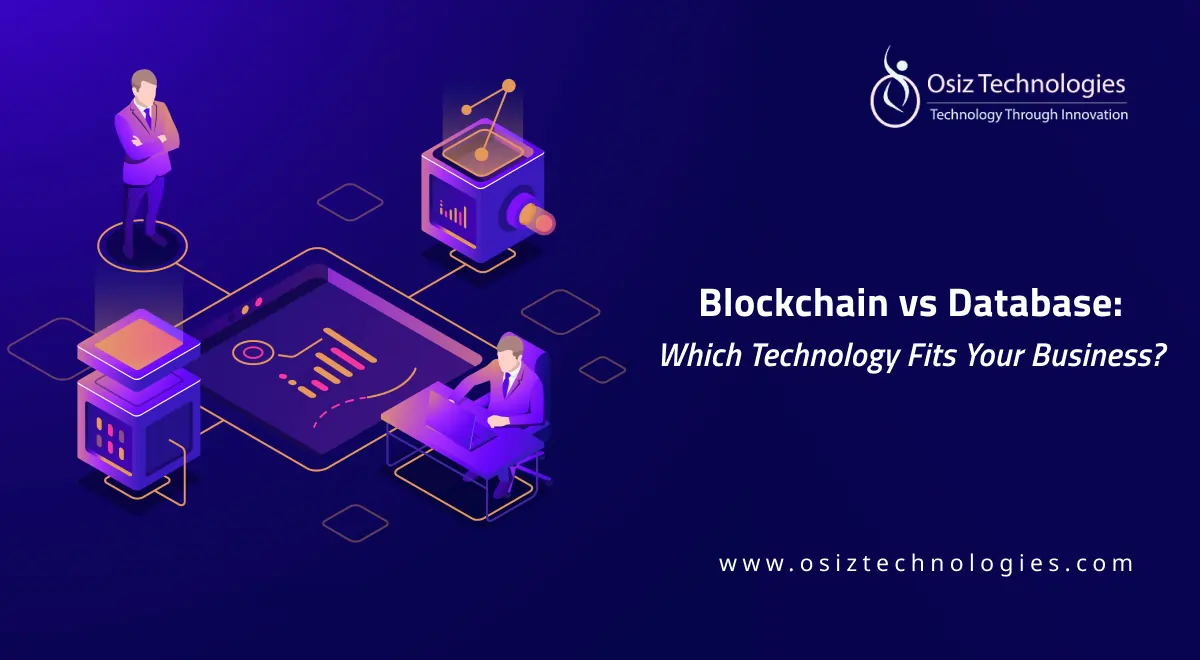
In the digital age, data management has become crucial for businesses of all sizes. The debate between blockchain and traditional databases has gained momentum as organizations strive for efficiency, security, and transparency. While both technologies serve the purpose of data storage and retrieval, they operate on fundamentally different principles. This article explores the differences between blockchain and traditional databases, their use cases, advantages, and when to opt for one over the other.
What is a Database?
A database is a structured collection of data that allows for efficient storage, retrieval, and management. Traditional databases, such as SQL databases, are centralized systems where data is controlled by a single entity. This centralization enables quick access and high transaction speeds, making them ideal for applications requiring rapid data processing.
Types of Traditional Databases
Traditional databases can be categorized into several types:
- Relational Databases: Use tables to store data and SQL for querying. Examples include MySQL and PostgreSQL.
- NoSQL Databases: Designed for unstructured data, these databases prioritize flexibility and scalability. Examples include MongoDB and Cassandra.
- In-Memory Databases: Store data in RAM for faster access. Redis is a popular example.
What is Blockchain?
Blockchain is a decentralized, distributed ledger technology that records transactions across multiple computers. Each block in the chain contains a number of transactions, and once a block is filled, it is cryptographically secured and linked to the previous block. This immutability ensures that once data is recorded, it cannot be altered without consensus from the network.
Key Features of Blockchain
Some defining features of blockchain include:
- Decentralization: Unlike traditional databases, blockchain does not rely on a central authority. This reduces the risk of a single point of failure.
- Immutability: Once data is added to the blockchain, it cannot be changed, enhancing data integrity.
- Transparency: All participants in the network can view the transactions, promoting trust among users.
Centralized vs Decentralized Databases
The primary distinction between traditional databases and blockchain lies in their architecture. Traditional databases are centralized, meaning a single entity has control over the data. In contrast, blockchain operates on a decentralized model, distributing control across multiple nodes. This decentralization offers several advantages, including enhanced security and resilience against attacks.
Advantages of Centralized Databases
Centralized databases have their own set of advantages:
- Performance: Centralized databases can handle thousands of transactions per second (TPS) with low latency, making them suitable for high-volume applications.
- Customizability: Organizations can tailor centralized databases to meet specific needs, including data models and access controls.
Blockchain vs Traditional Database: Key Differences
Understanding the differences between blockchain and traditional databases is crucial for making informed decisions. Here are some key distinctions:
- Control: Traditional databases are controlled by a single entity, while blockchain distributes control among participants.
- Immutability: Blockchain data is immutable, whereas traditional databases can be altered by authorized users.
- Speed: Centralized databases typically offer faster transaction speeds compared to blockchain.
- Security: Blockchain employs cryptographic techniques to secure data, making it more resistant to tampering.
When to Use Blockchain vs Database?
The choice between blockchain and traditional databases depends on the specific requirements of your application. Here are some considerations:
- Use Blockchain When: You need a tamper-proof record, require transparency among multiple parties, or want to eliminate intermediaries.
- Use Traditional Databases When: Speed and performance are paramount, or when you need to manage large volumes of structured data efficiently.
Blockchain Scalability Issues
While blockchain offers many advantages, it is not without its challenges. Scalability is a significant issue, as the decentralized nature of blockchain can lead to slower transaction speeds compared to centralized databases. Solutions like sharding and layer-2 protocols are being developed to address these challenges, but they are still evolving.
Performance Comparison
When comparing database performance with blockchain, traditional databases generally outperform blockchain in terms of TPS. However, the need for security and transparency in certain applications may justify the trade-off in speed.
Use Cases: Blockchain vs Database
Identifying the right use case is essential for leveraging the strengths of each technology. Here are some scenarios:
- Blockchain Use Cases: Cryptocurrencies, supply chain management, voting systems, and identity verification.
- Traditional Database Use Cases: E-commerce platforms, customer relationship management (CRM) systems, and enterprise resource planning (ERP) applications.
Advantages of Blockchain Over Database
Blockchain offers several advantages that can make it a better choice for certain applications:
- Enhanced Security: The cryptographic nature of blockchain makes it highly secure against unauthorized access.
- Transparency and Trust: All transactions are visible to participants, fostering trust and accountability.
- Reduced Costs: By eliminating intermediaries, blockchain can lower transaction costs.
Blockchain vs Database Security
Security is a critical concern for any data management system. Blockchain's decentralized nature and cryptographic techniques provide robust security features that traditional databases may lack. However, centralized databases can implement strong access controls and encryption to protect sensitive data.
Conclusion
In conclusion, both blockchain and traditional databases offer distinct advantages, and the right choice depends on the specific goals of your application. Blockchain is ideal for use cases that demand transparency, immutability, and decentralized control, while traditional databases are better suited for high-speed processing and flexible customization. By clearly understanding these differences, organizations can select the most effective data management approach for their needs. For expert insights and tailored solutions, connect with Osiz – a leading Blockchain Development Company at osiztechnologies.com.
Listen To The Article

Founder & CEO Osiz Technologies
Mr.Thangapandi, the founder and CEO of Osiz, is a pioneering figure in the field of blockchain technology. His deep understanding of both blockchain technology and user experience has led to the creation of innovative and successful blockchain solutions for businesses and startups, solidifying Osiz's reputation as a reliable service provider in the industry. Because of his unwavering quest for innovation, Mr.Thanga Pandi is well-positioned to be a thought leader and early adopter in the rapidly changing blockchain space. He keeps Osiz at the forefront of this exciting industry with his forward-thinking approach.
Recent Blogs



No 22,Astalakshmi Nagar, Thanakankullam, (Opp Seetha lakshmi Mill gate Bus stop) Thirunagar, Madurai - 625 006.
(Corporate Office)


Canada Office address, 1150, Rue Patrick, Laval, Quebec - H7Y 2C4, Canada.
(Sales Office)


Explore Our
AI Portfolio

 Artificial Intelligence
- AI Development
- AI Predictive Analytics Services
- AI SaaS Development
- RAG Development
- AI Assistant Development
- ChatGPT Development
- Data Analytics Services
- AI Copilot Development
- Adaptive AI Development
- Machine Learning Development
- NLP
- AI Consulting Services
- AI Software Builder
- AI Token Development
- AI Integration Services
- Enterprise AI Solution
- AI As a Service
- AI Marketing Tools
- AI Video Generator
- Computer Vision Services
- Explore AI
- Dataset
- Machine Learning in Healthcare
- Machine Learning in Retail
- Hire AI Engineers
- Hire Prompt Engineers
- Hire ChatGPT Developers
- Hire Stable Diffusion Developers
- Hire Action Transformer Developers
- Blockchain
- Blockchain Development
- Private Blockchain Development
- Smart Contract Development
- Custom Blockchain Development
- Solana Blockchain Development
- Polygon Blockchain Development
- Public Blockchain Development
- DAO Blockchain Development
- Binance Smart Chain (BSC) Blockchain Development
- DApp Development
- Solana DApp Development
- White Label Blockchain Solutions
- Custom Blockchain On Avalanche
- Custom Blockchain On Polygon
- Blockchain Game Development
- Blockchain Consulting Services
- Blockchain Explorer Development
- Ethereum Blockchain Development
- TRON Blockchain Development
- Prediction Market Platform Development Company
Layer 1 & 2 Solutions- Layer-1 Blockchain Development
- Cross Chain Bridge Development
- Data Availability Layer Development
- Ethereum Layer 2 Scaling Solutions
- Cross-L2 DEX Solution
- Layer 2 Token Development
- Layer 2 Token Marketing
- Layer 2 Cryptocurrency Development
- Layer 2 Solutions For Blockchain Games
- Layer 2 Solutions For Web3 Gaming
- Layer 2 Blockchain Solutions
- Rollups As A Service
- Optimistic Rollups Development
- ZK Tech Development
- Bitcoin Layer 2 Solutions
Crypto Exchange- Cryptocurrency Exchange Development
- White Label Crypto Exchange
- Decentralized Exchange Development
- P2P Exchange Development
- Crypto Derivatives Exchange Development
- Centralized Exchange Development
- Crypto Exchange Clone Script
- Cryptocurrency Exchange App Development
- OTC Exchange Development
- Exchange Listing Services
- Binance Like Exchange Development
- Bitstamp Like Exchange Development
- Crypto Exchange Script
CryptoCrypto WalletToken Standards- Token Development
- AI Token Development
- RWA Tokenization Development
- Coinremitter Clone Script
- Asset Tokenization
- Real Estate Tokenization
- Tokenization Platform Development
- Crypto ETF Development
- Solona Token Development
- Semi-Fungible Token Development
- BEP20 Token Development
- Ethereum Token Development
- ERC1400 Token Development
- ERC998 Token Development
- ERC 721 Token Development
- ERC20 Token Development
- Defi Token Development
- ERC1155 Token Development
- BEP721 Token Development
- Utility Token Development
- ERC 777 Token Development
- ERC 827 Token Development
- Social Token Development
- Metaverse Token Development
- Tron Token Development
- ERC404 Token Development
- Governance Token
- Shibarium Token
- polygon Token
- BRC-20
- TRC20 Token Development
- TRC10 Token Development
- Soulbound Token Development
- NFT Token Development
Trading BotsClone- Crypto Exchange Clone Script
- Binance Clone Script
- Metamask Clone Script
- Coinbase Clone Script
- Kucoin Clone Script
- Paxful Clone Script
- Remitano Clone Script
- Wazirx Clone Script
- ByBit Clone Script
- Bitfinex Clone Script
- MEXC Clone Script
- Bitget Clone Script
- Cointool App Clone Script
- Trust Wallet Clone App
- Coinmarketcap Clone Script
- Changelly Clone Script
- BingX Clone Script
CybersecurityApp SecurityDigital Forensics & Incident ResponseAudit & ConsultingEducation & TrainingSolutionsWeb 3DeFi- Decentralized Finance (DeFi) Development
- DeFi Lending/ Borrowing Platform Development
- DeFi Staking Platform Development
- DeFi Token Development
- DeFi Wallet Development
- DeFi Smart Contract Development
- DeFi DApp Development
- Decentralized Exchange Development
- DeFi Insurance Development
- DeFi Crypto Synthetic Assets Development
Game Development- Game Development
- Android Game Development
- IOS Game Development
- Metaverse Game Development
- VR Game Development
- AI Game Development
- Unity 3D Game Development
- Unreal Engine Game Development
- Mobile Game Development
- Blockchain Game Development
- NFT Game Development
- Play to Earn Game Development
- Move to Earn Game Development
- Casino Game Development
- Slot Game Development
- Poker Game Development
- AAA Game Development
- AR Game Development
- Social Network Game Development
- Gamification Services
- Decentralized Sports Betting Platform
- Sports Betting Dapp Development
- Blockchain Casino Game Development
- Game Asset Creation
- Baccarat Game Development
- Rollbit Clone Script
- Fortnite Clone Script
- Slot Game Development
- Tap to Earn Game Development
- Slot Game Development
Metaverse Platforms- Metaverse Game Development
- Metaverse Event Platform Development
- Metaverse Virtual Mall Development
- Metaverse NFT Marketplace Development
- Metaverse Token Development
- Metaverse Virtual Land Development
- Metaverse Avatar Development
- Metaverse 3d Space Development
- Metaverse Real Estate Development
- Metaverse Social Media Platform Development
- Top 10 Metaverse Development Company
- Metaverse Business Ideas
- Metaverse Launchpad Development
- Metaverse App Development
- Metaverse Casino Game Development
NFT SolutionsNFT Platforms- NFT Minting Development
- NFT Token Development
- NFT Exchange Platform Development
- NFT Launchpad Development
- NFT Fashion Marketplace Development
- NFT Art Marketplace Development
- NFT Music Marketplace Development
- Carbon Credits NFT Marketplace Development
- Binance NFT Marketplace Development
- Polygon NFT Marketplace Development
- Solana NFT Marketplace Development
- Influencers NFT Marketplace Development
- NFT Ticketing Marketplace Development
- DeFi NFT Marketplace Development
- NFT Fantasy Sports Platform Development
- NFT Storage Development
- NFT Lending Platform Development
- Top10 NFT Business Ideas
NFT Game ClonesSustainabilityServiceNow - Blog
- Contact Us
- Works