
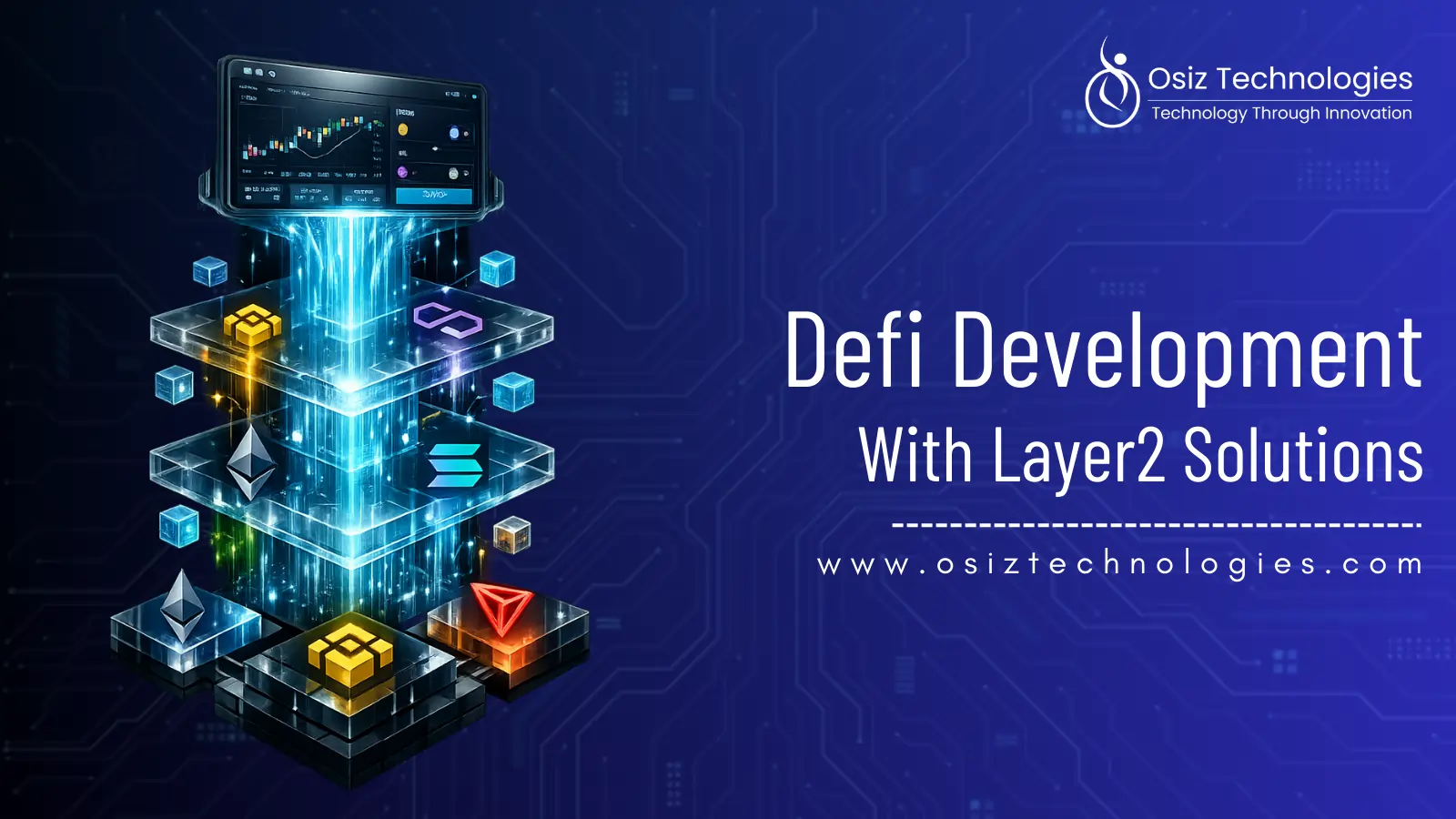
In the rapidly evolving world of decentralized finance (DeFi), the development of multi-chain layer-2 decentralized exchanges (DEX) has become a focal point for innovation and growth. These platforms offer enhanced scalability, reduced transaction costs, and improved user experiences, making them essential for the future of DeFi. In this article, we will explore advanced strategies for developing multi-chain layer-2 DEX platforms, examining their architecture, benefits, and the best practices for implementation.
Understanding Multi-Chain Layer-2 DEX
Multi-chain layer-2 DEX platforms are built on top of existing blockchain networks, leveraging their security while enhancing transaction speeds and reducing costs. By utilizing layer-2 solutions such as rollups or state channels, these exchanges can handle a higher volume of transactions without congesting the underlying blockchain. This architecture is essential for providing a seamless trading experience, especially as DeFi continues to attract more users.
The Importance of Scalability
Scalability is a critical factor in the success of any DeFi platform. As the number of users and transactions increases, DEX platforms must be able to accommodate this growth without sacrificing performance. Layer-2 solutions enable scalability by processing transactions off-chain and only settling final states on the main chain. This not only reduces latency but also minimizes gas fees, making trading more accessible to users.
Key Features of Multi-Chain Layer-2 DEX
When developing a multi-chain layer-2 DEX, several key features should be prioritized:
- Cross-Chain Trading: Allowing users to trade assets across different blockchains expands the market and enhances liquidity.
- Custom AMM or Order Book Logic: Implementing tailored algorithms can optimize trading strategies and improve user experience.
- Multichain Wallet Integration: Supporting various wallets ensures users can easily access their funds across multiple chains.
- Optimized Deployment: Deploying on layer-2 solutions or optimized layer-1s can significantly reduce gas fees and transaction times.
Security Considerations
Security is paramount in DeFi development. Multi-chain layer-2 DEX platforms must implement robust security measures to protect user funds and data. This includes smart contract audits, regular security assessments, and employing best practices for coding. Additionally, utilizing decentralized oracles can enhance the reliability of price feeds and other critical data.
Liquidity Management Strategies
Effective liquidity management is essential for the success of any DEX. Strategies such as incentivizing liquidity providers through rewards, implementing dynamic fee structures, and utilizing liquidity pools can enhance the trading experience. Moreover, integrating with existing liquidity protocols can provide additional depth to the market.
User Experience and Interface Design
A user-friendly interface is crucial for attracting and retaining users. The design should be intuitive, allowing users to navigate the platform easily. Features such as one-click trading, customizable dashboards, and educational resources can enhance the overall user experience, making it easier for newcomers to engage with DeFi.
Regulatory Compliance
As DeFi continues to grow, regulatory scrutiny is increasing. Developers must stay informed about the evolving regulatory landscape and ensure compliance with relevant laws. This includes implementing KYC/AML processes, data protection measures, and transparent governance structures.
Case Studies of Successful Multi-Chain Layer-2 DEX
Examining successful multi-chain layer-2 DEX platforms can provide valuable insights into effective strategies. For instance, platforms that have successfully integrated cross-chain functionality have seen significant increases in user engagement and trading volume. Analyzing their approaches can help inform best practices for new developments.
Future Trends in DeFi Development
The DeFi landscape is constantly evolving, with new technologies and trends emerging regularly. Staying ahead of these trends is crucial for developers. Innovations such as layer-3 solutions, increased interoperability, and enhanced privacy features are expected to shape the future of multi-chain layer-2 DEX platforms.
Conclusion: Embracing the Future of DeFi
As the DeFi ecosystem evolves, adopting advanced development strategies for multi-chain layer-2 DEX platforms has become crucial. By prioritizing scalability, strong security measures, seamless user experiences, and regulatory readiness, businesses can build resilient platforms that serve the demands of a more advanced user community. Osiz, a leading Defi Development Company, supports enterprises with end-to-end DeFi solutions, helping them design, develop, and launch powerful multi-chain platforms tailored for long-term growth. Connect with our experts to accelerate your DeFi development journey.
Listen To The Article

Founder & CEO Osiz Technologies
Mr. Thangapandi, the CEO of Osiz, has a proven track record of conceptualizing and architecting 100+ user-centric and scalable solutions for startups and enterprises. He brings a deep understanding of both technical and user experience aspects. The CEO, being an early adopter of new technology, said, \"I believe in the transformative power of AI to revolutionize industries and improve lives. My goal is to integrate AI in ways that not only enhance operational efficiency but also drive sustainable development and innovation.\" Proving his commitment, Mr. Thangapandi has built a dedicated team of AI experts proficient in coming up with innovative AI solutions and have successfully completed several AI projects across diverse sectors.
Recent Blogs





No 22,Astalakshmi Nagar, Thanakankullam, (Opp Seetha lakshmi Mill gate Bus stop) Thirunagar, Madurai - 625 006.
(Corporate Office)


Canada Office address, 1150, Rue Patrick, Laval, Quebec - H7Y 2C4, Canada.
(Sales Office)



Explore Our
AI Portfolio

 Artificial Intelligence
- AI Development
- AI Predictive Analytics Services
- AI SaaS Development
- RAG Development
- AI Assistant Development
- ChatGPT Development
- Data Analytics Services
- AI Copilot Development
- Adaptive AI Development
- Machine Learning Development
- NLP
- AI Consulting Services
- AI Software Builder
- AI Token Development
- AI Integration Services
- Enterprise AI Solution
- AI As a Service
- AI Marketing Tools
- AI Video Generator
- Computer Vision Services
- Explore AI
- Dataset
- Machine Learning in Healthcare
- Machine Learning in Retail
- Hire AI Engineers
- Hire Prompt Engineers
- Hire ChatGPT Developers
- Hire Stable Diffusion Developers
- Hire Action Transformer Developers
- Blockchain
- Blockchain Development
- Private Blockchain Development
- Smart Contract Development
- Custom Blockchain Development
- Solana Blockchain Development
- Polygon Blockchain Development
- Public Blockchain Development
- DAO Blockchain Development
- Binance Smart Chain (BSC) Blockchain Development
- DApp Development
- Solana DApp Development
- White Label Blockchain Solutions
- Custom Blockchain On Avalanche
- Custom Blockchain On Polygon
- Blockchain Game Development
- Blockchain Consulting Services
- Blockchain Explorer Development
- Ethereum Blockchain Development
- TRON Blockchain Development
- Prediction Market Platform Development Company
Layer 1 & 2 Solutions- Layer-1 Blockchain Development
- Cross Chain Bridge Development
- Data Availability Layer Development
- Ethereum Layer 2 Scaling Solutions
- Cross-L2 DEX Solution
- Layer 2 Token Development
- Layer 2 Token Marketing
- Layer 2 Cryptocurrency Development
- Layer 2 Solutions For Blockchain Games
- Layer 2 Solutions For Web3 Gaming
- Layer 2 Blockchain Solutions
- Rollups As A Service
- Optimistic Rollups Development
- ZK Tech Development
- Bitcoin Layer 2 Solutions
Crypto Exchange- Cryptocurrency Exchange Development
- White Label Crypto Exchange
- Decentralized Exchange Development
- P2P Exchange Development
- Crypto Derivatives Exchange Development
- Centralized Exchange Development
- Crypto Exchange Clone Script
- Cryptocurrency Exchange App Development
- OTC Exchange Development
- Exchange Listing Services
- Binance Like Exchange Development
- Bitstamp Like Exchange Development
- Crypto Exchange Script
CryptoCrypto WalletToken Standards- Token Development
- AI Token Development
- RWA Tokenization Development
- Coinremitter Clone Script
- Asset Tokenization
- Real Estate Tokenization
- Tokenization Platform Development
- Crypto ETF Development
- Solona Token Development
- Semi-Fungible Token Development
- BEP20 Token Development
- Ethereum Token Development
- ERC1400 Token Development
- ERC998 Token Development
- ERC 721 Token Development
- ERC20 Token Development
- Defi Token Development
- ERC1155 Token Development
- BEP721 Token Development
- Utility Token Development
- ERC 777 Token Development
- ERC 827 Token Development
- Social Token Development
- Metaverse Token Development
- Tron Token Development
- ERC404 Token Development
- Governance Token
- Shibarium Token
- polygon Token
- BRC-20
- TRC20 Token Development
- TRC10 Token Development
- Soulbound Token Development
- NFT Token Development
Trading BotsClone- Crypto Exchange Clone Script
- Binance Clone Script
- Metamask Clone Script
- Coinbase Clone Script
- Kucoin Clone Script
- Paxful Clone Script
- Remitano Clone Script
- Wazirx Clone Script
- ByBit Clone Script
- Bitfinex Clone Script
- MEXC Clone Script
- Bitget Clone Script
- Cointool App Clone Script
- Trust Wallet Clone App
- Coinmarketcap Clone Script
- Changelly Clone Script
- BingX Clone Script
CybersecurityApp SecurityDigital Forensics & Incident ResponseAudit & ConsultingEducation & TrainingSolutionsWeb 3DeFi- Decentralized Finance (DeFi) Development
- DeFi Lending/ Borrowing Platform Development
- DeFi Staking Platform Development
- DeFi Token Development
- DeFi Wallet Development
- DeFi Smart Contract Development
- DeFi DApp Development
- Decentralized Exchange Development
- DeFi Insurance Development
- DeFi Crypto Synthetic Assets Development
Game Development- Game Development
- Android Game Development
- IOS Game Development
- Metaverse Game Development
- VR Game Development
- AI Game Development
- Unity 3D Game Development
- Unreal Engine Game Development
- Mobile Game Development
- Blockchain Game Development
- NFT Game Development
- Play to Earn Game Development
- Move to Earn Game Development
- Casino Game Development
- Slot Game Development
- Poker Game Development
- AAA Game Development
- AR Game Development
- Social Network Game Development
- Gamification Services
- Decentralized Sports Betting Platform
- Sports Betting Dapp Development
- Blockchain Casino Game Development
- Game Asset Creation
- Baccarat Game Development
- Rollbit Clone Script
- Fortnite Clone Script
- Slot Game Development
- Tap to Earn Game Development
- Slot Game Development
Metaverse Platforms- Metaverse Game Development
- Metaverse Event Platform Development
- Metaverse Virtual Mall Development
- Metaverse NFT Marketplace Development
- Metaverse Token Development
- Metaverse Virtual Land Development
- Metaverse Avatar Development
- Metaverse 3d Space Development
- Metaverse Real Estate Development
- Metaverse Social Media Platform Development
- Top 10 Metaverse Development Company
- Metaverse Business Ideas
- Metaverse Launchpad Development
- Metaverse App Development
- Metaverse Casino Game Development
NFT SolutionsNFT Platforms- NFT Minting Development
- NFT Token Development
- NFT Exchange Platform Development
- NFT Launchpad Development
- NFT Fashion Marketplace Development
- NFT Art Marketplace Development
- NFT Music Marketplace Development
- Carbon Credits NFT Marketplace Development
- Binance NFT Marketplace Development
- Polygon NFT Marketplace Development
- Solana NFT Marketplace Development
- Influencers NFT Marketplace Development
- NFT Ticketing Marketplace Development
- DeFi NFT Marketplace Development
- NFT Fantasy Sports Platform Development
- NFT Storage Development
- NFT Lending Platform Development
- Top10 NFT Business Ideas
NFT Game ClonesSustainabilityServiceNow - Blog
- Contact Us
- Works