
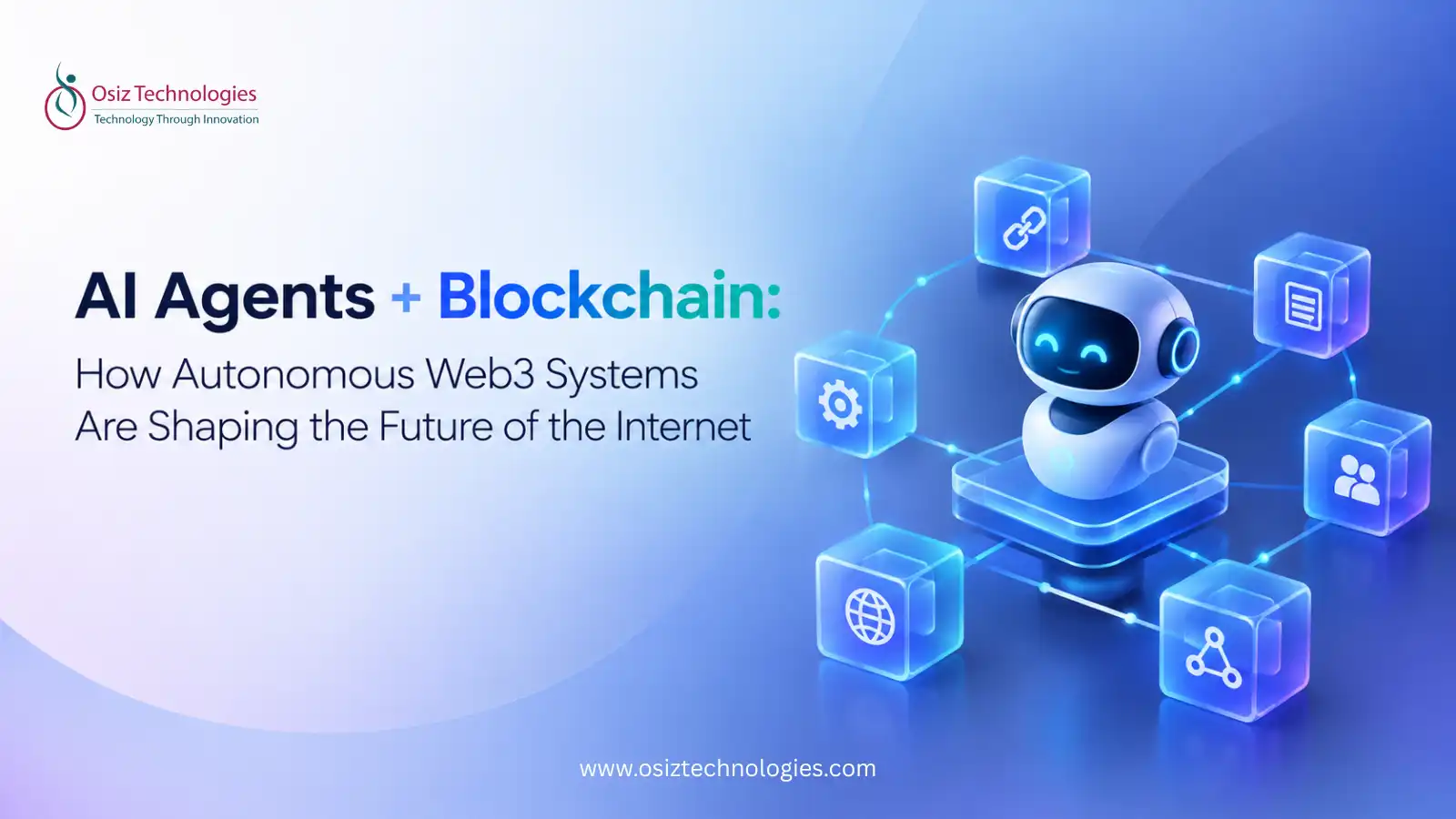
The convergence of AI agents and blockchain technology is revolutionizing the digital landscape, creating autonomous Web3 systems that promise to reshape the future of the internet. This article delves into how these technologies are intertwined, exploring their implications for decentralized applications, smart contracts, and the broader internet ecosystem. From understanding the fundamental concepts to examining real-world use cases, we will navigate through the transformative potential of AI and blockchain, providing insights into their future trajectory.
Understanding AI Agents and Blockchain
AI agents are software programs that use artificial intelligence to perform tasks autonomously. They can analyze data, make decisions, and even learn from their experiences. Blockchain, on the other hand, is a decentralized ledger technology that ensures transparency and security in transactions. Together, these technologies form the backbone of autonomous Web3 systems, enabling applications that are not only efficient but also trustworthy.
The Rise of Autonomous Web3 Systems
Web3 represents the next evolution of the internet, emphasizing decentralization and user empowerment. Autonomous systems powered by AI and blockchain can operate without human intervention, allowing for seamless interactions and transactions. This shift is significant as it enables users to engage with digital assets and services in a more secure and efficient manner.
Key Features of Autonomous Systems
Decentralization: No single entity controls the network, reducing the risk of fraud.
Transparency: All transactions are recorded on the blockchain, ensuring accountability.
Efficiency: AI agents can process information and execute transactions faster than humans.
Impact of AI on Blockchain Technology
The integration of AI into blockchain technology enhances its capabilities. AI can analyze vast amounts of data to identify patterns and trends, which can inform decision-making processes within blockchain networks. This synergy leads to smarter contracts and improved security measures.
AI-Driven Smart Contracts
Smart contracts are self-executing contracts with the terms of the agreement directly written into code. By incorporating AI, these contracts can adapt to changing conditions and execute actions based on real-time data. This adaptability makes them more robust and applicable in various industries, from finance to supply chain management.
Decentralized AI Applications
Decentralized AI applications leverage blockchain to ensure that data and algorithms are not controlled by a single entity. This democratization of AI fosters innovation and encourages collaboration among developers. Projects like SingularityNET are pioneering this approach, allowing developers to create and monetize AI services on a decentralized platform.
Blockchain Technology Trends in 2026
As we progress through 2026, several trends are emerging in the blockchain space:
Increased Interoperability: Different blockchain networks are beginning to communicate with one another, enhancing functionality.
Focus on Sustainability: More projects are prioritizing eco-friendly practices in blockchain operations.
Integration with IoT: Blockchain is being used to secure data from IoT devices, ensuring integrity and trust.
AI Ethics in Blockchain
As AI agents become more prevalent in blockchain applications, ethical considerations must be addressed. Issues such as data privacy, algorithmic bias, and accountability are paramount. Establishing ethical frameworks will be essential to ensure that these technologies are used responsibly.
Best Practices for Ethical AI in Blockchain
Transparency: Clearly communicate how AI algorithms operate and make decisions.
Accountability: Ensure that there are mechanisms in place to address any potential harm caused by AI actions.
Inclusivity: Involve diverse stakeholders in the development of AI systems to minimize bias.
Investing in Blockchain AI
For investors, the intersection of AI and blockchain presents unique opportunities. Companies developing AI-driven blockchain solutions are gaining traction, and understanding these technologies can provide a competitive edge. Investors should look for projects that emphasize transparency, ethical practices, and innovative applications.
AI Agents for Digital Assets
AI agents can significantly enhance the management of digital assets, including cryptocurrencies and NFTs. By analyzing market trends and user behavior, these agents can optimize trading strategies and asset allocation, leading to improved returns.
Case Study: AI in Cryptocurrency Trading
Many trading platforms now utilize AI algorithms to predict market movements. For instance, platforms like Numerai leverage AI to crowdsource predictions for stock market performance, rewarding users for accurate forecasts. This model exemplifies how AI can enhance decision-making in financial markets.
The Future of Decentralized Internet
The future of the decentralized internet hinges on the successful integration of AI and blockchain technologies. As these systems evolve, they promise to create a more equitable digital landscape where users have greater control over their data and online interactions.
Conclusion: Embracing the Future
The convergence of AI agents and blockchain technology is reshaping the digital world by enabling smarter, autonomous, and more secure online interactions. This powerful combination is opening new opportunities for businesses to automate processes, enhance transparency, and build next-generation decentralized applications. Partnering with a trusted Blockchain Development Company helps organizations leverage these innovations to create scalable, future-ready solutions that drive long-term growth. As AI and blockchain continue to evolve, now is the ideal time to explore their full potential with platforms like Osiz Technologies.
Listen To The Article

Founder & CEO Osiz Technologies
Mr.Thangapandi, the founder and CEO of Osiz, is a pioneering figure in the field of blockchain technology. His deep understanding of both blockchain technology and user experience has led to the creation of innovative and successful blockchain solutions for businesses and startups, solidifying Osiz's reputation as a reliable service provider in the industry. Because of his unwavering quest for innovation, Mr.Thanga Pandi is well-positioned to be a thought leader and early adopter in the rapidly changing blockchain space. He keeps Osiz at the forefront of this exciting industry with his forward-thinking approach.
Recent Blogs



No 22,Astalakshmi Nagar, Thanakankullam, (Opp Seetha lakshmi Mill gate Bus stop) Thirunagar, Madurai - 625 006.
(Corporate Office)


Canada Office address, 1150, Rue Patrick, Laval, Quebec - H7Y 2C4, Canada.
(Sales Office)


Meydan Grandstand, 6th floor, Meydan Road, Nad Al Sheba, Dubai, U.A.E.
(Sales Office)


Halloween
Offers

 Artificial Intelligence
- AI Development
- AI Predictive Analytics Services
- AI SaaS Development
- RAG Development
- AI Assistant Development
- ChatGPT Development
- Data Analytics Services
- AI Copilot Development
- Adaptive AI Development
- Machine Learning Development
- NLP
- AI Consulting Services
- AI Software Builder
- AI Token Development
- AI Integration Services
- AI Agent Bots
- Enterprise AI Solution
- AI As a Service
- AI Marketing Tools
- AI Video Generator
- Computer Vision Services
- Explore AI
- Dataset
- Machine Learning in Healthcare
- Machine Learning in Retail
- Hire AI Engineers
- Hire Prompt Engineers
- Hire ChatGPT Developers
- Hire Stable Diffusion Developers
- Hire Action Transformer Developers
- Blockchain
- Blockchain Development
- Private Blockchain Development
- Smart Contract Development
- Custom Blockchain Development
- Solana Blockchain Development
- Polygon Blockchain Development
- Public Blockchain Development
- DAO Blockchain Development
- Binance Smart Chain (BSC) Blockchain Development
- DApp Development
- Solana DApp Development
- White Label Blockchain Solutions
- Custom Blockchain On Avalanche
- Custom Blockchain On Polygon
- Blockchain Game Development
- Blockchain Consulting Services
- Blockchain Explorer Development
- Ethereum Blockchain Development
- TRON Blockchain Development
- Prediction Market Platform Development Company
Layer 1 & 2 Solutions- Layer-1 Blockchain Development
- Cross Chain Bridge Development
- Data Availability Layer Development
- Ethereum Layer 2 Scaling Solutions
- Cross-L2 DEX Solution
- Layer 2 Token Development
- Layer 2 Token Marketing
- Layer 2 Cryptocurrency Development
- Layer 2 Solutions For Blockchain Games
- Layer 2 Solutions For Web3 Gaming
- Layer 2 Blockchain Solutions
- Rollups As A Service
- Optimistic Rollups Development
- ZK Tech Development
- Bitcoin Layer 2 Solutions
Crypto Exchange- Cryptocurrency Exchange Development
- White Label Crypto Exchange
- Decentralized Exchange Development
- P2P Exchange Development
- Crypto Derivatives Exchange Development
- Centralized Exchange Development
- Crypto Exchange Clone Script
- Cryptocurrency Exchange App Development
- OTC Exchange Development
- Exchange Listing Services
- Binance Like Exchange Development
- Bitstamp Like Exchange Development
- Crypto Exchange Script
CryptoCrypto WalletToken Standards- Token Development
- AI Token Development
- RWA Tokenization Development
- Coinremitter Clone Script
- Asset Tokenization
- Real Estate Tokenization
- Tokenization Platform Development
- Crypto ETF Development
- Solona Token Development
- Semi-Fungible Token Development
- BEP20 Token Development
- Ethereum Token Development
- ERC1400 Token Development
- ERC998 Token Development
- ERC 721 Token Development
- ERC20 Token Development
- Defi Token Development
- ERC1155 Token Development
- BEP721 Token Development
- Utility Token Development
- ERC 777 Token Development
- ERC 827 Token Development
- Social Token Development
- Metaverse Token Development
- Tron Token Development
- ERC404 Token Development
- Governance Token
- Shibarium Token
- polygon Token
- BRC-20
- TRC20 Token Development
- TRC10 Token Development
- Soulbound Token Development
- NFT Token Development
Trading BotsClone- Crypto Exchange Clone Script
- Binance Clone Script
- Metamask Clone Script
- Coinbase Clone Script
- Kucoin Clone Script
- Paxful Clone Script
- Remitano Clone Script
- Wazirx Clone Script
- ByBit Clone Script
- Bitfinex Clone Script
- MEXC Clone Script
- Bitget Clone Script
- Cointool App Clone Script
- Trust Wallet Clone App
- Coinmarketcap Clone Script
- Changelly Clone Script
- BingX Clone Script
CybersecurityApp SecurityDigital Forensics & Incident ResponseAudit & ConsultingEducation & TrainingSolutionsWeb 3DeFi- Decentralized Finance (DeFi) Development
- DeFi Lending/ Borrowing Platform Development
- DeFi Staking Platform Development
- DeFi Token Development
- DeFi Wallet Development
- DeFi Smart Contract Development
- DeFi DApp Development
- Decentralized Exchange Development
- DeFi Insurance Development
- DeFi Crypto Synthetic Assets Development
Game Development- Game Development
- Android Game Development
- IOS Game Development
- Metaverse Game Development
- VR Game Development
- AI Game Development
- Unity 3D Game Development
- Unreal Engine Game Development
- Mobile Game Development
- Blockchain Game Development
- NFT Game Development
- Play to Earn Game Development
- Move to Earn Game Development
- Casino Game Development
- Slot Game Development
- Poker Game Development
- AAA Game Development
- AR Game Development
- Social Network Game Development
- Gamification Services
- Decentralized Sports Betting Platform
- Sports Betting Dapp Development
- Blockchain Casino Game Development
- Game Asset Creation
- Baccarat Game Development
- Rollbit Clone Script
- Fortnite Clone Script
- Slot Game Development
- Tap to Earn Game Development
- Slot Game Development
Metaverse Platforms- Metaverse Game Development
- Metaverse Event Platform Development
- Metaverse Virtual Mall Development
- Metaverse NFT Marketplace Development
- Metaverse Token Development
- Metaverse Virtual Land Development
- Metaverse Avatar Development
- Metaverse 3d Space Development
- Metaverse Real Estate Development
- Metaverse Social Media Platform Development
- Top 10 Metaverse Development Company
- Metaverse Business Ideas
- Metaverse Launchpad Development
- Metaverse App Development
- Metaverse Casino Game Development
NFT SolutionsNFT Platforms- NFT Minting Development
- NFT Token Development
- NFT Exchange Platform Development
- NFT Launchpad Development
- NFT Fashion Marketplace Development
- NFT Art Marketplace Development
- NFT Music Marketplace Development
- Carbon Credits NFT Marketplace Development
- Binance NFT Marketplace Development
- Polygon NFT Marketplace Development
- Solana NFT Marketplace Development
- Influencers NFT Marketplace Development
- NFT Ticketing Marketplace Development
- DeFi NFT Marketplace Development
- NFT Fantasy Sports Platform Development
- NFT Storage Development
- NFT Lending Platform Development
- Top10 NFT Business Ideas
NFT Game ClonesSustainabilityServiceNow - Blog
- Contact Us
- Works