
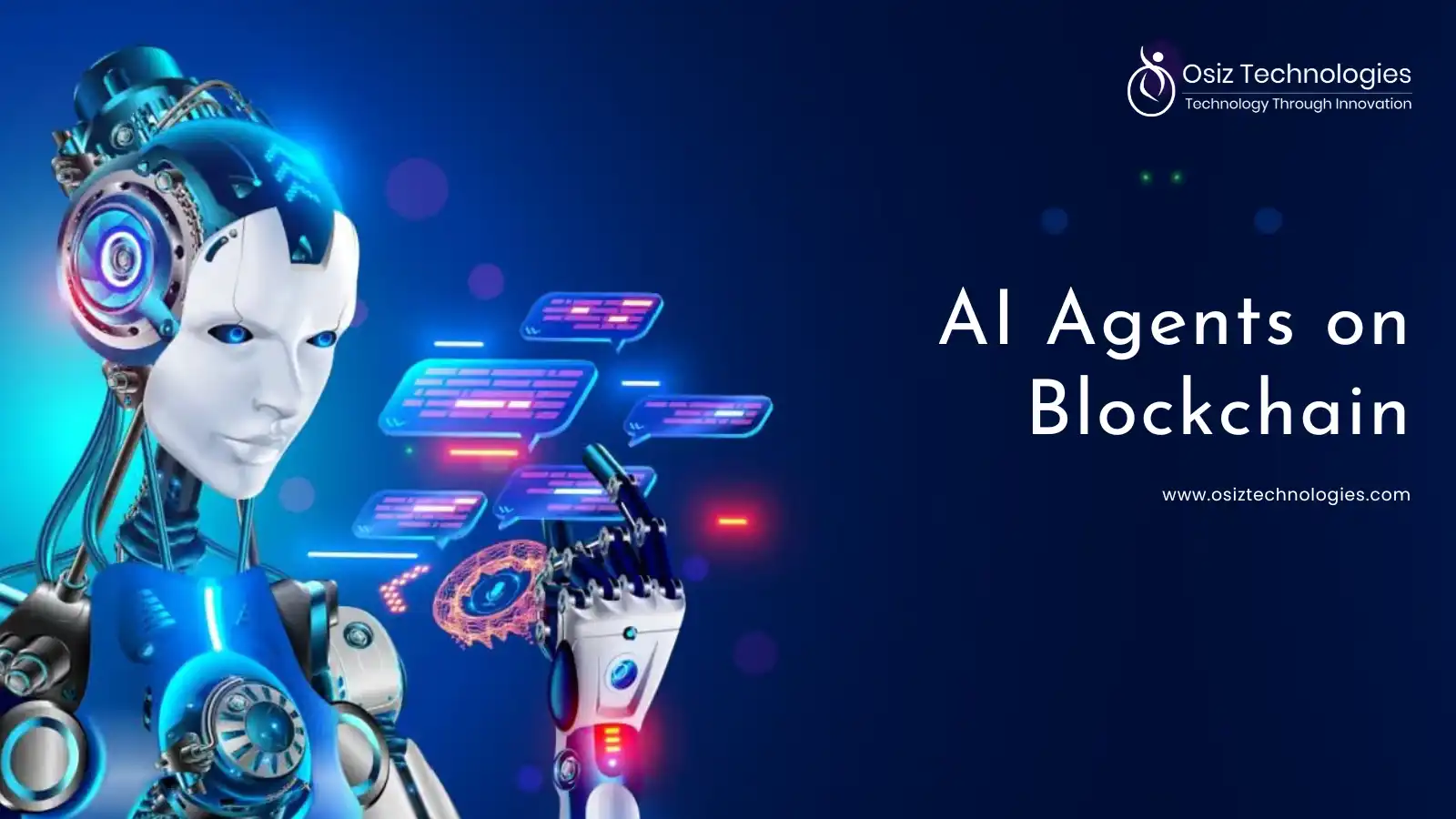
As the digital landscape evolves, the intersection of artificial intelligence (AI) and blockchain technology is reshaping how we think about decentralized systems. AI agents on the blockchain represent a new frontier in building autonomous Web3 systems, allowing for innovative applications that enhance efficiency, security, and user experience. This guide will explore the essentials of integrating AI with blockchain, the tools required for development, and the future trends shaping this exciting field.
Understanding AI Agents in Blockchain
AI agents are software entities that can perform tasks autonomously, making decisions based on data analysis and learned experiences. In blockchain ecosystems, these agents can interact with smart contracts, execute transactions, and even manage decentralized finance (DeFi) protocols. By leveraging AI, developers can create systems that are not only more efficient but also capable of adapting to changing conditions in real-time. For a deeper dive into how AI agents function within blockchain, check out Understanding AI Agents in Blockchain.
Building Autonomous Web3 Systems
Creating autonomous systems in Web3 involves leveraging decentralized technologies to ensure transparency, security, and user control. Developers must consider various factors, including the choice of blockchain, the design of smart contracts, and the integration of AI capabilities. A comprehensive guide on developing decentralized applications can be found in Building Web3: A Comprehensive Guide.
Choosing the Right Blockchain
The first step in building autonomous systems is selecting the appropriate blockchain platform. Factors such as scalability, transaction speed, and community support play a crucial role. Popular options include Ethereum, Binance Smart Chain, and Polkadot, each offering unique advantages for AI integration.
Smart Contracts for AI Agents
Smart contracts are self-executing contracts with the terms of the agreement directly written into code. They are essential for enabling AI agents to operate autonomously. Developers must ensure that these contracts are robust and secure, as vulnerabilities can lead to significant risks. Incorporating AI-driven decision-making within smart contracts can enhance their functionality, making them more adaptable and efficient.
Decentralized AI Applications
Decentralized AI applications (dApps) are at the forefront of the AI and blockchain integration movement. These applications harness the power of AI to automate processes, analyze data, and provide insights without relying on centralized control. Examples include AI-based trading platforms, predictive analytics tools, and autonomous agents for customer service.
AI-Driven Decentralized Finance
Decentralized finance (DeFi) is one of the most promising areas for AI integration. AI agents can optimize trading strategies, manage liquidity pools, and even assess credit risk in real-time. By automating these processes, organizations can achieve higher efficiency and reduce operational costs.
Web3 Technology Trends
The landscape of Web3 technology is rapidly evolving, with several trends shaping its future. Key trends include:
Interoperability: Seamless interaction between different blockchain networks is becoming increasingly important.
Scalability Solutions: Solutions like Layer 2 protocols are being developed to enhance transaction speeds and reduce costs.
AI Ethics in Blockchain: As AI becomes more integrated into blockchain, ethical considerations regarding data privacy and decision-making must be addressed.
Blockchain Development Tools
To build effective AI agents on the blockchain, developers need access to a variety of tools. Popular blockchain development frameworks include:
Truffle: A development environment and testing framework for Ethereum.
Hardhat: A flexible Ethereum development framework that allows for easy debugging and testing.
OpenZeppelin: A library of secure smart contracts that can be utilized for building decentralized applications.
AI Agents for Smart Contracts
Integrating AI agents with smart contracts can lead to more dynamic and responsive applications. For instance, AI can analyze market conditions and automatically adjust contract terms based on predefined criteria. This capability not only enhances user experience but also opens up new possibilities for innovation.
Decentralized Autonomous Organizations (DAOs)
DAOs are organizations governed by smart contracts, allowing for decentralized decision-making. AI agents can play a crucial role in these organizations by providing data-driven insights and automating governance processes. This integration can lead to more efficient operations and better resource allocation.
The Future of AI in Blockchain
The potential for AI and blockchain integration is vast, with numerous applications on the horizon. As technology continues to advance, we can expect to see more sophisticated AI agents capable of performing complex tasks and making autonomous decisions. This evolution will not only enhance the functionality of decentralized systems but also drive innovation across various industries.
Conclusion: Embracing the Future
As the world moves toward a decentralized digital future, the convergence of AI agents and blockchain technology is set to power the next generation of autonomous Web3 systems. Businesses that embrace these innovations can unlock intelligent automation, enhanced security, and scalable decentralized applications. Partnering with an experienced Blockchain Development Company enables organizations to build future-ready Web3 solutions that leverage the combined strengths of AI and blockchain while addressing evolving technological and ethical challenges. To explore how these technologies can transform your business, connect with Osiz Technologies and start building the future of decentralized innovation.
Listen To The Article

Founder & CEO Osiz Technologies
Mr.Thangapandi, the founder and CEO of Osiz, is a pioneering figure in the field of blockchain technology. His deep understanding of both blockchain technology and user experience has led to the creation of innovative and successful blockchain solutions for businesses and startups, solidifying Osiz's reputation as a reliable service provider in the industry. Because of his unwavering quest for innovation, Mr.Thanga Pandi is well-positioned to be a thought leader and early adopter in the rapidly changing blockchain space. He keeps Osiz at the forefront of this exciting industry with his forward-thinking approach.
Recent Blogs



No 22,Astalakshmi Nagar, Thanakankullam, (Opp Seetha lakshmi Mill gate Bus stop) Thirunagar, Madurai - 625 006.
(Corporate Office)


Canada Office address, 1150, Rue Patrick, Laval, Quebec - H7Y 2C4, Canada.
(Sales Office)


Meydan Grandstand, 6th floor, Meydan Road, Nad Al Sheba, Dubai, U.A.E.
(Sales Office)


Halloween
Offers

 Artificial Intelligence
- AI Development
- AI Predictive Analytics Services
- AI SaaS Development
- RAG Development
- AI Assistant Development
- ChatGPT Development
- Data Analytics Services
- AI Copilot Development
- Adaptive AI Development
- Machine Learning Development
- NLP
- AI Consulting Services
- AI Software Builder
- AI Token Development
- AI Integration Services
- AI Agent Bots
- Enterprise AI Solution
- AI As a Service
- AI Marketing Tools
- AI Video Generator
- Computer Vision Services
- Explore AI
- Dataset
- Machine Learning in Healthcare
- Machine Learning in Retail
- Hire AI Engineers
- Hire Prompt Engineers
- Hire ChatGPT Developers
- Hire Stable Diffusion Developers
- Hire Action Transformer Developers
- Blockchain
- Blockchain Development
- Private Blockchain Development
- Smart Contract Development
- Custom Blockchain Development
- Solana Blockchain Development
- Polygon Blockchain Development
- Public Blockchain Development
- DAO Blockchain Development
- Binance Smart Chain (BSC) Blockchain Development
- DApp Development
- Solana DApp Development
- White Label Blockchain Solutions
- Custom Blockchain On Avalanche
- Custom Blockchain On Polygon
- Blockchain Game Development
- Blockchain Consulting Services
- Blockchain Explorer Development
- Ethereum Blockchain Development
- TRON Blockchain Development
- Prediction Market Platform Development Company
Layer 1 & 2 Solutions- Layer-1 Blockchain Development
- Cross Chain Bridge Development
- Data Availability Layer Development
- Ethereum Layer 2 Scaling Solutions
- Cross-L2 DEX Solution
- Layer 2 Token Development
- Layer 2 Token Marketing
- Layer 2 Cryptocurrency Development
- Layer 2 Solutions For Blockchain Games
- Layer 2 Solutions For Web3 Gaming
- Layer 2 Blockchain Solutions
- Rollups As A Service
- Optimistic Rollups Development
- ZK Tech Development
- Bitcoin Layer 2 Solutions
Crypto Exchange- Cryptocurrency Exchange Development
- White Label Crypto Exchange
- Decentralized Exchange Development
- P2P Exchange Development
- Crypto Derivatives Exchange Development
- Centralized Exchange Development
- Crypto Exchange Clone Script
- Cryptocurrency Exchange App Development
- OTC Exchange Development
- Exchange Listing Services
- Binance Like Exchange Development
- Bitstamp Like Exchange Development
- Crypto Exchange Script
CryptoCrypto WalletToken Standards- Token Development
- AI Token Development
- RWA Tokenization Development
- Coinremitter Clone Script
- Asset Tokenization
- Real Estate Tokenization
- Tokenization Platform Development
- Crypto ETF Development
- Solona Token Development
- Semi-Fungible Token Development
- BEP20 Token Development
- Ethereum Token Development
- ERC1400 Token Development
- ERC998 Token Development
- ERC 721 Token Development
- ERC20 Token Development
- Defi Token Development
- ERC1155 Token Development
- BEP721 Token Development
- Utility Token Development
- ERC 777 Token Development
- ERC 827 Token Development
- Social Token Development
- Metaverse Token Development
- Tron Token Development
- ERC404 Token Development
- Governance Token
- Shibarium Token
- polygon Token
- BRC-20
- TRC20 Token Development
- TRC10 Token Development
- Soulbound Token Development
- NFT Token Development
Trading BotsClone- Crypto Exchange Clone Script
- Binance Clone Script
- Metamask Clone Script
- Coinbase Clone Script
- Kucoin Clone Script
- Paxful Clone Script
- Remitano Clone Script
- Wazirx Clone Script
- ByBit Clone Script
- Bitfinex Clone Script
- MEXC Clone Script
- Bitget Clone Script
- Cointool App Clone Script
- Trust Wallet Clone App
- Coinmarketcap Clone Script
- Changelly Clone Script
- BingX Clone Script
CybersecurityApp SecurityDigital Forensics & Incident ResponseAudit & ConsultingEducation & TrainingSolutionsWeb 3DeFi- Decentralized Finance (DeFi) Development
- DeFi Lending/ Borrowing Platform Development
- DeFi Staking Platform Development
- DeFi Token Development
- DeFi Wallet Development
- DeFi Smart Contract Development
- DeFi DApp Development
- Decentralized Exchange Development
- DeFi Insurance Development
- DeFi Crypto Synthetic Assets Development
Game Development- Game Development
- Android Game Development
- IOS Game Development
- Metaverse Game Development
- VR Game Development
- AI Game Development
- Unity 3D Game Development
- Unreal Engine Game Development
- Mobile Game Development
- Blockchain Game Development
- NFT Game Development
- Play to Earn Game Development
- Move to Earn Game Development
- Casino Game Development
- Slot Game Development
- Poker Game Development
- AAA Game Development
- AR Game Development
- Social Network Game Development
- Gamification Services
- Decentralized Sports Betting Platform
- Sports Betting Dapp Development
- Blockchain Casino Game Development
- Game Asset Creation
- Baccarat Game Development
- Rollbit Clone Script
- Fortnite Clone Script
- Slot Game Development
- Tap to Earn Game Development
- Slot Game Development
Metaverse Platforms- Metaverse Game Development
- Metaverse Event Platform Development
- Metaverse Virtual Mall Development
- Metaverse NFT Marketplace Development
- Metaverse Token Development
- Metaverse Virtual Land Development
- Metaverse Avatar Development
- Metaverse 3d Space Development
- Metaverse Real Estate Development
- Metaverse Social Media Platform Development
- Top 10 Metaverse Development Company
- Metaverse Business Ideas
- Metaverse Launchpad Development
- Metaverse App Development
- Metaverse Casino Game Development
NFT SolutionsNFT Platforms- NFT Minting Development
- NFT Token Development
- NFT Exchange Platform Development
- NFT Launchpad Development
- NFT Fashion Marketplace Development
- NFT Art Marketplace Development
- NFT Music Marketplace Development
- Carbon Credits NFT Marketplace Development
- Binance NFT Marketplace Development
- Polygon NFT Marketplace Development
- Solana NFT Marketplace Development
- Influencers NFT Marketplace Development
- NFT Ticketing Marketplace Development
- DeFi NFT Marketplace Development
- NFT Fantasy Sports Platform Development
- NFT Storage Development
- NFT Lending Platform Development
- Top10 NFT Business Ideas
NFT Game ClonesSustainabilityServiceNow - Blog
- Contact Us
- Works