
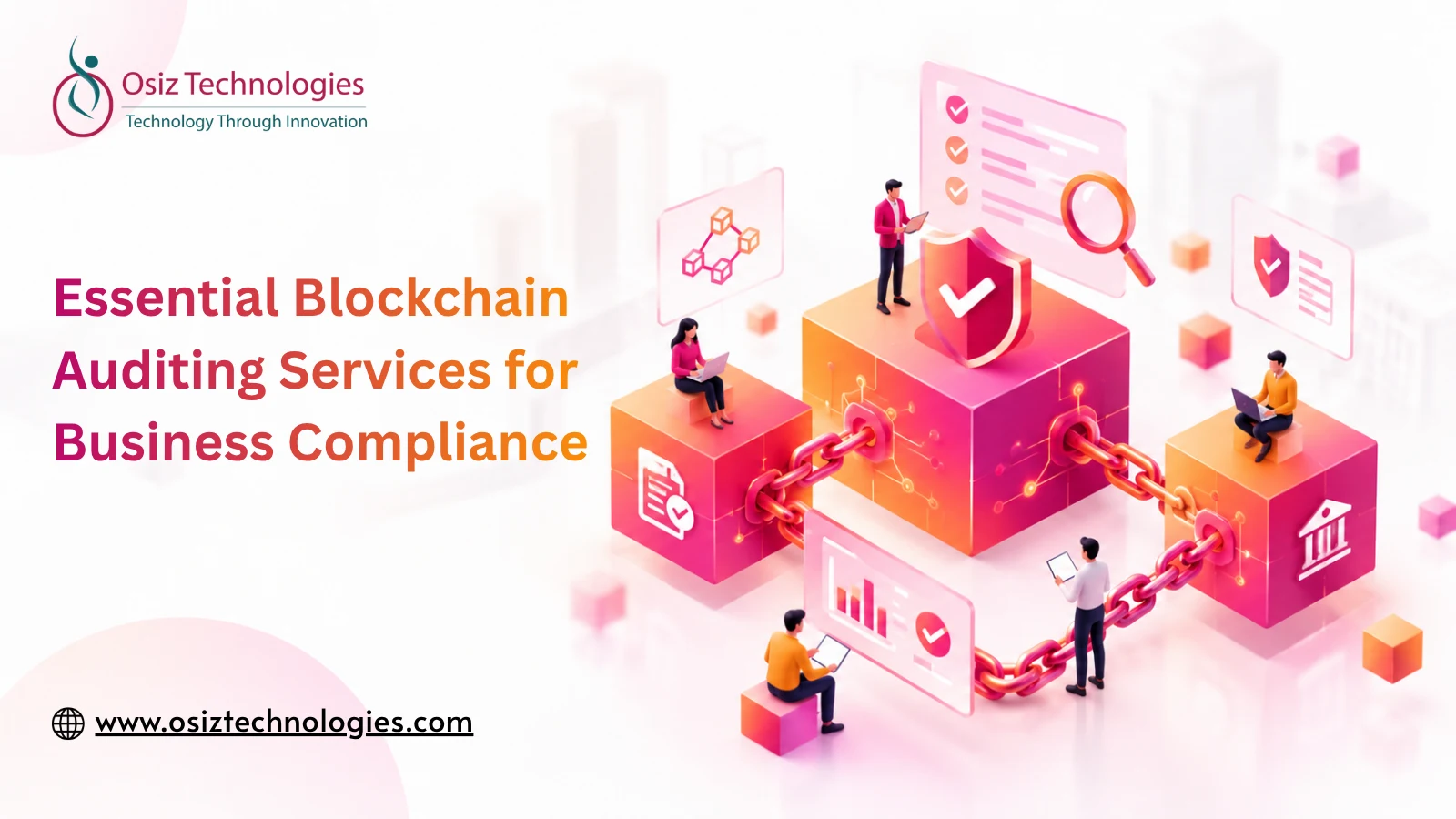
In today's rapidly evolving digital landscape, businesses are increasingly recognizing the significance of blockchain technology. However, with great innovation comes the necessity for robust auditing practices. Blockchain auditing services are not just a trend; they are essential for ensuring compliance, security, and transparency. This article delves into the importance of blockchain audits, the auditing process, and how businesses can effectively choose the right auditor.
The Importance of Blockchain Audits
Blockchain technology offers unparalleled transparency and security, but these features must be validated through thorough audits. Auditing ensures that transactions are accurate, secure, and compliant with relevant regulations. According to The Importance of Blockchain Auditing, auditing plays a critical role in maintaining trust among stakeholders.
Understanding Blockchain Compliance Requirements
Compliance is a major concern for businesses operating in the blockchain space. Various regulations govern how blockchain systems should operate, and failing to comply can lead to severe penalties. A comprehensive understanding of these compliance requirements is crucial for businesses. For more insights, refer to Understanding Blockchain Compliance.
Benefits of Blockchain Auditing
Engaging in blockchain auditing offers numerous benefits:
- Risk Mitigation: Identifying vulnerabilities before they can be exploited.
- Enhanced Transparency: Building trust with stakeholders through verified transactions.
- Regulatory Compliance: Ensuring adherence to laws and regulations.
- Improved Security: Strengthening the overall security posture of the blockchain.
How to Choose a Blockchain Auditor
Selecting the right blockchain auditor is crucial for effective auditing. Here are some factors to consider:
- Experience: Look for auditors with a proven track record in blockchain technology.
- Certifications: Ensure they have relevant certifications and qualifications.
- References: Ask for case studies or testimonials from previous clients.
The Blockchain Audit Process
The blockchain audit process typically involves several key steps:
- Planning: Define the scope and objectives of the audit.
- Data Collection: Gather relevant data from blockchain transactions.
- Analysis: Analyze the data for discrepancies or vulnerabilities.
- Reporting: Create a detailed audit report outlining findings and recommendations.
Blockchain Security Audits
Security audits focus specifically on identifying vulnerabilities that could lead to breaches. These audits often include penetration testing and code reviews to ensure the integrity of the blockchain system.
Blockchain Audit Firms
Choosing a reputable blockchain audit firm is essential. Look for firms that specialize in blockchain technology and have a solid reputation in the industry. Their expertise can significantly impact the effectiveness of your audit.
Blockchain Audit Best Practices
To ensure a successful audit, consider the following best practices:
- Regular Audits: Conduct audits periodically to stay compliant.
- Documentation: Maintain thorough documentation of all processes and transactions.
- Collaboration: Work closely with auditors to address any issues promptly.
Cost of Blockchain Auditing
The cost of blockchain auditing can vary significantly based on the complexity of the system and the scope of the audit. Generally, investing in a quality audit can save businesses from potential losses due to non-compliance or security breaches.
Blockchain Audit Tools
Various tools are available to facilitate blockchain audits, including automated auditing software that can streamline the process and enhance accuracy. Familiarizing yourself with these tools can improve the efficiency of your audits.
Blockchain Risk Management
Effective risk management is integral to the blockchain audit process. Identifying and mitigating risks early can prevent costly issues down the line. Regular audits serve as a proactive measure in managing these risks.
The Future of Blockchain Auditing
As blockchain technology evolves, so will auditing practices. Emerging trends and technologies are expected to shape the future of blockchain auditing significantly. For insights on future trends, check out Future Trends in Blockchain Auditing.
Conclusion:
The growing need for blockchain auditing services is undeniable. Businesses must prioritize regular audits to ensure compliance, strengthen security, and maintain transparency. By understanding the audit process and choosing the right auditor, companies can manage the complexities of blockchain technology with confidence.
Auditing works best when it is built into the project from the start. Partnering with an experienced blockchain development company helps you create secure, audit-ready systems from day one, while end-to-end blockchain development solutions reduce vulnerabilities before they become costly risks. At Osiz Technologies, we offer blockchain development and auditing support to help you build, secure, and scale compliant blockchain applications. Connect with us at osiztechnologies.com to get started.
Listen To The Article

Founder & CEO Osiz Technologies
Mr.Thangapandi, the founder and CEO of Osiz, is a pioneering figure in the field of blockchain technology. His deep understanding of both blockchain technology and user experience has led to the creation of innovative and successful blockchain solutions for businesses and startups, solidifying Osiz's reputation as a reliable service provider in the industry. Because of his unwavering quest for innovation, Mr.Thanga Pandi is well-positioned to be a thought leader and early adopter in the rapidly changing blockchain space. He keeps Osiz at the forefront of this exciting industry with his forward-thinking approach.
Recent Blogs



No 22,Astalakshmi Nagar, Thanakankullam, (Opp Seetha lakshmi Mill gate Bus stop) Thirunagar, Madurai - 625 006.
(Corporate Office)


Canada Office address, 1150, Rue Patrick, Laval, Quebec - H7Y 2C4, Canada.
(Sales Office)


Meydan Grandstand, 6th floor, Meydan Road, Nad Al Sheba, Dubai, U.A.E.
(Sales Office)


Halloween
Offers
 Artificial Intelligence
- AI Development
- AI Predictive Analytics Services
- AI SaaS Development
- RAG Development
- AI Assistant Development
- ChatGPT Development
- Data Analytics Services
- AI Copilot Development
- Adaptive AI Development
- Machine Learning Development
- NLP
- AI Consulting Services
- AI Software Builder
- AI Token Development
- AI Integration Services
- AI Agent Bots
- Enterprise AI Solution
- AI As a Service
- AI Marketing Tools
- AI Video Generator
- Computer Vision Services
- Explore AI
- Dataset
- Machine Learning in Healthcare
- Machine Learning in Retail
- Hire AI Engineers
- Hire Prompt Engineers
- Hire ChatGPT Developers
- Hire Stable Diffusion Developers
- Hire Action Transformer Developers
- Blockchain
- Blockchain Development
- Private Blockchain Development
- Smart Contract Development
- Custom Blockchain Development
- Solana Blockchain Development
- Polygon Blockchain Development
- Public Blockchain Development
- DAO Blockchain Development
- Binance Smart Chain (BSC) Blockchain Development
- DApp Development
- Solana DApp Development
- White Label Blockchain Solutions
- Custom Blockchain On Avalanche
- Custom Blockchain On Polygon
- Blockchain Game Development
- Blockchain Consulting Services
- Blockchain Explorer Development
- Ethereum Blockchain Development
- TRON Blockchain Development
- Prediction Market Platform Development Company
Layer 1 & 2 Solutions- Layer-1 Blockchain Development
- Cross Chain Bridge Development
- Data Availability Layer Development
- Ethereum Layer 2 Scaling Solutions
- Cross-L2 DEX Solution
- Layer 2 Token Development
- Layer 2 Token Marketing
- Layer 2 Cryptocurrency Development
- Layer 2 Solutions For Blockchain Games
- Layer 2 Solutions For Web3 Gaming
- Layer 2 Blockchain Solutions
- Rollups As A Service
- Optimistic Rollups Development
- ZK Tech Development
- Bitcoin Layer 2 Solutions
Crypto Exchange- Cryptocurrency Exchange Development
- White Label Crypto Exchange
- Decentralized Exchange Development
- P2P Exchange Development
- Crypto Derivatives Exchange Development
- Centralized Exchange Development
- Crypto Exchange Clone Script
- Cryptocurrency Exchange App Development
- OTC Exchange Development
- Exchange Listing Services
- Binance Like Exchange Development
- Bitstamp Like Exchange Development
- Crypto Exchange Script
CryptoCrypto WalletToken Standards- Token Development
- AI Token Development
- RWA Tokenization Development
- Coinremitter Clone Script
- Asset Tokenization
- Real Estate Tokenization
- Tokenization Platform Development
- Crypto ETF Development
- Solona Token Development
- Semi-Fungible Token Development
- BEP20 Token Development
- Ethereum Token Development
- ERC1400 Token Development
- ERC998 Token Development
- ERC 721 Token Development
- ERC20 Token Development
- Defi Token Development
- ERC1155 Token Development
- BEP721 Token Development
- Utility Token Development
- ERC 777 Token Development
- ERC 827 Token Development
- Social Token Development
- Metaverse Token Development
- Tron Token Development
- ERC404 Token Development
- Governance Token
- Shibarium Token
- polygon Token
- BRC-20
- TRC20 Token Development
- TRC10 Token Development
- Soulbound Token Development
- NFT Token Development
Trading BotsClone- Crypto Exchange Clone Script
- Binance Clone Script
- Metamask Clone Script
- Coinbase Clone Script
- Kucoin Clone Script
- Paxful Clone Script
- Remitano Clone Script
- Wazirx Clone Script
- ByBit Clone Script
- Bitfinex Clone Script
- MEXC Clone Script
- Bitget Clone Script
- Cointool App Clone Script
- Trust Wallet Clone App
- Coinmarketcap Clone Script
- Changelly Clone Script
- BingX Clone Script
CybersecurityApp SecurityDigital Forensics & Incident ResponseAudit & ConsultingEducation & TrainingSolutionsWeb 3DeFi- Decentralized Finance (DeFi) Development
- DeFi Lending/ Borrowing Platform Development
- DeFi Staking Platform Development
- DeFi Token Development
- DeFi Wallet Development
- DeFi Smart Contract Development
- DeFi DApp Development
- Decentralized Exchange Development
- DeFi Insurance Development
- DeFi Crypto Synthetic Assets Development
Game Development- Game Development
- Android Game Development
- IOS Game Development
- Metaverse Game Development
- VR Game Development
- AI Game Development
- Unity 3D Game Development
- Unreal Engine Game Development
- Mobile Game Development
- Blockchain Game Development
- NFT Game Development
- Play to Earn Game Development
- Move to Earn Game Development
- Casino Game Development
- Slot Game Development
- Poker Game Development
- AAA Game Development
- AR Game Development
- Social Network Game Development
- Gamification Services
- Decentralized Sports Betting Platform
- Sports Betting Dapp Development
- Blockchain Casino Game Development
- Game Asset Creation
- Baccarat Game Development
- Rollbit Clone Script
- Fortnite Clone Script
- Slot Game Development
- Tap to Earn Game Development
- Slot Game Development
Metaverse Platforms- Metaverse Game Development
- Metaverse Event Platform Development
- Metaverse Virtual Mall Development
- Metaverse NFT Marketplace Development
- Metaverse Token Development
- Metaverse Virtual Land Development
- Metaverse Avatar Development
- Metaverse 3d Space Development
- Metaverse Real Estate Development
- Metaverse Social Media Platform Development
- Top 10 Metaverse Development Company
- Metaverse Business Ideas
- Metaverse Launchpad Development
- Metaverse App Development
- Metaverse Casino Game Development
NFT SolutionsNFT Platforms- NFT Minting Development
- NFT Token Development
- NFT Exchange Platform Development
- NFT Launchpad Development
- NFT Fashion Marketplace Development
- NFT Art Marketplace Development
- NFT Music Marketplace Development
- Carbon Credits NFT Marketplace Development
- Binance NFT Marketplace Development
- Polygon NFT Marketplace Development
- Solana NFT Marketplace Development
- Influencers NFT Marketplace Development
- NFT Ticketing Marketplace Development
- DeFi NFT Marketplace Development
- NFT Fantasy Sports Platform Development
- NFT Storage Development
- NFT Lending Platform Development
- Top10 NFT Business Ideas
NFT Game ClonesSustainabilityServiceNow - Blog
- Contact Us
- Works