
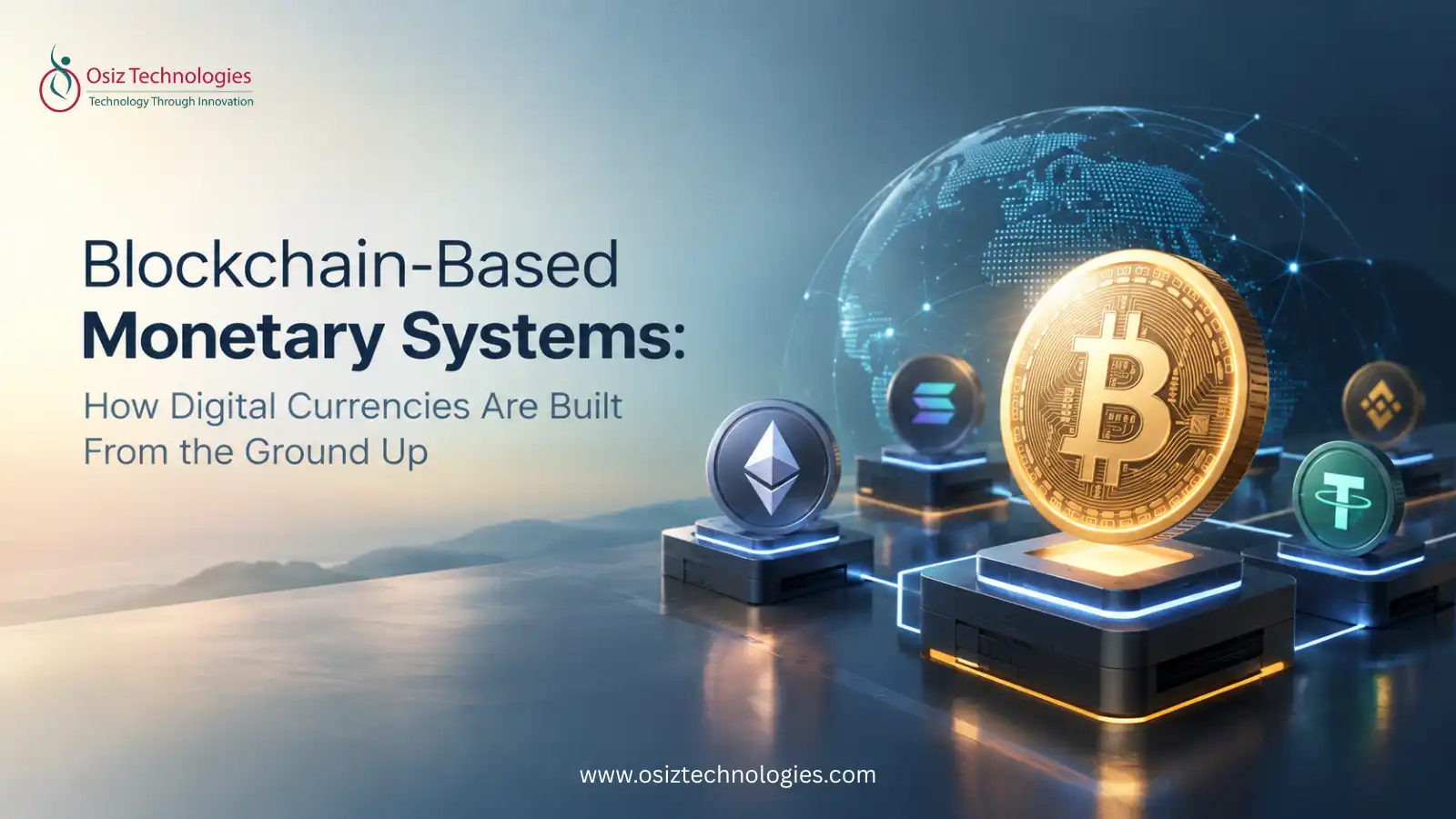
In recent years, blockchain technology has revolutionized the way we think about money and transactions. Digital currencies, built on this innovative technology, offer a decentralized alternative to traditional fiat currencies. This article delves into the intricacies of blockchain-based monetary systems, exploring how digital currencies are constructed, their advantages over fiat, and the future landscape of digital finance.
Understanding Blockchain Technology
Blockchain technology serves as the backbone of digital currencies. At its core, a blockchain is a distributed ledger that records transactions across many computers. This ensures that the data is secure, transparent, and immutable. Each block in the chain contains a number of transactions, and once a block is filled, it is added to the chain in a linear, chronological order. The decentralized nature of blockchain eliminates the need for intermediaries, reducing costs and increasing transaction speed.
How Digital Currencies Work?
Digital currencies operate on blockchain technology, which allows for peer-to-peer transactions without the need for a central authority. When a transaction is initiated, it is verified by network nodes through cryptography and recorded in a public distributed ledger. This process ensures that all transactions are transparent and traceable. For instance, Bitcoin, the first and most well-known cryptocurrency, uses a proof-of-work consensus mechanism to validate transactions and secure the network.
Building Digital Currencies from Scratch
The process of creating a digital currency can be complex but rewarding. It involves several key steps:
Define the Purpose: Determine what problem your currency will solve or what niche it will fill.
Choose a Consensus Mechanism: Decide whether to use proof-of-work, proof-of-stake, or another method.
Develop the Blockchain: Use programming languages like Solidity for Ethereum or C++ for Bitcoin to create your blockchain.
Launch an ICO: Raise funds through an Initial Coin Offering to support development.
Maintain and Upgrade: Continuously improve the currency based on user feedback and technological advancements.
For a detailed guide, you can refer to Building a Cryptocurrency from Scratch.
Digital Currency vs. Fiat Currency
One of the most significant debates in the financial world is the comparison between digital currencies and fiat currencies. Fiat currencies are government-issued and regulated, while digital currencies operate independently of central banks. This independence allows for greater flexibility and innovation. However, it also raises concerns regarding regulation, security, and volatility. Digital currencies can be more susceptible to market fluctuations, making them a riskier investment compared to traditional fiat currencies.
The Future of Digital Currencies
The future of digital currencies looks promising, with increasing adoption across various sectors. As more businesses and consumers recognize the benefits of blockchain technology, we can expect to see an expansion in the use of digital currencies for everyday transactions. Innovations such as smart contracts and decentralized finance (DeFi) are paving the way for a more integrated financial ecosystem. For insights into future developments, check out The Future of Digital Currencies.
Blockchain Scalability Solutions
As the popularity of digital currencies grows, so do concerns about blockchain scalability. Scalability refers to the ability of a blockchain network to handle an increasing number of transactions. Solutions such as sharding, layer-2 protocols, and sidechains are being developed to enhance scalability. These innovations aim to improve transaction speeds and reduce costs, making blockchain technology more viable for mass adoption.
Decentralized Finance (DeFi)
Decentralized finance (DeFi) is a burgeoning sector within the blockchain space that aims to replicate traditional financial services using decentralized technologies. DeFi platforms allow users to lend, borrow, and trade cryptocurrencies without intermediaries. This democratization of finance offers greater access to financial services, particularly for unbanked populations. However, it also presents challenges, such as security vulnerabilities and regulatory scrutiny.
Blockchain Security Features
Security is paramount in the world of digital currencies. Blockchain technology offers several security features, including cryptographic encryption, consensus mechanisms, and decentralized storage. These features work together to protect against fraud, hacking, and unauthorized access. However, users must also take precautions, such as using secure wallets and enabling two-factor authentication, to safeguard their assets.
Investing in Digital Currencies
Investing in digital currencies can be lucrative, but it comes with risks. Potential investors should conduct thorough research and consider factors such as market trends, technology, and regulatory developments. Diversifying investments and utilizing digital currency wallets can help mitigate risks. Additionally, staying informed about the latest news and updates in the blockchain space is crucial for making informed decisions.
Best Blockchain Platforms for Development
Choosing the right blockchain platform is essential for successful cryptocurrency development. Some of the best platforms include Ethereum, Binance Smart Chain, and Polkadot, each offering unique features and capabilities. Factors to consider when selecting a platform include scalability, security, community support, and ease of use. Engaging with blockchain consulting services can provide valuable insights and guidance in this area.
Digital Currency Wallets
Digital currency wallets are essential tools for storing and managing cryptocurrencies. They come in various forms, including hardware wallets, software wallets, and mobile wallets. Each type has its advantages and disadvantages in terms of security, accessibility, and ease of use. Understanding how to choose and utilize a digital currency wallet is vital for anyone looking to invest in or use digital currencies.
Conclusion
Blockchain-based monetary systems are transforming the global financial ecosystem by introducing secure, transparent, and decentralized alternatives to traditional fiat currencies. As digital currency adoption continues to accelerate, businesses and organizations have unprecedented opportunities to innovate and modernize financial services. Partnering with an experienced Blockchain Development Company enables enterprises to build scalable, secure, and future-ready digital currency solutions tailored to evolving market demands. Whether you are a business, investor, or technology enthusiast, understanding blockchain-powered monetary systems is essential for staying ahead in the rapidly evolving world of digital finance. To explore cutting-edge blockchain solutions, connect with Osiz Technologies.
Listen To The Article

Founder & CEO Osiz Technologies
Mr.Thangapandi, the founder and CEO of Osiz, is a pioneering figure in the field of blockchain technology. His deep understanding of both blockchain technology and user experience has led to the creation of innovative and successful blockchain solutions for businesses and startups, solidifying Osiz's reputation as a reliable service provider in the industry. Because of his unwavering quest for innovation, Mr.Thanga Pandi is well-positioned to be a thought leader and early adopter in the rapidly changing blockchain space. He keeps Osiz at the forefront of this exciting industry with his forward-thinking approach.
Recent Blogs



No 22,Astalakshmi Nagar, Thanakankullam, (Opp Seetha lakshmi Mill gate Bus stop) Thirunagar, Madurai - 625 006.
(Corporate Office)


Canada Office address, 1150, Rue Patrick, Laval, Quebec - H7Y 2C4, Canada.
(Sales Office)


Meydan Grandstand, 6th floor, Meydan Road, Nad Al Sheba, Dubai, U.A.E.
(Sales Office)


Halloween
Offers

 Artificial Intelligence
- AI Development
- AI Predictive Analytics Services
- AI SaaS Development
- RAG Development
- AI Assistant Development
- ChatGPT Development
- Data Analytics Services
- AI Copilot Development
- Adaptive AI Development
- Machine Learning Development
- NLP
- AI Consulting Services
- AI Software Builder
- AI Token Development
- AI Integration Services
- AI Agent Bots
- Enterprise AI Solution
- AI As a Service
- AI Marketing Tools
- AI Video Generator
- Computer Vision Services
- Explore AI
- Dataset
- Machine Learning in Healthcare
- Machine Learning in Retail
- Hire AI Engineers
- Hire Prompt Engineers
- Hire ChatGPT Developers
- Hire Stable Diffusion Developers
- Hire Action Transformer Developers
- Blockchain
- Blockchain Development
- Private Blockchain Development
- Smart Contract Development
- Custom Blockchain Development
- Solana Blockchain Development
- Polygon Blockchain Development
- Public Blockchain Development
- DAO Blockchain Development
- Binance Smart Chain (BSC) Blockchain Development
- DApp Development
- Solana DApp Development
- White Label Blockchain Solutions
- Custom Blockchain On Avalanche
- Custom Blockchain On Polygon
- Blockchain Game Development
- Blockchain Consulting Services
- Blockchain Explorer Development
- Ethereum Blockchain Development
- TRON Blockchain Development
- Prediction Market Platform Development Company
Layer 1 & 2 Solutions- Layer-1 Blockchain Development
- Cross Chain Bridge Development
- Data Availability Layer Development
- Ethereum Layer 2 Scaling Solutions
- Cross-L2 DEX Solution
- Layer 2 Token Development
- Layer 2 Token Marketing
- Layer 2 Cryptocurrency Development
- Layer 2 Solutions For Blockchain Games
- Layer 2 Solutions For Web3 Gaming
- Layer 2 Blockchain Solutions
- Rollups As A Service
- Optimistic Rollups Development
- ZK Tech Development
- Bitcoin Layer 2 Solutions
Crypto Exchange- Cryptocurrency Exchange Development
- White Label Crypto Exchange
- Decentralized Exchange Development
- P2P Exchange Development
- Crypto Derivatives Exchange Development
- Centralized Exchange Development
- Crypto Exchange Clone Script
- Cryptocurrency Exchange App Development
- OTC Exchange Development
- Exchange Listing Services
- Binance Like Exchange Development
- Bitstamp Like Exchange Development
- Crypto Exchange Script
CryptoCrypto WalletToken Standards- Token Development
- AI Token Development
- RWA Tokenization Development
- Coinremitter Clone Script
- Asset Tokenization
- Real Estate Tokenization
- Tokenization Platform Development
- Crypto ETF Development
- Solona Token Development
- Semi-Fungible Token Development
- BEP20 Token Development
- Ethereum Token Development
- ERC1400 Token Development
- ERC998 Token Development
- ERC 721 Token Development
- ERC20 Token Development
- Defi Token Development
- ERC1155 Token Development
- BEP721 Token Development
- Utility Token Development
- ERC 777 Token Development
- ERC 827 Token Development
- Social Token Development
- Metaverse Token Development
- Tron Token Development
- ERC404 Token Development
- Governance Token
- Shibarium Token
- polygon Token
- BRC-20
- TRC20 Token Development
- TRC10 Token Development
- Soulbound Token Development
- NFT Token Development
Trading BotsClone- Crypto Exchange Clone Script
- Binance Clone Script
- Metamask Clone Script
- Coinbase Clone Script
- Kucoin Clone Script
- Paxful Clone Script
- Remitano Clone Script
- Wazirx Clone Script
- ByBit Clone Script
- Bitfinex Clone Script
- MEXC Clone Script
- Bitget Clone Script
- Cointool App Clone Script
- Trust Wallet Clone App
- Coinmarketcap Clone Script
- Changelly Clone Script
- BingX Clone Script
CybersecurityApp SecurityDigital Forensics & Incident ResponseAudit & ConsultingEducation & TrainingSolutionsWeb 3DeFi- Decentralized Finance (DeFi) Development
- DeFi Lending/ Borrowing Platform Development
- DeFi Staking Platform Development
- DeFi Token Development
- DeFi Wallet Development
- DeFi Smart Contract Development
- DeFi DApp Development
- Decentralized Exchange Development
- DeFi Insurance Development
- DeFi Crypto Synthetic Assets Development
Game Development- Game Development
- Android Game Development
- IOS Game Development
- Metaverse Game Development
- VR Game Development
- AI Game Development
- Unity 3D Game Development
- Unreal Engine Game Development
- Mobile Game Development
- Blockchain Game Development
- NFT Game Development
- Play to Earn Game Development
- Move to Earn Game Development
- Casino Game Development
- Slot Game Development
- Poker Game Development
- AAA Game Development
- AR Game Development
- Social Network Game Development
- Gamification Services
- Decentralized Sports Betting Platform
- Sports Betting Dapp Development
- Blockchain Casino Game Development
- Game Asset Creation
- Baccarat Game Development
- Rollbit Clone Script
- Fortnite Clone Script
- Slot Game Development
- Tap to Earn Game Development
- Slot Game Development
Metaverse Platforms- Metaverse Game Development
- Metaverse Event Platform Development
- Metaverse Virtual Mall Development
- Metaverse NFT Marketplace Development
- Metaverse Token Development
- Metaverse Virtual Land Development
- Metaverse Avatar Development
- Metaverse 3d Space Development
- Metaverse Real Estate Development
- Metaverse Social Media Platform Development
- Top 10 Metaverse Development Company
- Metaverse Business Ideas
- Metaverse Launchpad Development
- Metaverse App Development
- Metaverse Casino Game Development
NFT SolutionsNFT Platforms- NFT Minting Development
- NFT Token Development
- NFT Exchange Platform Development
- NFT Launchpad Development
- NFT Fashion Marketplace Development
- NFT Art Marketplace Development
- NFT Music Marketplace Development
- Carbon Credits NFT Marketplace Development
- Binance NFT Marketplace Development
- Polygon NFT Marketplace Development
- Solana NFT Marketplace Development
- Influencers NFT Marketplace Development
- NFT Ticketing Marketplace Development
- DeFi NFT Marketplace Development
- NFT Fantasy Sports Platform Development
- NFT Storage Development
- NFT Lending Platform Development
- Top10 NFT Business Ideas
NFT Game ClonesSustainabilityServiceNow - Blog
- Contact Us
- Works