

In the rapidly evolving landscape of healthcare technology, the integration of blockchain with Electronic Health Records (EHR) and Electronic Medical Records (EMR) systems stands out as a transformative solution. This integration promises not only to enhance patient data security but also to streamline healthcare processes, improve interoperability, and foster patient trust. In this article, we will explore the benefits, challenges, and future of Blockchain in Healthcare, providing actionable insights for stakeholders looking to embrace this innovative technology.
Understanding EHR and EMR Systems
Before delving into blockchain integration, it’s essential to understand what EHR and EMR systems are. EHRs are comprehensive digital records that include a patient’s medical history, treatment plans, and test results. EMRs, on the other hand, are digital versions of paper charts in a clinician's office, primarily used for diagnosis and treatment. While both systems aim to improve patient care, they often operate in silos, leading to inefficiencies.
The Role of Blockchain in Healthcare
Blockchain technology, known for its decentralized and immutable nature, offers a promising solution to the challenges faced by EHR and EMR systems. By integrating blockchain, healthcare providers can ensure that patient data is secure, accessible, and tamper-proof. This technology allows for real-time updates and sharing of medical records across different platforms, enhancing the overall efficiency of healthcare delivery.
Benefits of Integrating Blockchain with EHR and EMR Systems
Integrating blockchain with EHR and EMR systems brings numerous benefits:
- Enhanced Security: Blockchain’s encryption and decentralized nature make it nearly impossible for unauthorized users to alter patient data.
- Improved Interoperability: Blockchain facilitates seamless data exchange between different healthcare systems, breaking down data silos
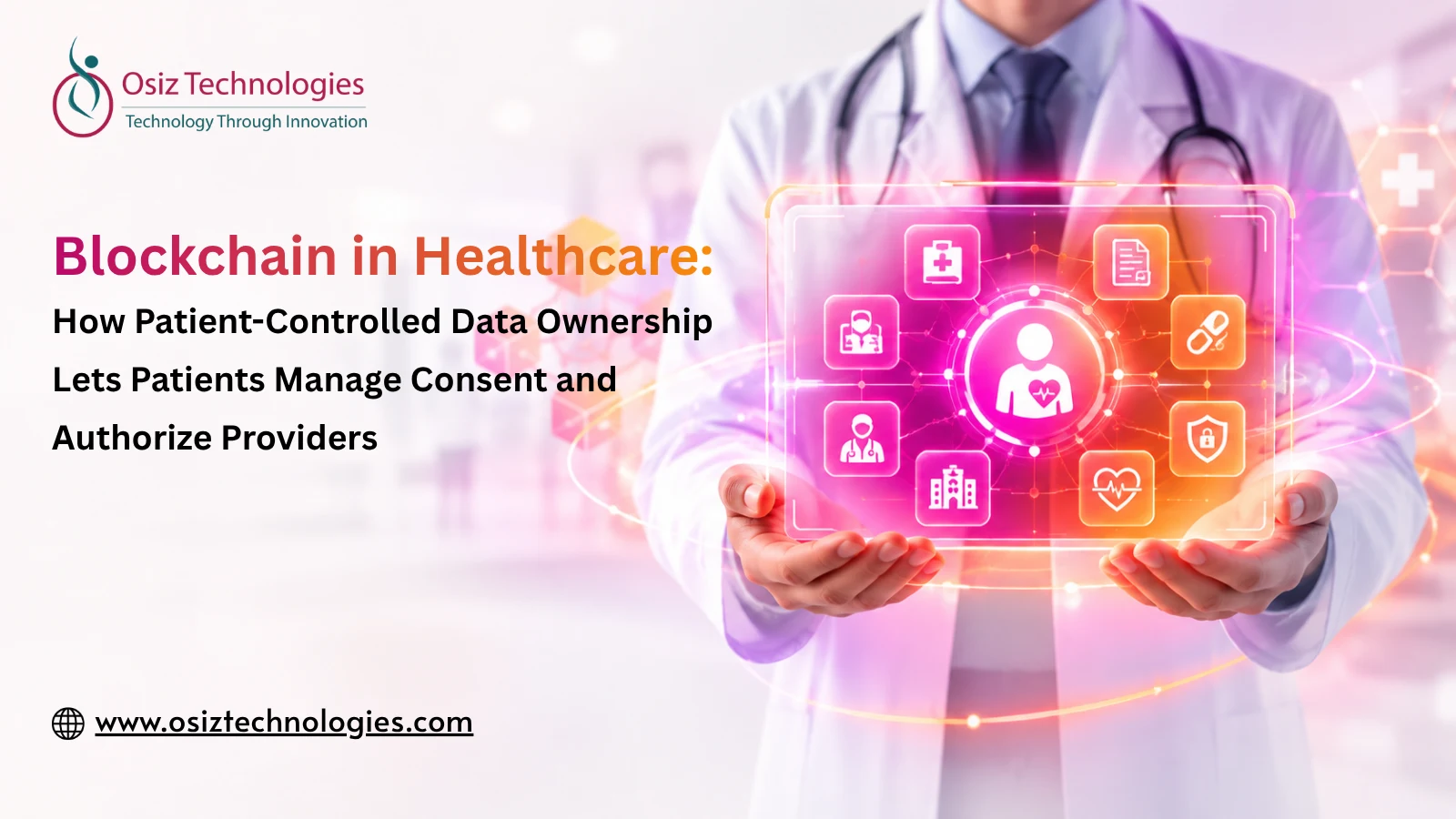
- Patient Empowerment: Patients can control their own data, granting access to healthcare providers as needed, which enhances trust and transparency.
- Cost Efficiency: Reducing administrative burdens and errors can lead to significant cost savings for healthcare organizations.
How Blockchain Improves Healthcare
Blockchain technology has the potential to revolutionize healthcare by improving data integrity and accessibility. For instance, through smart contracts, automated processes can be established for billing and insurance claims, reducing the time and effort required for these tasks. Moreover, blockchain can enhance clinical trials by providing a secure and transparent way to track data, thereby increasing trust among participants.
Case Studies: Blockchain in Action
Several organizations are already leveraging blockchain to improve EHR and EMR systems:
- Guardtime: This company has implemented blockchain solutions to secure patient data in Estonia, demonstrating a successful model for national health systems.
- Gem Health: By utilizing blockchain, Gem Health has enhanced patient consent management, allowing patients to control who accesses their medical records.
Challenges of Blockchain Integration in EHR and EMR Systems
Despite its potential, integrating blockchain into existing healthcare systems comes with challenges:
- Regulatory Hurdles: Navigating healthcare regulations can be complex, requiring compliance with laws governing patient data.
- Technical Barriers: Integrating blockchain with legacy systems can be technically challenging and costly.
- Stakeholder Buy-In: Gaining acceptance from all stakeholders, including patients and healthcare providers, is crucial for successful implementation.
Cost of Blockchain EHR Integration
The cost of integrating blockchain with EHR systems can vary significantly based on the complexity of the implementation, the size of the healthcare organiation, and the specific blockchain solution chosen. Initial investments may be high, but the long-term savings from reduced administrative costs and improved efficiencies can outweigh these expenses.
Future of Blockchain in Healthcare
The future of blockchain in healthcare looks promising. As technology continues to evolve, we can expect to see more innovative applications, such as AI integration with blockchain for predictive analytics and enhanced patient care. Additionally, the push for interoperability among healthcare systems will likely drive further adoption of blockchain solutions.
Blockchain Interoperability in EHR Systems
Interoperability is a critical factor in the success of EHR systems. Blockchain can facilitate interoperability by providing a common platform for data exchange. This allows different healthcare providers to access and share patient information securely, improving care coordination and outcomes.
Blockchain Healthcare Regulations
As blockchain technology becomes more prevalent in healthcare, regulatory frameworks will need to adapt. Ensuring compliance with HIPAA and other regulations is essential for protecting patient data and maintaining trust in blockchain solutions.
Patient Consent Management with Blockchain
Managing patient consent is crucial in healthcare. Blockchain can streamline this process by allowing patients to grant and revoke access to their medical records easily. This not only enhances patient autonomy but also ensures that healthcare providers have the necessary permissions to access vital information.
Conclusion: Embracing Blockchain for a Better Healthcare Future
Integrating blockchain with EHR and EMR systems represents a significant step forward in enhancing patient data security, improving interoperability, and empowering patients. As healthcare organizations navigate the challenges of integration, the potential benefits far outweigh the obstacles. By embracing this technology, stakeholders can pave the way for a more efficient, secure, and patient-centric healthcare system. For those interested in exploring blockchain solutions, connect with Osiz Technologies, a leading blockchain development company, at osiztechnologies.com to learn more about how we can help you transform your healthcare operations.
Listen To The Article

Founder & CEO Osiz Technologies
Mr.Thangapandi, the founder and CEO of Osiz, is a pioneering figure in the field of blockchain technology. His deep understanding of both blockchain technology and user experience has led to the creation of innovative and successful blockchain solutions for businesses and startups, solidifying Osiz's reputation as a reliable service provider in the industry. Because of his unwavering quest for innovation, Mr.Thanga Pandi is well-positioned to be a thought leader and early adopter in the rapidly changing blockchain space. He keeps Osiz at the forefront of this exciting industry with his forward-thinking approach.
Recent Blogs



No 22,Astalakshmi Nagar, Thanakankullam, (Opp Seetha lakshmi Mill gate Bus stop) Thirunagar, Madurai - 625 006.
(Corporate Office)


Canada Office address, 1150, Rue Patrick, Laval, Quebec - H7Y 2C4, Canada.
(Sales Office)


Meydan Grandstand, 6th floor, Meydan Road, Nad Al Sheba, Dubai, U.A.E.
(Sales Office)


Halloween
Offers
 Artificial Intelligence
- AI Development
- AI Predictive Analytics Services
- AI SaaS Development
- RAG Development
- AI Assistant Development
- ChatGPT Development
- Data Analytics Services
- AI Copilot Development
- Adaptive AI Development
- Machine Learning Development
- NLP
- AI Consulting Services
- AI Software Builder
- AI Token Development
- AI Integration Services
- AI Agent Bots
- Enterprise AI Solution
- AI As a Service
- AI Marketing Tools
- AI Video Generator
- Computer Vision Services
- Explore AI
- Dataset
- Machine Learning in Healthcare
- Machine Learning in Retail
- Hire AI Engineers
- Hire Prompt Engineers
- Hire ChatGPT Developers
- Hire Stable Diffusion Developers
- Hire Action Transformer Developers
Portfolio- AI Agriculture
- AI Healthcare
- NLP Services
- AI Brainstorming Tool
- Academic AI
- AI Dermatologist Software
- Best AI Tools
- Artificial Influencer Generator
- AI E-Learning Software
- AI Agriculture Software
- Generative AI Tool
- AI Assistant
- AI Sales Agent
- Intelligence OS For Medical Imaging
- Intelligence OS For Diagnosis Systems
- Intelligence OS For Control Systems
- Intelligence OS For Dialog Systems
- Intelligence OS For Health Management Systems
- Intelligence OS For Chat-Bots
- Intelligence OS For Crypto API
- Intelligence OS For Autocomplete In Search Engines
- Intelligence OS For CCTV To AI Camera
- Intelligence OS For Object Detection
- Intelligence OS For Voice Assistants
- Intelligence OS For Language
- Intelligence OS For Autonomous Vehicles
- Intelligence OS For Educational Assistant
- Intelligence OS For KYT
- Intelligence OS For Recommendation System
- Intelligence OS For Prediction System
- Intelligence OS For Finance
- Intelligence Fourier Transform Analysis
- AI Arbitrage Bot
- Intelligence OS For Multi-Lingual Assistant
- Blockchain
- Blockchain Development
- Private Blockchain Development
- Smart Contract Development
- Custom Blockchain Development
- Solana Blockchain Development
- Polygon Blockchain Development
- Public Blockchain Development
- DAO Blockchain Development
- Binance Smart Chain (BSC) Blockchain Development
- DApp Development
- Solana DApp Development
- White Label Blockchain Solutions
- Custom Blockchain On Avalanche
- Custom Blockchain On Polygon
- Blockchain Game Development
- Blockchain Consulting Services
- Blockchain Explorer Development
- Ethereum Blockchain Development
- TRON Blockchain Development
- Prediction Market Platform Development Company
Layer 1 & 2 Solutions- Layer-1 Blockchain Development
- Cross Chain Bridge Development
- Data Availability Layer Development
- Ethereum Layer 2 Scaling Solutions
- Cross-L2 DEX Solution
- Layer 2 Token Development
- Layer 2 Token Marketing
- Layer 2 Cryptocurrency Development
- Layer 2 Solutions For Blockchain Games
- Layer 2 Solutions For Web3 Gaming
- Layer 2 Blockchain Solutions
- Rollups As A Service
- Optimistic Rollups Development
- ZK Tech Development
- Bitcoin Layer 2 Solutions
Crypto Exchange- Cryptocurrency Exchange Development
- White Label Crypto Exchange
- Decentralized Exchange Development
- P2P Exchange Development
- Crypto Derivatives Exchange Development
- Centralized Exchange Development
- Crypto Exchange Clone Script
- Cryptocurrency Exchange App Development
- OTC Exchange Development
- Exchange Listing Services
- Binance Like Exchange Development
- Bitstamp Like Exchange Development
- Crypto Exchange Script
CryptoCrypto WalletToken Standards- Token Development
- AI Token Development
- RWA Tokenization Development
- Coinremitter Clone Script
- Asset Tokenization
- Real Estate Tokenization
- Tokenization Platform Development
- Crypto ETF Development
- Solona Token Development
- Semi-Fungible Token Development
- BEP20 Token Development
- Ethereum Token Development
- ERC1400 Token Development
- ERC998 Token Development
- ERC 721 Token Development
- ERC20 Token Development
- Defi Token Development
- ERC1155 Token Development
- BEP721 Token Development
- Utility Token Development
- ERC 777 Token Development
- ERC 827 Token Development
- Social Token Development
- Metaverse Token Development
- Tron Token Development
- ERC404 Token Development
- Governance Token
- Shibarium Token
- polygon Token
- BRC-20
- TRC20 Token Development
- TRC10 Token Development
- Soulbound Token Development
- NFT Token Development
Trading BotsClone- Crypto Exchange Clone Script
- Binance Clone Script
- Metamask Clone Script
- Coinbase Clone Script
- Kucoin Clone Script
- Paxful Clone Script
- Remitano Clone Script
- Wazirx Clone Script
- ByBit Clone Script
- Bitfinex Clone Script
- MEXC Clone Script
- Bitget Clone Script
- Cointool App Clone Script
- Trust Wallet Clone App
- Coinmarketcap Clone Script
- Changelly Clone Script
- BingX Clone Script
CybersecurityApp SecurityDigital Forensics & Incident ResponseAudit & ConsultingEducation & TrainingSolutionsWeb 3DeFi- Decentralized Finance (DeFi) Development
- DeFi Lending/ Borrowing Platform Development
- DeFi Staking Platform Development
- DeFi Token Development
- DeFi Wallet Development
- DeFi Smart Contract Development
- DeFi DApp Development
- Decentralized Exchange Development
- DeFi Insurance Development
- DeFi Crypto Synthetic Assets Development
Game Development- Game Development
- Android Game Development
- IOS Game Development
- Metaverse Game Development
- VR Game Development
- AI Game Development
- Unity 3D Game Development
- Unreal Engine Game Development
- Mobile Game Development
- Blockchain Game Development
- NFT Game Development
- Play to Earn Game Development
- Move to Earn Game Development
- Casino Game Development
- Slot Game Development
- Poker Game Development
- AAA Game Development
- AR Game Development
- Social Network Game Development
- Gamification Services
- Decentralized Sports Betting Platform
- Sports Betting Dapp Development
- Blockchain Casino Game Development
- Game Asset Creation
- Baccarat Game Development
- Rollbit Clone Script
- Fortnite Clone Script
- Slot Game Development
- Tap to Earn Game Development
- Slot Game Development
Metaverse Platforms- Metaverse Game Development
- Metaverse Event Platform Development
- Metaverse Virtual Mall Development
- Metaverse NFT Marketplace Development
- Metaverse Token Development
- Metaverse Virtual Land Development
- Metaverse Avatar Development
- Metaverse 3d Space Development
- Metaverse Real Estate Development
- Metaverse Social Media Platform Development
- Top 10 Metaverse Development Company
- Metaverse Business Ideas
- Metaverse Launchpad Development
- Metaverse App Development
- Metaverse Casino Game Development
NFT SolutionsNFT Platforms- NFT Minting Development
- NFT Token Development
- NFT Exchange Platform Development
- NFT Launchpad Development
- NFT Fashion Marketplace Development
- NFT Art Marketplace Development
- NFT Music Marketplace Development
- Carbon Credits NFT Marketplace Development
- Binance NFT Marketplace Development
- Polygon NFT Marketplace Development
- Solana NFT Marketplace Development
- Influencers NFT Marketplace Development
- NFT Ticketing Marketplace Development
- DeFi NFT Marketplace Development
- NFT Fantasy Sports Platform Development
- NFT Storage Development
- NFT Lending Platform Development
- Top10 NFT Business Ideas
NFT Game ClonesSustainabilityServiceNow - Blog
- Contact Us
- Works