
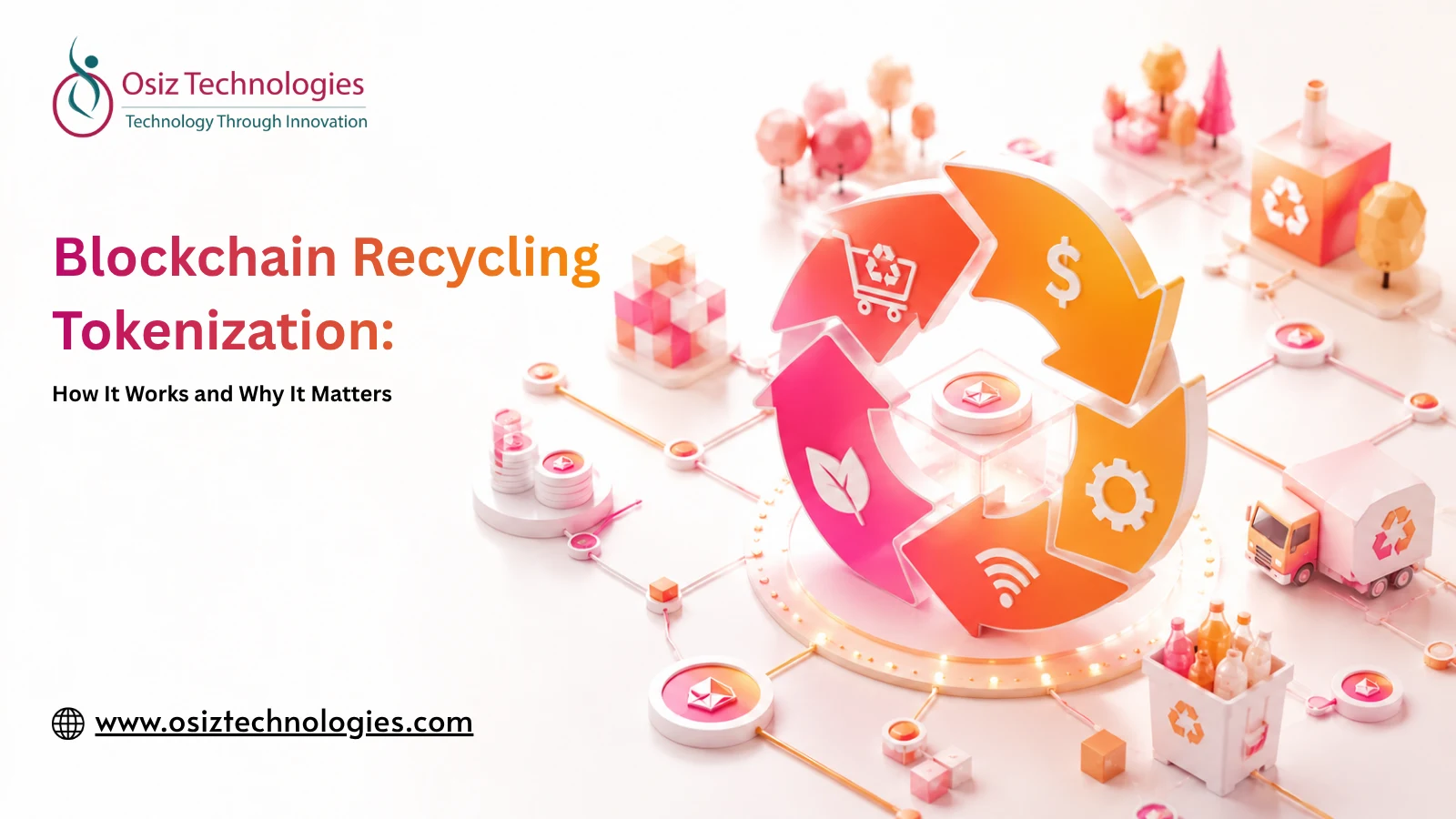
In an era where sustainability is paramount, blockchain recycling tokenization emerges as a revolutionary solution. This technology not only enhances transparency in recycling processes but also incentivizes participation from various stakeholders. By tokenizing recycling efforts, we can track materials more efficiently, reduce waste, and promote a circular economy. This article delves into the mechanics of blockchain recycling, its benefits, and the future it promises for the recycling industry.
Understanding Blockchain Technology
Blockchain technology is a decentralized ledger system that records transactions across multiple computers. This ensures that the recorded data cannot be altered retroactively, providing a high level of security and transparency. In the context of recycling, blockchain can track the journey of materials from collection to processing, ensuring accountability at every stage.
How Blockchain Recycling Works
Blockchain recycling tokenization involves creating digital tokens that represent recyclable materials. These tokens can be tracked through the blockchain, providing real-time data on the status and location of the materials. For example, when a plastic bottle is collected for recycling, a token is created that represents that bottle. As it moves through the recycling process, the token is updated, ensuring all stakeholders can see its journey.
Token Creation and Management
The process begins when recyclables are collected. Each item is assigned a unique token that is recorded on the blockchain. This token contains essential information such as the type of material, collection date, and location. As the material is processed, its token is updated to reflect its status, whether it’s being sorted, cleaned, or transformed into new products.
Benefits of Tokenization in Recycling
Tokenization offers numerous advantages for the recycling industry:
- Increased Transparency: Stakeholders can track materials in real-time, fostering trust among consumers and businesses.
- Enhanced Efficiency: Automated processes reduce the time and cost associated with recycling.
- Incentivization: Participants can earn tokens for their recycling efforts, promoting higher participation rates.
- Data Collection: Valuable data on recycling habits can be gathered, informing future strategies.
Blockchain Technology in Waste Management
Beyond recycling, blockchain technology is transforming waste management as a whole. By integrating blockchain, waste management companies can optimize routes for collection, reduce operational costs, and improve service delivery. The transparency provided by blockchain can also help in regulatory compliance, ensuring that waste is handled according to environmental standards.
Case Studies on Blockchain Recycling
Several innovative projects are already utilizing blockchain for recycling:
- Plastic Bank: This initiative allows individuals to collect plastic waste and exchange it for tokens that can be used for goods and services.
- Everledger: Focused on tracking diamonds, this project is also exploring applications in recycling, ensuring that materials are ethically sourced and processed.
Challenges of Blockchain in Recycling
While the potential is vast, implementing blockchain in recycling is not without challenges:
- Scalability: As more participants join the network, ensuring the system can handle increased data loads is crucial.
- Integration: Existing systems may need significant upgrades to work seamlessly with blockchain technology.
- Education: Stakeholders must understand how to use the technology effectively to reap its benefits.
Future of Recycling with Blockchain
The future of recycling is promising with blockchain technology. As more companies adopt this approach, we can expect a more efficient, transparent, and sustainable recycling ecosystem. Innovations in tokenization will likely lead to new business models that prioritize sustainability and environmental responsibility.
How to Implement Blockchain in Recycling
For organizations looking to adopt blockchain in their recycling processes, consider the following steps:
- Identify Goals: Determine what you want to achieve with blockchain technology.
- Choose a Platform: Select a blockchain platform that suits your needs.
- Develop a Strategy: Create a comprehensive plan that includes stakeholder engagement and technology integration.
- Pilot Program: Start with a small-scale pilot to test the system before full implementation.
Investing in Blockchain Recycling Startups
Investors looking to support sustainable initiatives should consider blockchain recycling startups. These companies are at the forefront of innovation, developing solutions that not only address waste management but also contribute to a circular economy. Investing in these startups can yield both financial returns and positive environmental impact.
Blockchain Transparency in Recycling
Transparency is a critical component of effective recycling. Blockchain provides a tamper-proof record of all transactions, ensuring that all parties involved can verify the authenticity and status of materials. This level of transparency can help build consumer trust and encourage more people to participate in recycling programs.
Conclusion: The Call to Action
Blockchain recycling tokenization is not just a trend; it’s a transformative approach that holds the potential to revolutionize the recycling industry. By embracing this technology, we can create a more sustainable future. For organizations and individuals interested in exploring blockchain solutions for recycling, connect with Osiz Technologies, a trusted blockchain development company, to learn more about how we can help you implement these innovative strategies.
Listen To The Article

Founder & CEO Osiz Technologies
Mr.Thangapandi, the founder and CEO of Osiz, is a pioneering figure in the field of blockchain technology. His deep understanding of both blockchain technology and user experience has led to the creation of innovative and successful blockchain solutions for businesses and startups, solidifying Osiz's reputation as a reliable service provider in the industry. Because of his unwavering quest for innovation, Mr.Thanga Pandi is well-positioned to be a thought leader and early adopter in the rapidly changing blockchain space. He keeps Osiz at the forefront of this exciting industry with his forward-thinking approach.
Recent Blogs



No 22,Astalakshmi Nagar, Thanakankullam, (Opp Seetha lakshmi Mill gate Bus stop) Thirunagar, Madurai - 625 006.
(Corporate Office)


Canada Office address, 1150, Rue Patrick, Laval, Quebec - H7Y 2C4, Canada.
(Sales Office)


Meydan Grandstand, 6th floor, Meydan Road, Nad Al Sheba, Dubai, U.A.E.
(Sales Office)


Halloween
Offers
 Artificial Intelligence
- AI Development
- AI Predictive Analytics Services
- AI SaaS Development
- RAG Development
- AI Assistant Development
- ChatGPT Development
- Data Analytics Services
- AI Copilot Development
- Adaptive AI Development
- Machine Learning Development
- NLP
- AI Consulting Services
- AI Software Builder
- AI Token Development
- AI Integration Services
- AI Agent Bots
- Enterprise AI Solution
- AI As a Service
- AI Marketing Tools
- AI Video Generator
- Computer Vision Services
- Explore AI
- Dataset
- Machine Learning in Healthcare
- Machine Learning in Retail
- Hire AI Engineers
- Hire Prompt Engineers
- Hire ChatGPT Developers
- Hire Stable Diffusion Developers
- Hire Action Transformer Developers
Portfolio- AI Agriculture
- AI Healthcare
- NLP Services
- AI Brainstorming Tool
- Academic AI
- AI Dermatologist Software
- Best AI Tools
- Artificial Influencer Generator
- AI E-Learning Software
- AI Agriculture Software
- Generative AI Tool
- AI Assistant
- AI Sales Agent
- Intelligence OS For Medical Imaging
- Intelligence OS For Diagnosis Systems
- Intelligence OS For Control Systems
- Intelligence OS For Dialog Systems
- Intelligence OS For Health Management Systems
- Intelligence OS For Chat-Bots
- Intelligence OS For Crypto API
- Intelligence OS For Autocomplete In Search Engines
- Intelligence OS For CCTV To AI Camera
- Intelligence OS For Object Detection
- Intelligence OS For Voice Assistants
- Intelligence OS For Language
- Intelligence OS For Autonomous Vehicles
- Intelligence OS For Educational Assistant
- Intelligence OS For KYT
- Intelligence OS For Recommendation System
- Intelligence OS For Prediction System
- Intelligence OS For Finance
- Intelligence Fourier Transform Analysis
- AI Arbitrage Bot
- Intelligence OS For Multi-Lingual Assistant
- Blockchain
- Blockchain Development
- Private Blockchain Development
- Smart Contract Development
- Custom Blockchain Development
- Solana Blockchain Development
- Polygon Blockchain Development
- Public Blockchain Development
- DAO Blockchain Development
- Binance Smart Chain (BSC) Blockchain Development
- DApp Development
- Solana DApp Development
- White Label Blockchain Solutions
- Custom Blockchain On Avalanche
- Custom Blockchain On Polygon
- Blockchain Game Development
- Blockchain Consulting Services
- Blockchain Explorer Development
- Ethereum Blockchain Development
- TRON Blockchain Development
- Prediction Market Platform Development Company
Layer 1 & 2 Solutions- Layer-1 Blockchain Development
- Cross Chain Bridge Development
- Data Availability Layer Development
- Ethereum Layer 2 Scaling Solutions
- Cross-L2 DEX Solution
- Layer 2 Token Development
- Layer 2 Token Marketing
- Layer 2 Cryptocurrency Development
- Layer 2 Solutions For Blockchain Games
- Layer 2 Solutions For Web3 Gaming
- Layer 2 Blockchain Solutions
- Rollups As A Service
- Optimistic Rollups Development
- ZK Tech Development
- Bitcoin Layer 2 Solutions
Crypto Exchange- Cryptocurrency Exchange Development
- White Label Crypto Exchange
- Decentralized Exchange Development
- P2P Exchange Development
- Crypto Derivatives Exchange Development
- Centralized Exchange Development
- Crypto Exchange Clone Script
- Cryptocurrency Exchange App Development
- OTC Exchange Development
- Exchange Listing Services
- Binance Like Exchange Development
- Bitstamp Like Exchange Development
- Crypto Exchange Script
CryptoCrypto WalletToken Standards- Token Development
- AI Token Development
- RWA Tokenization Development
- Coinremitter Clone Script
- Asset Tokenization
- Real Estate Tokenization
- Tokenization Platform Development
- Crypto ETF Development
- Solona Token Development
- Semi-Fungible Token Development
- BEP20 Token Development
- Ethereum Token Development
- ERC1400 Token Development
- ERC998 Token Development
- ERC 721 Token Development
- ERC20 Token Development
- Defi Token Development
- ERC1155 Token Development
- BEP721 Token Development
- Utility Token Development
- ERC 777 Token Development
- ERC 827 Token Development
- Social Token Development
- Metaverse Token Development
- Tron Token Development
- ERC404 Token Development
- Governance Token
- Shibarium Token
- polygon Token
- BRC-20
- TRC20 Token Development
- TRC10 Token Development
- Soulbound Token Development
- NFT Token Development
Trading BotsClone- Crypto Exchange Clone Script
- Binance Clone Script
- Metamask Clone Script
- Coinbase Clone Script
- Kucoin Clone Script
- Paxful Clone Script
- Remitano Clone Script
- Wazirx Clone Script
- ByBit Clone Script
- Bitfinex Clone Script
- MEXC Clone Script
- Bitget Clone Script
- Cointool App Clone Script
- Trust Wallet Clone App
- Coinmarketcap Clone Script
- Changelly Clone Script
- BingX Clone Script
CybersecurityApp SecurityDigital Forensics & Incident ResponseAudit & ConsultingEducation & TrainingSolutionsWeb 3DeFi- Decentralized Finance (DeFi) Development
- DeFi Lending/ Borrowing Platform Development
- DeFi Staking Platform Development
- DeFi Token Development
- DeFi Wallet Development
- DeFi Smart Contract Development
- DeFi DApp Development
- Decentralized Exchange Development
- DeFi Insurance Development
- DeFi Crypto Synthetic Assets Development
Game Development- Game Development
- Android Game Development
- IOS Game Development
- Metaverse Game Development
- VR Game Development
- AI Game Development
- Unity 3D Game Development
- Unreal Engine Game Development
- Mobile Game Development
- Blockchain Game Development
- NFT Game Development
- Play to Earn Game Development
- Move to Earn Game Development
- Casino Game Development
- Slot Game Development
- Poker Game Development
- AAA Game Development
- AR Game Development
- Social Network Game Development
- Gamification Services
- Decentralized Sports Betting Platform
- Sports Betting Dapp Development
- Blockchain Casino Game Development
- Game Asset Creation
- Baccarat Game Development
- Rollbit Clone Script
- Fortnite Clone Script
- Slot Game Development
- Tap to Earn Game Development
- Slot Game Development
Metaverse Platforms- Metaverse Game Development
- Metaverse Event Platform Development
- Metaverse Virtual Mall Development
- Metaverse NFT Marketplace Development
- Metaverse Token Development
- Metaverse Virtual Land Development
- Metaverse Avatar Development
- Metaverse 3d Space Development
- Metaverse Real Estate Development
- Metaverse Social Media Platform Development
- Top 10 Metaverse Development Company
- Metaverse Business Ideas
- Metaverse Launchpad Development
- Metaverse App Development
- Metaverse Casino Game Development
NFT SolutionsNFT Platforms- NFT Minting Development
- NFT Token Development
- NFT Exchange Platform Development
- NFT Launchpad Development
- NFT Fashion Marketplace Development
- NFT Art Marketplace Development
- NFT Music Marketplace Development
- Carbon Credits NFT Marketplace Development
- Binance NFT Marketplace Development
- Polygon NFT Marketplace Development
- Solana NFT Marketplace Development
- Influencers NFT Marketplace Development
- NFT Ticketing Marketplace Development
- DeFi NFT Marketplace Development
- NFT Fantasy Sports Platform Development
- NFT Storage Development
- NFT Lending Platform Development
- Top10 NFT Business Ideas
NFT Game ClonesSustainabilityServiceNow - Blog
- Contact Us
- Works