
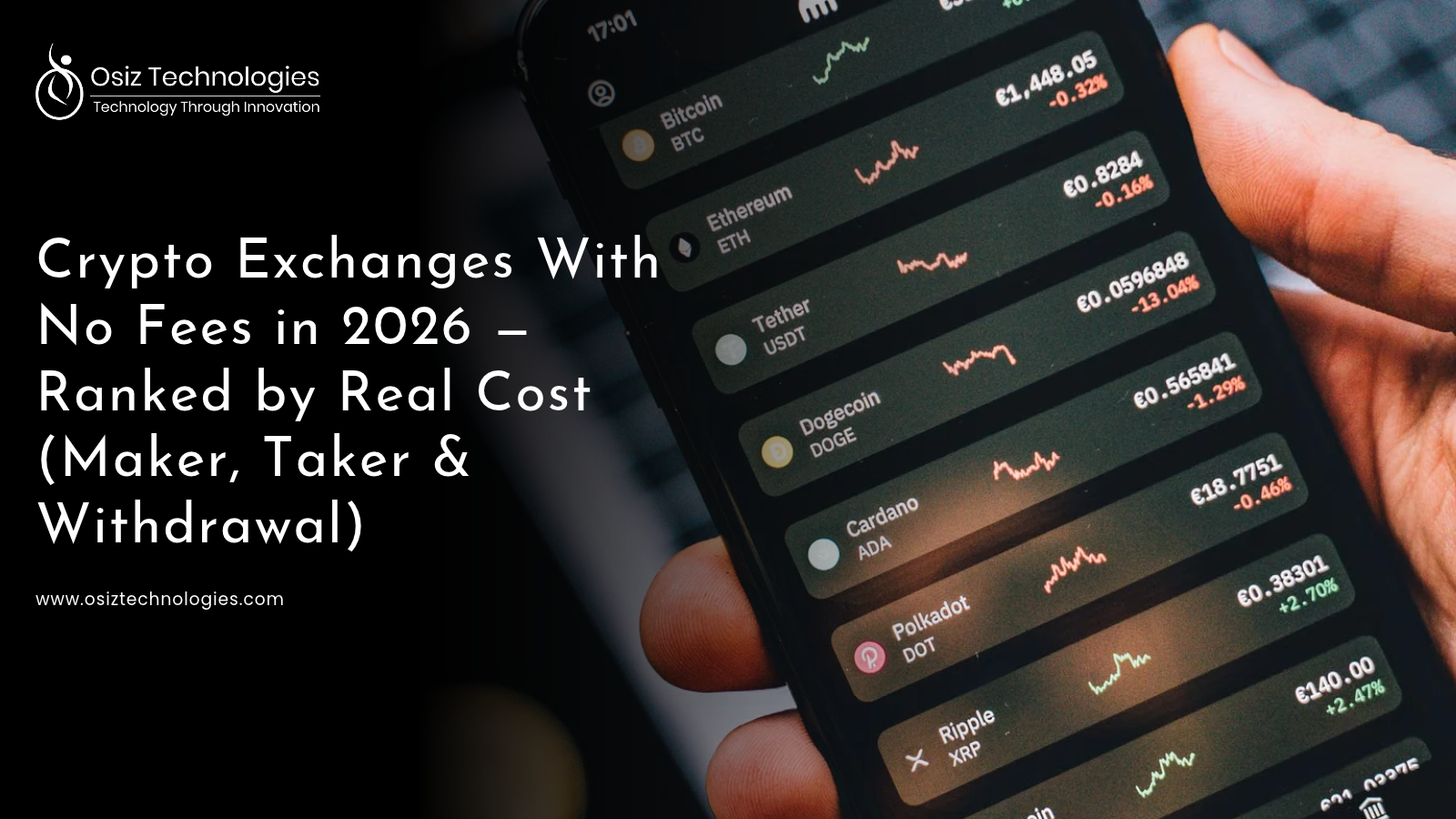
As the cryptocurrency landscape evolves, the demand for cost-effective trading solutions has surged. In 2026, crypto exchanges with no fees are becoming increasingly popular, appealing to both novice and seasoned traders. This article explores the best no-fee crypto exchanges, delving into their maker and taker fees, withdrawal costs, and how to choose the right platform for your needs. By understanding the fee structures and hidden costs, you can maximize your trading efficiency and profitability.
Understanding Crypto Exchange Fees
Before diving into the no-fee exchanges, it's essential to grasp the various types of fees associated with crypto trading. Generally, exchanges charge:
Maker Fees: Charged to users who add liquidity to the market by placing limit orders.
Taker Fees: Charged to users who remove liquidity by placing market orders.
Withdrawal Fees: Fees incurred when transferring funds out of the exchange.
Understanding these fees is crucial for selecting the right exchange and optimizing your trading strategy.
Why Choose No-Fee Crypto Exchanges?
No-fee crypto exchanges offer traders a significant advantage by eliminating trading costs, allowing for more efficient capital use. This model is particularly beneficial for frequent traders, as even small fees can accumulate over time. Moreover, no-fee exchanges often attract a larger user base, fostering a more vibrant trading community.
Top No-Fee Crypto Exchanges in 2026
When choosing a no-fee crypto exchange in 2026, traders should look beyond advertised zero trading fees and compare maker-taker charges, withdrawal costs, spreads, and trading conditions. Some platforms offer zero-fee trading only for selected pairs, products, or user groups, so the actual savings depend on how you trade.
1. Bitfinex— Zero Trading Fees
Bitfinex offers zero maker and taker trading fees across eligible spot, margin, derivatives, and OTC products, according to its published fee policy. Traders can access multiple cryptocurrency markets without standard trading commissions. The platform also provides advanced trading tools and liquidity for different trading strategies. However, withdrawal, lending, and other applicable charges may still apply. It is worth considering for traders seeking to reduce direct trading costs.
2. MEXC— Zero-Fee Trading Pairs
MEXC provides zero-fee trading on selected cryptocurrency pairs, making it an option for cost-conscious traders. Its fee structure varies according to the trading pair, product, and applicable account conditions. Some markets offer zero fees on both maker and taker orders, while others may charge a taker fee. The platform supports a broad selection of digital assets and trading markets. Traders should verify eligible pairs and withdrawal charges before placing orders.
3. Coinbase One— Subscription-Based Zero Trading Fees
Coinbase One offers eligible subscribers zero trading fees on qualifying transactions within the limits of their selected membership plan. This model may appeal to frequent traders who want more predictable trading costs. However, the benefits depend on the subscription tier, monthly trading allowance, and supported transaction types. Spreads and certain other charges may still apply, and Advanced Trade is excluded from the waiver described in the cited comparison. Traders should calculate whether subscription savings justify the membership cost.
4. Binance.US— Low-Cost Spot Trading
Binance.US has published a zero-maker-fee structure with a small taker fee on eligible spot trading pairs, rather than completely fee-free trading. This can help traders reduce costs when their order types and trading volumes align with the platform's fee model. Users should distinguish between maker orders, taker orders, and instant-buy transactions, which may involve different costs. The service is designed for the US market, so availability is geographically restricted. Review the current fee schedule and supported services before opening an account.
5. Kraken— Subscription-Based Fee Savings
Kraken offers a Kraken+ subscription that waives certain fees on eligible Buy, Sell, and Convert transactions within the applicable monthly allowance. This may suit users who regularly trade through its consumer-facing services. The fee waiver does not cover every product, including Kraken Pro spot and futures trading, and spreads or other charges may still apply. Traders should compare the subscription price with their expected monthly savings. Checking the latest regional terms can help determine whether this option fits their trading needs
Understanding Maker and Taker Fees
While exploring no-fee exchanges, it's crucial to understand the implications of maker and taker fees. Maker fees can incentivize users to place limit orders, while taker fees can discourage immediate trades. Selecting an exchange that balances these fees can significantly impact your trading experience.
Withdrawal Fees: What to Watch Out For
Even on no-fee exchanges, withdrawal fees can vary significantly. It's essential to consider these costs when evaluating an exchange's overall value. Some platforms may offer zero trading fees but impose high withdrawal fees, which can negate the benefits of fee-free trading.
How to Choose a Crypto Exchange?
When selecting a crypto exchange, consider the following factors:
Fee Structure: Analyze the maker, taker, and withdrawal fees.
Security Features: Ensure the platform employs robust security measures.
User Experience: Look for an intuitive interface and responsive customer support.
Available Cryptocurrencies: Check the range of cryptocurrencies offered for trading.
No Fee Trading Platforms in 2026: A Comparative Analysis
In 2026, the landscape of no-fee trading platforms is diverse. Conducting a comparative analysis of these platforms can help identify the one that best suits your trading style. Factors to consider include liquidity, trading volume, and the range of supported cryptocurrencies.
Hidden Fees in Crypto Exchanges
Even in exchanges that advertise no trading fees, hidden costs may lurk. These can include fees for account maintenance, inactivity, or currency conversion. Always read the fine print and conduct thorough research before committing to an exchange.
Fee-Free Crypto Trading Strategies
To maximize your returns on no-fee exchanges, consider implementing the following strategies:
Frequent Trading: Take advantage of the zero trading fees by executing multiple trades.
Limit Orders: Utilize limit orders to avoid taker fees.
Market Analysis: Stay informed about market trends to make timely trades.
Conclusion: The Future of Crypto Trading Without Fees
As competition among cryptocurrency exchanges continues to grow, the demand for no-fee trading and cost-effective trading solutions is expected to increase. Understanding different fee structures and choosing the right platform can help traders optimize costs and improve their overall trading experience. Prioritizing security, user-friendly features, and transparent pricing is equally important when navigating the evolving crypto landscape. Partnering with a trusted Crypto Exchange Development Company like Osiz can help businesses build secure, scalable, and feature-rich exchange platforms. For expert insights and tailored development solutions, visit osiztechnologies.com.
Listen To The Article

Founder & CEO Osiz Technologies
Mr. Thangapandi is the founder and CEO of Osiz, leads a team that's nailed over 500+ successful crypto projects, Osiz excels in delivering cutting-edge crypto exchange solutions. Mr. Thangapandi's deep expertise ensures secure, scalable, and user-friendly platforms. Clients trust Osiz for its innovative approach and commitment to excellence.Our way? Tailored solutions that meet unique business needs, driving growth and efficiency. Osiz serves a diverse clientele, continuously setting new standards in the crypto industry. Simplicity, security, and success define our path forward.
Recent Blogs






No 22,Astalakshmi Nagar, Thanakankullam, (Opp Seetha lakshmi Mill gate Bus stop) Thirunagar, Madurai - 625 006.
(Corporate Office)


Canada Office address, 1150, Rue Patrick, Laval, Quebec - H7Y 2C4, Canada.
(Sales Office)


Meydan Grandstand, 6th floor, Meydan Road, Nad Al Sheba, Dubai, U.A.E.
(Sales Office)


Halloween
Offers

 Artificial Intelligence
- AI Development
- AI Predictive Analytics Services
- AI SaaS Development
- RAG Development
- AI Assistant Development
- ChatGPT Development
- Data Analytics Services
- AI Copilot Development
- Adaptive AI Development
- Machine Learning Development
- NLP
- AI Consulting Services
- AI Software Builder
- AI Token Development
- AI Integration Services
- AI Agent Bots
- Enterprise AI Solution
- AI As a Service
- AI Marketing Tools
- AI Video Generator
- Computer Vision Services
- Explore AI
- Dataset
- Machine Learning in Healthcare
- Machine Learning in Retail
- Hire AI Engineers
- Hire Prompt Engineers
- Hire ChatGPT Developers
- Hire Stable Diffusion Developers
- Hire Action Transformer Developers
- Blockchain
- Blockchain Development
- Private Blockchain Development
- Smart Contract Development
- Custom Blockchain Development
- Solana Blockchain Development
- Polygon Blockchain Development
- Public Blockchain Development
- DAO Blockchain Development
- Binance Smart Chain (BSC) Blockchain Development
- DApp Development
- Solana DApp Development
- White Label Blockchain Solutions
- Custom Blockchain On Avalanche
- Custom Blockchain On Polygon
- Blockchain Game Development
- Blockchain Consulting Services
- Blockchain Explorer Development
- Ethereum Blockchain Development
- TRON Blockchain Development
- Prediction Market Platform Development Company
Layer 1 & 2 Solutions- Layer-1 Blockchain Development
- Cross Chain Bridge Development
- Data Availability Layer Development
- Ethereum Layer 2 Scaling Solutions
- Cross-L2 DEX Solution
- Layer 2 Token Development
- Layer 2 Token Marketing
- Layer 2 Cryptocurrency Development
- Layer 2 Solutions For Blockchain Games
- Layer 2 Solutions For Web3 Gaming
- Layer 2 Blockchain Solutions
- Rollups As A Service
- Optimistic Rollups Development
- ZK Tech Development
- Bitcoin Layer 2 Solutions
Crypto Exchange- Cryptocurrency Exchange Development
- White Label Crypto Exchange
- Decentralized Exchange Development
- P2P Exchange Development
- Crypto Derivatives Exchange Development
- Centralized Exchange Development
- Crypto Exchange Clone Script
- Cryptocurrency Exchange App Development
- OTC Exchange Development
- Exchange Listing Services
- Binance Like Exchange Development
- Bitstamp Like Exchange Development
- Crypto Exchange Script
CryptoCrypto WalletToken Standards- Token Development
- AI Token Development
- RWA Tokenization Development
- Coinremitter Clone Script
- Asset Tokenization
- Real Estate Tokenization
- Tokenization Platform Development
- Crypto ETF Development
- Solona Token Development
- Semi-Fungible Token Development
- BEP20 Token Development
- Ethereum Token Development
- ERC1400 Token Development
- ERC998 Token Development
- ERC 721 Token Development
- ERC20 Token Development
- Defi Token Development
- ERC1155 Token Development
- BEP721 Token Development
- Utility Token Development
- ERC 777 Token Development
- ERC 827 Token Development
- Social Token Development
- Metaverse Token Development
- Tron Token Development
- ERC404 Token Development
- Governance Token
- Shibarium Token
- polygon Token
- BRC-20
- TRC20 Token Development
- TRC10 Token Development
- Soulbound Token Development
- NFT Token Development
Trading BotsClone- Crypto Exchange Clone Script
- Binance Clone Script
- Metamask Clone Script
- Coinbase Clone Script
- Kucoin Clone Script
- Paxful Clone Script
- Remitano Clone Script
- Wazirx Clone Script
- ByBit Clone Script
- Bitfinex Clone Script
- MEXC Clone Script
- Bitget Clone Script
- Cointool App Clone Script
- Trust Wallet Clone App
- Coinmarketcap Clone Script
- Changelly Clone Script
- BingX Clone Script
CybersecurityApp SecurityDigital Forensics & Incident ResponseAudit & ConsultingEducation & TrainingSolutionsWeb 3DeFi- Decentralized Finance (DeFi) Development
- DeFi Lending/ Borrowing Platform Development
- DeFi Staking Platform Development
- DeFi Token Development
- DeFi Wallet Development
- DeFi Smart Contract Development
- DeFi DApp Development
- Decentralized Exchange Development
- DeFi Insurance Development
- DeFi Crypto Synthetic Assets Development
Game Development- Game Development
- Android Game Development
- IOS Game Development
- Metaverse Game Development
- VR Game Development
- AI Game Development
- Unity 3D Game Development
- Unreal Engine Game Development
- Mobile Game Development
- Blockchain Game Development
- NFT Game Development
- Play to Earn Game Development
- Move to Earn Game Development
- Casino Game Development
- Slot Game Development
- Poker Game Development
- AAA Game Development
- AR Game Development
- Social Network Game Development
- Gamification Services
- Decentralized Sports Betting Platform
- Sports Betting Dapp Development
- Blockchain Casino Game Development
- Game Asset Creation
- Baccarat Game Development
- Rollbit Clone Script
- Fortnite Clone Script
- Slot Game Development
- Tap to Earn Game Development
- Slot Game Development
Metaverse Platforms- Metaverse Game Development
- Metaverse Event Platform Development
- Metaverse Virtual Mall Development
- Metaverse NFT Marketplace Development
- Metaverse Token Development
- Metaverse Virtual Land Development
- Metaverse Avatar Development
- Metaverse 3d Space Development
- Metaverse Real Estate Development
- Metaverse Social Media Platform Development
- Top 10 Metaverse Development Company
- Metaverse Business Ideas
- Metaverse Launchpad Development
- Metaverse App Development
- Metaverse Casino Game Development
NFT SolutionsNFT Platforms- NFT Minting Development
- NFT Token Development
- NFT Exchange Platform Development
- NFT Launchpad Development
- NFT Fashion Marketplace Development
- NFT Art Marketplace Development
- NFT Music Marketplace Development
- Carbon Credits NFT Marketplace Development
- Binance NFT Marketplace Development
- Polygon NFT Marketplace Development
- Solana NFT Marketplace Development
- Influencers NFT Marketplace Development
- NFT Ticketing Marketplace Development
- DeFi NFT Marketplace Development
- NFT Fantasy Sports Platform Development
- NFT Storage Development
- NFT Lending Platform Development
- Top10 NFT Business Ideas
NFT Game ClonesSustainabilityServiceNow - Blog
- Contact Us
- Works