
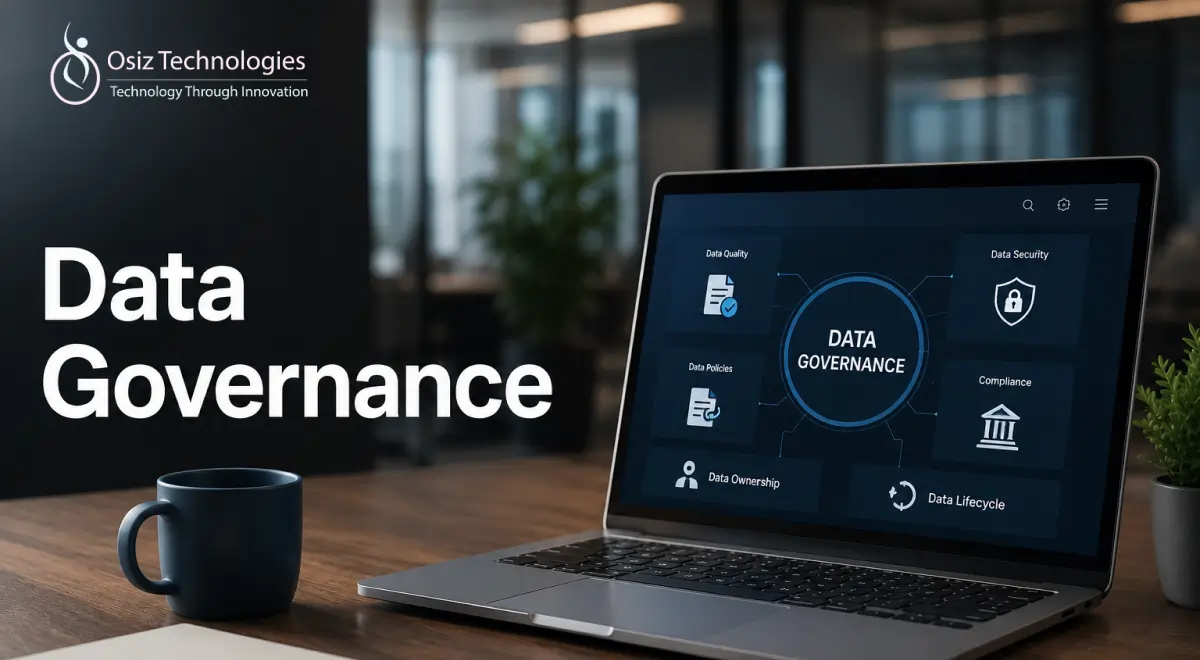
What is data governance?
Data governance is the data management discipline that focuses on the quality, security, and availability of an organization's data. It helps ensure that data is accurate, consistent, and accessible for decision-making processes. By defining and implementing standards, policies, and procedures, data governance programs help organizations achieve their goals while adhering to regulatory requirements. This includes setting guidelines for data formats, models, and usage, ensuring that all stakeholders understand the importance of maintaining high-quality data. Data governance also involves establishing roles and responsibilities within the organization, as well as auditing procedures to maintain transparency and accountability in data management practices.
Data governance vs. data management
Data governance is a subset of data management, which is the overarching practice of collecting, processing, and using data securely and efficiently to support strategic decision-making and improve business outcomes. While data management focuses on the technical aspects like storage, retrieval, and security, data governance delves deeper into ensuring that all these processes are conducted in compliance with organizational policies and regulatory requirements.
Data governance programs typically define a specific goal or set of goals, such as enhancing data quality, supporting compliance, or enabling data-driven decision-making. This involves setting guidelines for data formats, models, and standards to ensure consistency across the organization. Governance frameworks also establish roles and responsibilities for different stakeholders involved in managing these data assets.
In contrast, data management encompasses broader activities like data integration, normalization, and transformation. It ensures that data is consistently available, accurate, and accessible to all authorized users within an organization. Data governance programs often align with existing data management initiatives but provide a more strategic and regulatory focus on the quality and security of data.
Understanding this distinction helps organizations better allocate resources and prioritize efforts towards achieving their specific goals in managing and governing data effectively.
Data governance frameworks
A data governance framework details an organization's structures and processes for managing critical data assets. It defines data ownership and responsibilities and specifies how data should be handled to maintain data quality, security, and availability. These frameworks are essential tools in the management of organizational data, ensuring that all stakeholders understand their roles and responsibilities.
Data governance programs typically define specific goals or sets of goals, such as enhancing data quality, supporting compliance, enabling data-driven decision-making, or improving overall operational efficiency. By establishing clear guidelines for these objectives, organizations can ensure that their data is managed effectively across various departments and systems.
Central to any data governance framework are the standards, policies, and processes set by the organization. These include defining acceptable formats for data storage, ensuring consistency in how data is collected, processed, and utilized. Governance frameworks also specify roles and responsibilities within the organization, clarifying who is accountable for different aspects of data management.
Additionally, auditing procedures form a crucial component of governance frameworks. Regular or ongoing audits help maintain transparency and explainability, allowing stakeholders to track progress towards established goals and identify areas that need improvement. This not only enhances trust among users but also ensures compliance with regulatory requirements and best practices.
Benefits of Data Governance
Implementing a strong data governance framework can help organizations realize a wide variety of benefits. By ensuring that data is managed with quality, security, and availability at its core, data governance helps organizations achieve operational efficiency and compliance across various aspects of their business.
One significant benefit of data governance is the assurance it provides in terms of data quality. With clear guidelines on what constitutes good data, organizations can maintain a consistent standard throughout their operations, leading to more accurate insights and decisions. This not only improves internal processes but also enhances customer experiences by providing them with more reliable information.
Moreover, data security plays a crucial role in the success of any organization. A robust data governance framework includes tools and policies designed to protect sensitive information from unauthorized access or breaches. By establishing clear ownership and responsibilities for different types of data, organizations can better control who has access to what, thereby reducing risks associated with data misuse or theft.
In addition to these technical benefits, a well-implemented data governance program also contributes significantly to the overall security posture of an organization. This is particularly important in today’s digital landscape where cyber threats are becoming increasingly sophisticated and pervasive. By ensuring that all data-related activities are transparent and accountable, organizations can build trust with their stakeholders and regulators alike.
In summary, implementing a comprehensive data governance framework not only enhances operational efficiency but also fortifies security measures, making it an indispensable component for any organization aiming to thrive in today’s complex digital environment.
Challenges of data governance
Data governance initiatives often encounter a range of challenges that can hinder their effectiveness and impact on an organization's operations. One significant challenge is ensuring alignment between governance goals and business objectives. Organizations must navigate the complexities of aligning data governance efforts with broader strategic priorities, such as cost savings or revenue generation, to secure buy-in from all stakeholders.
Security remains another critical hurdle in implementing robust data governance strategies. Protecting sensitive information requires not only advanced security tools but also a comprehensive understanding of regulatory requirements and industry standards. Organizations must invest in both technology solutions like encryption and access controls, as well as training for employees on best practices for handling confidential data.
Organizations often face challenges related to organizational structure when establishing effective data governance programs. Data governance typically involves cross-functional collaboration across different departments, which can be difficult given the siloed nature of many organizations. Overcoming this barrier requires clear communication channels and a structured approach that defines roles and responsibilities clearly. Establishing dedicated teams or councils focused on data governance can also facilitate smoother implementation.
Finally, ensuring compliance with regulatory requirements is another significant challenge for data governance initiatives. Organizations must stay abreast of evolving regulations in areas such as privacy (e.g., GDPR), security, and industry-specific standards. This necessitates ongoing investment in training programs, auditing processes, and documentation to maintain compliance. Failure to adhere to these mandates can result in severe penalties and reputational damage.
Addressing these challenges requires a holistic approach that integrates technical solutions with organizational culture and governance structures. By proactively tackling these obstacles, organizations can build robust data governance frameworks that support their long-term strategic goals while safeguarding sensitive information.
Data governance best practices
Organizations must prioritize data governance as a critical component of their overall data management strategy to ensure that all stakeholders understand the importance of managing data effectively. Effective data governance not only enhances data quality, security, and availability but also supports compliance with regulatory requirements.
To implement robust data governance programs, organizations should establish clear policies and procedures. This includes defining roles and responsibilities for different teams involved in data management, such as IT departments, business units, and legal teams. By clearly delineating these roles, organizations can ensure that everyone understands their specific duties related to data governance.
In addition to setting up robust policies, it is essential to use the right tools to support data governance efforts. These tools should facilitate compliance with regulatory requirements, provide secure access controls, and enable efficient data management processes. Organizations often leverage enterprise resource planning (ERP) systems, data warehousing solutions, or dedicated data governance platforms that offer comprehensive features for monitoring and managing data throughout its lifecycle.
Regular auditing procedures are also crucial in maintaining the transparency of a data governance program. These audits help identify any deviations from established policies and ensure ongoing compliance with regulatory standards. By establishing clear audit trails and documentation processes, organizations can maintain accountability and explainability within their governance programs.
Ultimately, effective data governance requires collaboration across various departments and stakeholders. Regular communication channels should be maintained to keep everyone informed about the latest developments in data management practices and any changes to policies or procedures. This collaborative approach fosters a shared understanding of the importance of good data governance and ensures that all parties work towards common goals.
Listen To The Article

Founder & CEO Osiz Technologies
Mr. Thangapandi, the CEO of Osiz, has a proven track record of conceptualizing and architecting 100+ user-centric and scalable solutions for startups and enterprises. He brings a deep understanding of both technical and user experience aspects. The CEO, being an early adopter of new technology, said, \"I believe in the transformative power of AI to revolutionize industries and improve lives. My goal is to integrate AI in ways that not only enhance operational efficiency but also drive sustainable development and innovation.\" Proving his commitment, Mr. Thangapandi has built a dedicated team of AI experts proficient in coming up with innovative AI solutions and have successfully completed several AI projects across diverse sectors.
Recent Blogs



No 22,Astalakshmi Nagar, Thanakankullam, (Opp Seetha lakshmi Mill gate Bus stop) Thirunagar, Madurai - 625 006.
(Corporate Office)


Canada Office address, 1150, Rue Patrick, Laval, Quebec - H7Y 2C4, Canada.
(Sales Office)


Explore Our
AI Portfolio

 Artificial Intelligence
- AI Development
- AI Predictive Analytics Services
- AI SaaS Development
- RAG Development
- AI Assistant Development
- ChatGPT Development
- Data Analytics Services
- AI Copilot Development
- Adaptive AI Development
- Machine Learning Development
- NLP
- AI Consulting Services
- AI Software Builder
- AI Token Development
- AI Integration Services
- Enterprise AI Solution
- AI As a Service
- AI Marketing Tools
- AI Video Generator
- Computer Vision Services
- Explore AI
- Dataset
- Machine Learning in Healthcare
- Machine Learning in Retail
- Hire AI Engineers
- Hire Prompt Engineers
- Hire ChatGPT Developers
- Hire Stable Diffusion Developers
- Hire Action Transformer Developers
- Blockchain
- Blockchain Development
- Private Blockchain Development
- Smart Contract Development
- Custom Blockchain Development
- Solana Blockchain Development
- Polygon Blockchain Development
- Public Blockchain Development
- DAO Blockchain Development
- Binance Smart Chain (BSC) Blockchain Development
- DApp Development
- Solana DApp Development
- White Label Blockchain Solutions
- Custom Blockchain On Avalanche
- Custom Blockchain On Polygon
- Blockchain Game Development
- Blockchain Consulting Services
- Blockchain Explorer Development
- Ethereum Blockchain Development
- TRON Blockchain Development
- Prediction Market Platform Development Company
Layer 1 & 2 Solutions- Layer-1 Blockchain Development
- Cross Chain Bridge Development
- Data Availability Layer Development
- Ethereum Layer 2 Scaling Solutions
- Cross-L2 DEX Solution
- Layer 2 Token Development
- Layer 2 Token Marketing
- Layer 2 Cryptocurrency Development
- Layer 2 Solutions For Blockchain Games
- Layer 2 Solutions For Web3 Gaming
- Layer 2 Blockchain Solutions
- Rollups As A Service
- Optimistic Rollups Development
- ZK Tech Development
- Bitcoin Layer 2 Solutions
Crypto Exchange- Cryptocurrency Exchange Development
- White Label Crypto Exchange
- Decentralized Exchange Development
- P2P Exchange Development
- Crypto Derivatives Exchange Development
- Centralized Exchange Development
- Crypto Exchange Clone Script
- Cryptocurrency Exchange App Development
- OTC Exchange Development
- Exchange Listing Services
- Binance Like Exchange Development
- Bitstamp Like Exchange Development
- Crypto Exchange Script
CryptoCrypto WalletToken Standards- Token Development
- AI Token Development
- RWA Tokenization Development
- Coinremitter Clone Script
- Asset Tokenization
- Real Estate Tokenization
- Tokenization Platform Development
- Crypto ETF Development
- Solona Token Development
- Semi-Fungible Token Development
- BEP20 Token Development
- Ethereum Token Development
- ERC1400 Token Development
- ERC998 Token Development
- ERC 721 Token Development
- ERC20 Token Development
- Defi Token Development
- ERC1155 Token Development
- BEP721 Token Development
- Utility Token Development
- ERC 777 Token Development
- ERC 827 Token Development
- Social Token Development
- Metaverse Token Development
- Tron Token Development
- ERC404 Token Development
- Governance Token
- Shibarium Token
- polygon Token
- BRC-20
- TRC20 Token Development
- TRC10 Token Development
- Soulbound Token Development
- NFT Token Development
Trading BotsClone- Crypto Exchange Clone Script
- Binance Clone Script
- Metamask Clone Script
- Coinbase Clone Script
- Kucoin Clone Script
- Paxful Clone Script
- Remitano Clone Script
- Wazirx Clone Script
- ByBit Clone Script
- Bitfinex Clone Script
- MEXC Clone Script
- Bitget Clone Script
- Cointool App Clone Script
- Trust Wallet Clone App
- Coinmarketcap Clone Script
- Changelly Clone Script
- BingX Clone Script
CybersecurityApp SecurityDigital Forensics & Incident ResponseAudit & ConsultingEducation & TrainingSolutionsWeb 3DeFi- Decentralized Finance (DeFi) Development
- DeFi Lending/ Borrowing Platform Development
- DeFi Staking Platform Development
- DeFi Token Development
- DeFi Wallet Development
- DeFi Smart Contract Development
- DeFi DApp Development
- Decentralized Exchange Development
- DeFi Insurance Development
- DeFi Crypto Synthetic Assets Development
Game Development- Game Development
- Android Game Development
- IOS Game Development
- Metaverse Game Development
- VR Game Development
- AI Game Development
- Unity 3D Game Development
- Unreal Engine Game Development
- Mobile Game Development
- Blockchain Game Development
- NFT Game Development
- Play to Earn Game Development
- Move to Earn Game Development
- Casino Game Development
- Slot Game Development
- Poker Game Development
- AAA Game Development
- AR Game Development
- Social Network Game Development
- Gamification Services
- Decentralized Sports Betting Platform
- Sports Betting Dapp Development
- Blockchain Casino Game Development
- Game Asset Creation
- Baccarat Game Development
- Rollbit Clone Script
- Fortnite Clone Script
- Slot Game Development
- Tap to Earn Game Development
- Slot Game Development
Metaverse Platforms- Metaverse Game Development
- Metaverse Event Platform Development
- Metaverse Virtual Mall Development
- Metaverse NFT Marketplace Development
- Metaverse Token Development
- Metaverse Virtual Land Development
- Metaverse Avatar Development
- Metaverse 3d Space Development
- Metaverse Real Estate Development
- Metaverse Social Media Platform Development
- Top 10 Metaverse Development Company
- Metaverse Business Ideas
- Metaverse Launchpad Development
- Metaverse App Development
- Metaverse Casino Game Development
NFT SolutionsNFT Platforms- NFT Minting Development
- NFT Token Development
- NFT Exchange Platform Development
- NFT Launchpad Development
- NFT Fashion Marketplace Development
- NFT Art Marketplace Development
- NFT Music Marketplace Development
- Carbon Credits NFT Marketplace Development
- Binance NFT Marketplace Development
- Polygon NFT Marketplace Development
- Solana NFT Marketplace Development
- Influencers NFT Marketplace Development
- NFT Ticketing Marketplace Development
- DeFi NFT Marketplace Development
- NFT Fantasy Sports Platform Development
- NFT Storage Development
- NFT Lending Platform Development
- Top10 NFT Business Ideas
NFT Game ClonesSustainabilityServiceNow - Blog
- Contact Us
- Works