
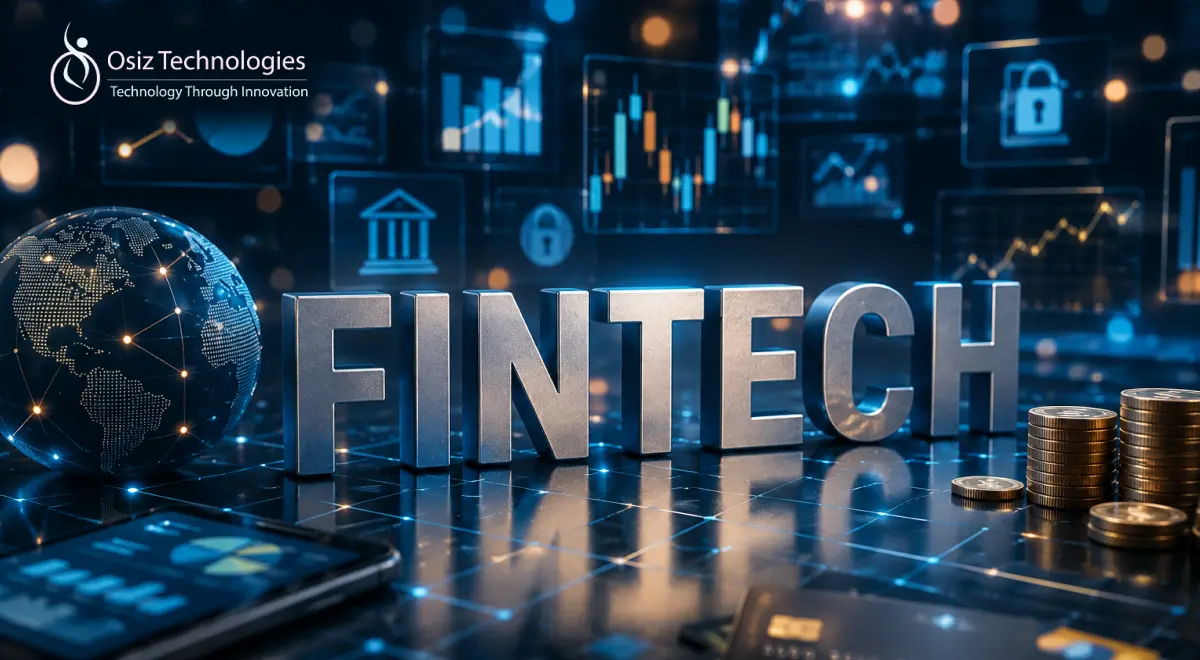
What is fintech?
Fintech, or financial technology, is a term that describes the mobile applications, software and other technology that enable users and enterprises to access and manage their finances digitally. It encompasses a wide range of products and services from online banking platforms to mobile payment systems, all designed to make financial transactions more convenient, secure, and efficient. Fintech not only streamlines traditional banking processes but also introduces new ways for customers to interact with their money, such as through peer-to-peer lending apps or investment platforms that connect individuals directly with investors.
The evolution of the term "fintech" has seen it evolve from a niche industry focused on technology-driven financial services to a broad category that now includes everything from robo-advisors and cryptocurrency exchanges to digital wallets and crowdfunding platforms. As smartphones have crept into more and more areas of our lives, many industries have felt pressure to digitize their capabilities and services, leading to an explosion in fintech innovations aimed at enhancing customer experience and operational efficiency for both consumers and financial institutions alike.
Why is fintech important?
As smartphones have crept into more and more areas of our lives, many industries have felt pressure to digitize more of their capabilities and services. From ride-hailing apps that allow us to book a car with just a few taps on our screens to refrigerators that can alert us when we’re running low on milk, technology has become an integral part of how we manage our daily routines. Financial institutions are no exception; they too have seen the need to digitize their services and products to better serve customers in this digital age.
Fintech products and services provide many tangible benefits to both consumers and businesses. For consumers, fintech innovations like mobile banking apps that allow for quick transactions and real-time account balances have made financial management more convenient and accessible. On the business side, fintech has enabled financial institutions to offer a wider range of services through digital platforms, making it easier for customers to access these services without having to physically visit branches or rely on outdated paper-based systems.
Moreover, as technology continues to advance, fintech products have also played a crucial role in improving customer experience and satisfaction. By providing more personalized and efficient financial solutions, fintech companies are helping financial institutions stay competitive and meet the evolving needs of their customers. This not only enhances customer loyalty but also opens up new avenues for growth within the industry while accelerating Digital Transformation in Fintech across global markets.
Benefits of fintech
Fintech products and services have revolutionized financial transactions by providing a plethora of innovative solutions that enhance convenience, efficiency, and security for both consumers and businesses. For consumers, fintech apps like mobile banking platforms offer real-time account balances, bill payments, and investment management tools—all accessible via smartphones or tablets. These digital interfaces not only streamline daily financial tasks but also make them more convenient and secure.
In the business world, fintech products have transformed traditional banking services into a suite of innovative solutions such as blockchain-based transactions for faster and cheaper cross-border payments, AI-driven fraud detection systems to protect against cyber threats, and robo-advisors that offer personalized investment advice with minimal human intervention. These advancements not only reduce operational costs but also improve customer satisfaction by offering tailored financial products and services.
Moreover, fintech has democratized access to financial services in underserved regions or for individuals who previously lacked traditional banking options. By leveraging technology, fintech companies can provide these populations with the tools they need to manage their finances effectively, thereby fostering economic growth and inclusion.
How does fintech work?
Almost all fintech is delivered to users in the form of an application that can be easily downloaded and used with a smartphone, tablet or PC. There are many different kinds of fintech applications, but they all rely on similar core technologies and processes. These include mobile payment systems, digital wallets, blockchain for secure transactions, AI-driven fraud detection tools, and APIs (application programming interfaces) to connect various financial services.
These apps use advanced algorithms and machine learning models to process vast amounts of data quickly and accurately, enabling users to manage their finances more efficiently. For instance, a user might be able to track spending across multiple accounts in real-time through an app, receive alerts for unusual transactions, or even automate savings by setting up automatic transfers.
Moreover, fintech products and services have transformed the way financial services are delivered, making them faster, cheaper, and often more convenient than traditional methods. They've also opened new avenues for innovation, such as peer-to-peer lending platforms that connect borrowers directly with lenders without the need for a middleman like a bank. As smartphones have crept into more and more areas of our lives, many industries have felt pressure to digitize more of their capabilities and services, leading to an explosion in fintech products and services. This growing demand has also fueled Fintech App Development, enabling businesses to deliver secure and user-friendly financial solutions across digital platforms.
Types of fintech
Fintech products and services are typically divided into five categories according to the kinds of functionality they provide: Digital banks, mobile applications, financial services, blockchain technology, and robo-advisors. Each category offers unique advantages that cater to different needs within the finance industry.
Digital banks represent a significant shift in how traditional banking operates. These digital-only banks leverage advanced technologies such as artificial intelligence (AI) and machine learning to offer users a seamless experience without physical branches. They often provide more personalized services, competitive interest rates, and 24/7 customer support through mobile applications or chatbots.
Mobile applications have become integral to fintech offerings, enabling users to manage their finances on-the-go with features like budgeting tools, investment apps, and digital wallets. These platforms not only streamline financial transactions but also offer insights into spending habits and opportunities for savings.
Financial services encompass a wide range of products that leverage technology to enhance traditional banking operations. This includes payment systems, insurance policies, and credit management solutions. By integrating these services with digital interfaces, fintech companies can provide users with more transparent and efficient ways to manage their finances.
Blockchain technology is another critical component in the fintech ecosystem. It underpins cryptocurrencies and enables secure transactions without intermediaries, reducing costs and increasing transparency. Fintech firms are exploring how blockchain can revolutionize sectors like supply chain finance, remittances, and cross-border payments by improving efficiency and security.
Robo-advisors represent a new frontier in financial services, particularly for individual investors who seek personalized investment advice but lack the time or expertise to manage their portfolios manually. These platforms use algorithms to analyze user data, preferences, and risk tolerance to recommend suitable investment options, often at lower costs than traditional advisory services.
In summary, fintech encompasses a diverse array of technologies that are transforming how financial services are delivered. Each category brings its unique benefits
Fintech and AI
Like many other industries, the rise of new technologies, especially artificial intelligence (AI) and machine learning (ML), are having a significant influence on fintech. Mobile applications that leverage AI in Fintech have become essential tools for both consumers and banking institutions in achieving their financial goals. These advancements allow users to navigate complex financial landscapes with greater ease and accuracy, making it easier to manage budgets, track expenses, and make informed investment decisions.
In the realm of mobile banking, AI-powered chatbots are transforming customer service by providing instant assistance around the clock. They can answer queries about account balances, transaction histories, or even offer personalized financial advice based on user data and trends. This not only improves accessibility but also enhances the overall experience for customers who prefer digital interactions over traditional bank visits.
Moreover, AI algorithms have revolutionized risk management within the industry by predicting market volatility and identifying potential fraud more accurately than ever before. This predictive capability is crucial for banks to maintain robust security measures while ensuring smooth operations. As a result, fintech companies are continually pushing the boundaries of what's possible in financial services, making them indispensable partners in navigating today’s digital economy.
Listen To The Article

Founder & CEO Osiz Technologies
Mr. Thangapandi, the CEO of Osiz, has a proven track record of conceptualizing and architecting 100+ user-centric and scalable solutions for startups and enterprises. He brings a deep understanding of both technical and user experience aspects. The CEO, being an early adopter of new technology, said, \"I believe in the transformative power of AI to revolutionize industries and improve lives. My goal is to integrate AI in ways that not only enhance operational efficiency but also drive sustainable development and innovation.\" Proving his commitment, Mr. Thangapandi has built a dedicated team of AI experts proficient in coming up with innovative AI solutions and have successfully completed several AI projects across diverse sectors.
Recent Blogs



No 22,Astalakshmi Nagar, Thanakankullam, (Opp Seetha lakshmi Mill gate Bus stop) Thirunagar, Madurai - 625 006.
(Corporate Office)


Canada Office address, 1150, Rue Patrick, Laval, Quebec - H7Y 2C4, Canada.
(Sales Office)


Explore Our
AI Portfolio

 Artificial Intelligence
- AI Development
- AI Predictive Analytics Services
- AI SaaS Development
- RAG Development
- AI Assistant Development
- ChatGPT Development
- Data Analytics Services
- AI Copilot Development
- Adaptive AI Development
- Machine Learning Development
- NLP
- AI Consulting Services
- AI Software Builder
- AI Token Development
- AI Integration Services
- Enterprise AI Solution
- AI As a Service
- AI Marketing Tools
- AI Video Generator
- Computer Vision Services
- Explore AI
- Dataset
- Machine Learning in Healthcare
- Machine Learning in Retail
- Hire AI Engineers
- Hire Prompt Engineers
- Hire ChatGPT Developers
- Hire Stable Diffusion Developers
- Hire Action Transformer Developers
- Blockchain
- Blockchain Development
- Private Blockchain Development
- Smart Contract Development
- Custom Blockchain Development
- Solana Blockchain Development
- Polygon Blockchain Development
- Public Blockchain Development
- DAO Blockchain Development
- Binance Smart Chain (BSC) Blockchain Development
- DApp Development
- Solana DApp Development
- White Label Blockchain Solutions
- Custom Blockchain On Avalanche
- Custom Blockchain On Polygon
- Blockchain Game Development
- Blockchain Consulting Services
- Blockchain Explorer Development
- Ethereum Blockchain Development
- TRON Blockchain Development
- Prediction Market Platform Development Company
Layer 1 & 2 Solutions- Layer-1 Blockchain Development
- Cross Chain Bridge Development
- Data Availability Layer Development
- Ethereum Layer 2 Scaling Solutions
- Cross-L2 DEX Solution
- Layer 2 Token Development
- Layer 2 Token Marketing
- Layer 2 Cryptocurrency Development
- Layer 2 Solutions For Blockchain Games
- Layer 2 Solutions For Web3 Gaming
- Layer 2 Blockchain Solutions
- Rollups As A Service
- Optimistic Rollups Development
- ZK Tech Development
- Bitcoin Layer 2 Solutions
Crypto Exchange- Cryptocurrency Exchange Development
- White Label Crypto Exchange
- Decentralized Exchange Development
- P2P Exchange Development
- Crypto Derivatives Exchange Development
- Centralized Exchange Development
- Crypto Exchange Clone Script
- Cryptocurrency Exchange App Development
- OTC Exchange Development
- Exchange Listing Services
- Binance Like Exchange Development
- Bitstamp Like Exchange Development
- Crypto Exchange Script
CryptoCrypto WalletToken Standards- Token Development
- AI Token Development
- RWA Tokenization Development
- Coinremitter Clone Script
- Asset Tokenization
- Real Estate Tokenization
- Tokenization Platform Development
- Crypto ETF Development
- Solona Token Development
- Semi-Fungible Token Development
- BEP20 Token Development
- Ethereum Token Development
- ERC1400 Token Development
- ERC998 Token Development
- ERC 721 Token Development
- ERC20 Token Development
- Defi Token Development
- ERC1155 Token Development
- BEP721 Token Development
- Utility Token Development
- ERC 777 Token Development
- ERC 827 Token Development
- Social Token Development
- Metaverse Token Development
- Tron Token Development
- ERC404 Token Development
- Governance Token
- Shibarium Token
- polygon Token
- BRC-20
- TRC20 Token Development
- TRC10 Token Development
- Soulbound Token Development
- NFT Token Development
Trading BotsClone- Crypto Exchange Clone Script
- Binance Clone Script
- Metamask Clone Script
- Coinbase Clone Script
- Kucoin Clone Script
- Paxful Clone Script
- Remitano Clone Script
- Wazirx Clone Script
- ByBit Clone Script
- Bitfinex Clone Script
- MEXC Clone Script
- Bitget Clone Script
- Cointool App Clone Script
- Trust Wallet Clone App
- Coinmarketcap Clone Script
- Changelly Clone Script
- BingX Clone Script
CybersecurityApp SecurityDigital Forensics & Incident ResponseAudit & ConsultingEducation & TrainingSolutionsWeb 3DeFi- Decentralized Finance (DeFi) Development
- DeFi Lending/ Borrowing Platform Development
- DeFi Staking Platform Development
- DeFi Token Development
- DeFi Wallet Development
- DeFi Smart Contract Development
- DeFi DApp Development
- Decentralized Exchange Development
- DeFi Insurance Development
- DeFi Crypto Synthetic Assets Development
Game Development- Game Development
- Android Game Development
- IOS Game Development
- Metaverse Game Development
- VR Game Development
- AI Game Development
- Unity 3D Game Development
- Unreal Engine Game Development
- Mobile Game Development
- Blockchain Game Development
- NFT Game Development
- Play to Earn Game Development
- Move to Earn Game Development
- Casino Game Development
- Slot Game Development
- Poker Game Development
- AAA Game Development
- AR Game Development
- Social Network Game Development
- Gamification Services
- Decentralized Sports Betting Platform
- Sports Betting Dapp Development
- Blockchain Casino Game Development
- Game Asset Creation
- Baccarat Game Development
- Rollbit Clone Script
- Fortnite Clone Script
- Slot Game Development
- Tap to Earn Game Development
- Slot Game Development
Metaverse Platforms- Metaverse Game Development
- Metaverse Event Platform Development
- Metaverse Virtual Mall Development
- Metaverse NFT Marketplace Development
- Metaverse Token Development
- Metaverse Virtual Land Development
- Metaverse Avatar Development
- Metaverse 3d Space Development
- Metaverse Real Estate Development
- Metaverse Social Media Platform Development
- Top 10 Metaverse Development Company
- Metaverse Business Ideas
- Metaverse Launchpad Development
- Metaverse App Development
- Metaverse Casino Game Development
NFT SolutionsNFT Platforms- NFT Minting Development
- NFT Token Development
- NFT Exchange Platform Development
- NFT Launchpad Development
- NFT Fashion Marketplace Development
- NFT Art Marketplace Development
- NFT Music Marketplace Development
- Carbon Credits NFT Marketplace Development
- Binance NFT Marketplace Development
- Polygon NFT Marketplace Development
- Solana NFT Marketplace Development
- Influencers NFT Marketplace Development
- NFT Ticketing Marketplace Development
- DeFi NFT Marketplace Development
- NFT Fantasy Sports Platform Development
- NFT Storage Development
- NFT Lending Platform Development
- Top10 NFT Business Ideas
NFT Game ClonesSustainabilityServiceNow - Blog
- Contact Us
- Works