
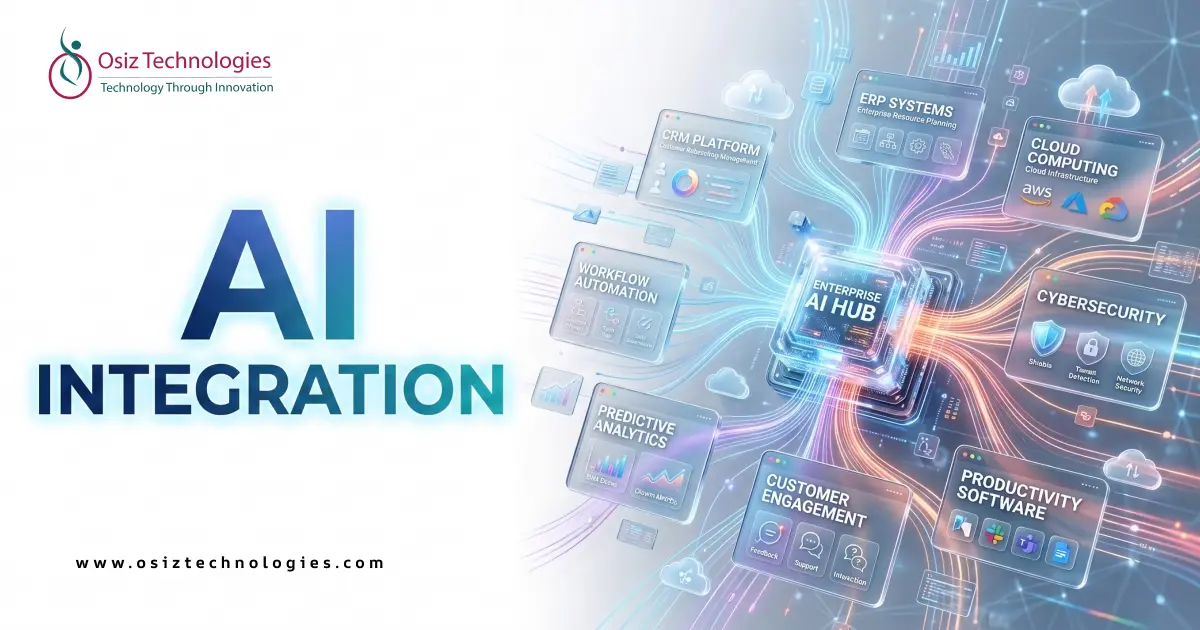
In the rapidly evolving landscape of artificial intelligence, the Model Context Protocol (MCP) emerges as a pivotal standard, enabling seamless integration between AI agents and business tools. This article delves into the intricacies of MCP, its benefits for businesses, and practical implementation strategies. By understanding how MCP can enhance business efficiency, organizations can leverage AI to optimize operations and drive growth.
What is the Model Context Protocol (MCP)?
The Model Context Protocol is a framework designed to facilitate communication and interaction between AI agents and various business tools. It standardizes the way these entities exchange information, ensuring that AI systems can effectively interpret and utilize data from different sources. This protocol is essential for businesses looking to harness the power of AI in a structured and efficient manner.
Why is MCP Important for Businesses?
As businesses increasingly adopt AI technologies, the need for standardized communication becomes paramount. MCP addresses this need by providing a uniform method for AI agents to interact with business tools, thereby enhancing data consistency and reliability. This standardization not only streamlines operations but also reduces the risk of errors that can arise from miscommunication between systems.
Benefits of Implementing MCP
-
Enhanced Integration: MCP allows for smoother integration of AI agents with existing business tools, making it easier to deploy AI solutions without overhauling current systems.
-
Improved Data Utilization: By standardizing data exchange, businesses can leverage insights from various tools more effectively, leading to better decision-making.
-
Increased Efficiency: With clear communication protocols, AI agents can operate more efficiently, reducing the time spent on data processing and analysis.
How to Implement the Model Context Protocol
Implementing MCP involves several key steps:
-
Assessment of Current Systems: Evaluate existing business tools and identify areas where MCP can be integrated.
-
Training AI Agents: Ensure that AI agents are trained to understand and utilize the MCP framework effectively.
-
Testing and Iteration: Conduct thorough testing to identify any issues and refine the integration process.
MCP Use Cases in Business
Various industries can benefit from MCP, including:
-
E-commerce: Streamlining customer interactions and inventory management through AI-driven chatbots.
-
Healthcare: Enhancing patient data management and diagnostics with AI analysis.
-
Finance: Automating reporting and compliance checks through AI integration with financial tools.
MCP vs Traditional Protocols
Unlike traditional protocols, which may lack standardization, MCP offers a cohesive framework that addresses the unique challenges of AI integration. This leads to greater interoperability between systems, allowing businesses to adapt more swiftly to technological advancements.
AI Tools for Business Optimization
With MCP, businesses can utilize a variety of AI tools, including:
-
Predictive Analytics: Tools that forecast trends based on historical data.
-
Natural Language Processing: Enabling AI to understand and respond to human language effectively.
-
Automation Solutions: Streamlining repetitive tasks to free up human resources for more strategic initiatives.
The Future of AI in Business
The integration of MCP into business operations signifies a shift towards more intelligent and automated processes. As AI continues to evolve, businesses that adopt these standards will be better positioned to leverage new technologies and maintain a competitive edge.
MCP and Data Privacy
Data privacy is a critical concern in the age of AI. MCP helps address these issues by ensuring that data exchange between AI agents and business tools adheres to established privacy standards. This not only protects sensitive information but also builds trust with customers.
Conclusion: Embracing the Model Context Protocol
As AI continues to become a core part of modern business operations, adopting the Model Context Protocol (MCP) can help organizations create more connected, efficient, and intelligent workflows. By establishing a standardized way for AI agents to interact with business tools and data sources, MCP enables better automation, streamlined operations, and more informed decision-making that supports long-term business growth.
Businesses looking to unlock the full potential of MCP can benefit from the right technical expertise. As a trusted AI development company, Osiz helps organizations implement intelligent AI solutions that integrate seamlessly with existing systems, enabling secure, scalable, and future-ready AI ecosystems.
Listen To The Article

Founder & CEO Osiz Technologies
Mr. Thangapandi, the CEO of Osiz, has a proven track record of conceptualizing and architecting 100+ user-centric and scalable solutions for startups and enterprises. He brings a deep understanding of both technical and user experience aspects. The CEO, being an early adopter of new technology, said, "I believe in the transformative power of AI to revolutionize industries and improve lives. My goal is to integrate AI in ways that not only enhance operational efficiency but also drive sustainable development and innovation." Proving his commitment, Mr. Thangapandi has built a dedicated team of AI experts proficient in coming up with innovative AI solutions and have successfully completed several AI projects across diverse sectors.
Recent Blogs




No 22,Astalakshmi Nagar, Thanakankullam, (Opp Seetha lakshmi Mill gate Bus stop) Thirunagar, Madurai - 625 006.
(Corporate Office)


Canada Office address, 1150, Rue Patrick, Laval, Quebec - H7Y 2C4, Canada.
(Sales Office)


Halloween
Offers

 Artificial Intelligence
- AI Development
- AI Predictive Analytics Services
- AI SaaS Development
- RAG Development
- AI Assistant Development
- ChatGPT Development
- Data Analytics Services
- AI Copilot Development
- Adaptive AI Development
- Machine Learning Development
- NLP
- AI Consulting Services
- AI Software Builder
- AI Token Development
- AI Integration Services
- Enterprise AI Solution
- AI As a Service
- AI Marketing Tools
- AI Video Generator
- Computer Vision Services
- Explore AI
- Dataset
- Machine Learning in Healthcare
- Machine Learning in Retail
- Hire AI Engineers
- Hire Prompt Engineers
- Hire ChatGPT Developers
- Hire Stable Diffusion Developers
- Hire Action Transformer Developers
- Blockchain
- Blockchain Development
- Private Blockchain Development
- Smart Contract Development
- Custom Blockchain Development
- Solana Blockchain Development
- Polygon Blockchain Development
- Public Blockchain Development
- DAO Blockchain Development
- Binance Smart Chain (BSC) Blockchain Development
- DApp Development
- Solana DApp Development
- White Label Blockchain Solutions
- Custom Blockchain On Avalanche
- Custom Blockchain On Polygon
- Blockchain Game Development
- Blockchain Consulting Services
- Blockchain Explorer Development
- Ethereum Blockchain Development
- TRON Blockchain Development
- Prediction Market Platform Development Company
Layer 1 & 2 Solutions- Layer-1 Blockchain Development
- Cross Chain Bridge Development
- Data Availability Layer Development
- Ethereum Layer 2 Scaling Solutions
- Cross-L2 DEX Solution
- Layer 2 Token Development
- Layer 2 Token Marketing
- Layer 2 Cryptocurrency Development
- Layer 2 Solutions For Blockchain Games
- Layer 2 Solutions For Web3 Gaming
- Layer 2 Blockchain Solutions
- Rollups As A Service
- Optimistic Rollups Development
- ZK Tech Development
- Bitcoin Layer 2 Solutions
Crypto Exchange- Cryptocurrency Exchange Development
- White Label Crypto Exchange
- Decentralized Exchange Development
- P2P Exchange Development
- Crypto Derivatives Exchange Development
- Centralized Exchange Development
- Crypto Exchange Clone Script
- Cryptocurrency Exchange App Development
- OTC Exchange Development
- Exchange Listing Services
- Binance Like Exchange Development
- Bitstamp Like Exchange Development
- Crypto Exchange Script
CryptoCrypto WalletToken Standards- Token Development
- AI Token Development
- RWA Tokenization Development
- Coinremitter Clone Script
- Asset Tokenization
- Real Estate Tokenization
- Tokenization Platform Development
- Crypto ETF Development
- Solona Token Development
- Semi-Fungible Token Development
- BEP20 Token Development
- Ethereum Token Development
- ERC1400 Token Development
- ERC998 Token Development
- ERC 721 Token Development
- ERC20 Token Development
- Defi Token Development
- ERC1155 Token Development
- BEP721 Token Development
- Utility Token Development
- ERC 777 Token Development
- ERC 827 Token Development
- Social Token Development
- Metaverse Token Development
- Tron Token Development
- ERC404 Token Development
- Governance Token
- Shibarium Token
- polygon Token
- BRC-20
- TRC20 Token Development
- TRC10 Token Development
- Soulbound Token Development
- NFT Token Development
Trading BotsClone- Crypto Exchange Clone Script
- Binance Clone Script
- Metamask Clone Script
- Coinbase Clone Script
- Kucoin Clone Script
- Paxful Clone Script
- Remitano Clone Script
- Wazirx Clone Script
- ByBit Clone Script
- Bitfinex Clone Script
- MEXC Clone Script
- Bitget Clone Script
- Cointool App Clone Script
- Trust Wallet Clone App
- Coinmarketcap Clone Script
- Changelly Clone Script
- BingX Clone Script
CybersecurityApp SecurityDigital Forensics & Incident ResponseAudit & ConsultingEducation & TrainingSolutionsWeb 3DeFi- Decentralized Finance (DeFi) Development
- DeFi Lending/ Borrowing Platform Development
- DeFi Staking Platform Development
- DeFi Token Development
- DeFi Wallet Development
- DeFi Smart Contract Development
- DeFi DApp Development
- Decentralized Exchange Development
- DeFi Insurance Development
- DeFi Crypto Synthetic Assets Development
Game Development- Game Development
- Android Game Development
- IOS Game Development
- Metaverse Game Development
- VR Game Development
- AI Game Development
- Unity 3D Game Development
- Unreal Engine Game Development
- Mobile Game Development
- Blockchain Game Development
- NFT Game Development
- Play to Earn Game Development
- Move to Earn Game Development
- Casino Game Development
- Slot Game Development
- Poker Game Development
- AAA Game Development
- AR Game Development
- Social Network Game Development
- Gamification Services
- Decentralized Sports Betting Platform
- Sports Betting Dapp Development
- Blockchain Casino Game Development
- Game Asset Creation
- Baccarat Game Development
- Rollbit Clone Script
- Fortnite Clone Script
- Slot Game Development
- Tap to Earn Game Development
- Slot Game Development
Metaverse Platforms- Metaverse Game Development
- Metaverse Event Platform Development
- Metaverse Virtual Mall Development
- Metaverse NFT Marketplace Development
- Metaverse Token Development
- Metaverse Virtual Land Development
- Metaverse Avatar Development
- Metaverse 3d Space Development
- Metaverse Real Estate Development
- Metaverse Social Media Platform Development
- Top 10 Metaverse Development Company
- Metaverse Business Ideas
- Metaverse Launchpad Development
- Metaverse App Development
- Metaverse Casino Game Development
NFT SolutionsNFT Platforms- NFT Minting Development
- NFT Token Development
- NFT Exchange Platform Development
- NFT Launchpad Development
- NFT Fashion Marketplace Development
- NFT Art Marketplace Development
- NFT Music Marketplace Development
- Carbon Credits NFT Marketplace Development
- Binance NFT Marketplace Development
- Polygon NFT Marketplace Development
- Solana NFT Marketplace Development
- Influencers NFT Marketplace Development
- NFT Ticketing Marketplace Development
- DeFi NFT Marketplace Development
- NFT Fantasy Sports Platform Development
- NFT Storage Development
- NFT Lending Platform Development
- Top10 NFT Business Ideas
NFT Game ClonesSustainabilityServiceNow - Blog
- Contact Us
- Works