
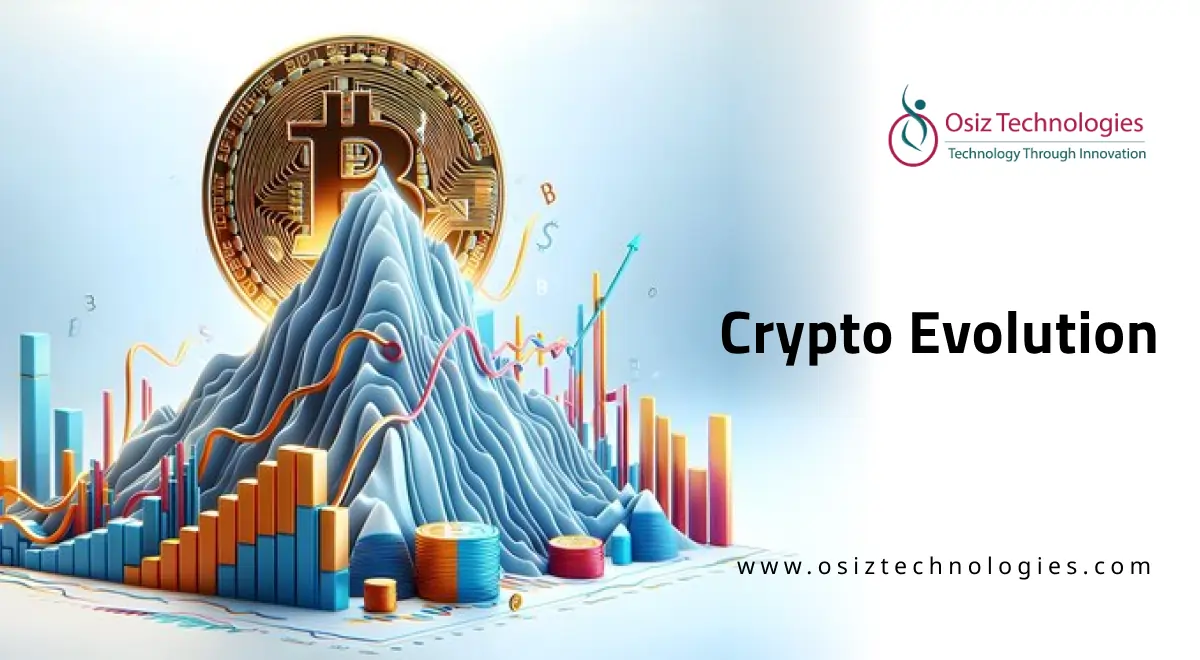
As we approach 2030, the landscape of tokenomics is evolving rapidly, shaping the very foundation of the intelligence economy. This article delves into the intricate relationship between tokenomics and the emerging digital economy, exploring strategies, trends, and the profound impact of decentralized finance (DeFi). With insights into case studies and the regulatory landscape, we aim to provide a comprehensive overview of what the future holds for tokenomics.
The Rise of the Intelligence Economy
The intelligence economy is characterized by the integration of artificial intelligence, big data, and blockchain technologies. This convergence creates new opportunities for businesses and individuals, enabling smarter decision-making and more efficient resource allocation. Tokenomics plays a pivotal role in this ecosystem, facilitating transactions and incentivizing participation.
Tokenomics Strategies for 2030
As we look to the future, several strategies are emerging in the realm of tokenomics. These include:
Incentive Structures: Designing tokens that reward user engagement and loyalty.
Governance Models: Implementing decentralized governance to enhance transparency and trust.
Interoperability: Ensuring tokens can interact across different blockchain platforms.
These strategies will be essential for fostering a robust tokenomics framework that supports the intelligence economy.
Emerging Trends in Blockchain Tokenomics
Several trends are shaping the future of tokenomics as we approach 2030. Governments are beginning to establish clearer guidelines for token issuance and trading, while eco-friendly tokens are gaining popularity as environmental concerns rise. At the same time, the synergy between tokenomics and decentralized finance (DeFi) is expected to grow, enhancing liquidity and accessibility.
These trends highlight the dynamic nature of tokenomics and its capacity to adapt to changing market demands.
Economic Impact of Tokenomics
The impact of tokenomics on the economy is profound. By enabling new business models and revenue streams, tokenomics fosters innovation and economic growth. For instance, tokenized assets can democratize access to investment opportunities, allowing individuals to invest in real estate, art, and other traditionally illiquid assets.
Real-World Applications of Tokenomics
Examining real-world examples can provide valuable insights into the effectiveness of various tokenomics models. Ethereum's ERC-20 token standard has revolutionized fundraising through Initial Coin Offerings (ICOs), while Chainlink's decentralized oracle network showcases how tokenomics can enhance data reliability in smart contracts.
These case studies illustrate the diverse applications of tokenomics and its potential to drive innovation.
Key Factors in Tokenomics Evaluation
For investors, understanding tokenomics is essential for making informed decisions. Key considerations include:
Token Utility: Assessing the practical use of a token within its ecosystem.
Market Demand: Analyzing supply and demand dynamics to gauge potential value.
Team and Community: Evaluating the credibility and expertise of the development team and community support.
By focusing on these factors, investors can better navigate the complexities of the tokenomics landscape.
Tokenomics in Startup Ecosystems
Startups can leverage tokenomics to fuel growth and attract investment. By creating a well-defined token model, startups can raise capital through token sales, build loyal communities through user incentives, and enhance product offerings by using tokens to unlock features or services.
Implementing effective tokenomics strategies can set startups on a path to success. However, turning these strategies into a functional ecosystem requires careful planning of token utility, supply distribution, and the underlying blockchain infrastructure.
Regulatory Considerations in Tokenomics
As the tokenomics landscape evolves, so does the regulatory environment. Governments are increasingly focused on creating frameworks that protect investors while fostering innovation. Understanding these regulations is crucial for anyone involved in tokenomics, as compliance can significantly impact a project's success.
Tokenomics Models and Economic Design
Various tokenomics models exist, each with its unique characteristics. Utility tokens provide access to products or services, security tokens represent ownership in an asset and are subject to regulation, while governance tokens allow holders to participate in decision-making processes.
Choosing the right model is essential for aligning with business goals and regulatory requirements. Beyond selecting a token model, businesses must also consider how its utility, distribution, and economic structure will be implemented within the blockchain ecosystem.
Tokenomics Whitepapers and Project Planning
A well-crafted whitepaper is a cornerstone of any tokenomics project. It outlines the project's vision, technology, and economic model, serving as a roadmap for investors and stakeholders. A clear and transparent whitepaper can enhance credibility and attract interest while defining token utility, distribution mechanisms, and the technical requirements for implementation.
Tokenomics Consulting and Development Support
As the demand for expertise in tokenomics grows, consulting services are becoming increasingly valuable. These services can help businesses design token models aligned with their objectives, navigate applicable regulations, and conduct market analysis to understand industry trends and investor behavior.
Investing in consulting can provide a competitive edge in the rapidly evolving tokenomics landscape. A well-defined tokenomics strategy also provides the foundation for token creation, smart contract implementation, and blockchain integration.
Final Thoughts
As we approach 2030, tokenomics will play an important role in shaping the intelligence economy through digital assets, decentralized platforms, and emerging business models. Token utility, governance, interoperability, and DeFi integration will create new opportunities for businesses and startups to build sustainable blockchain ecosystems.
However, successful token ecosystems require well-defined economic models, secure smart contracts, scalable blockchain infrastructure, and appropriate regulatory considerations. Addressing these factors is essential for supporting long-term growth and practical adoption.
As the digital economy continues to advance, Osiz Technologies, a Token Development Company, focuses on building customized token solutions through token creation, smart contract development, and blockchain integration, helping businesses turn their tokenomics strategies into functional blockchain solutions.
Listen To The Article

Founder & CEO Osiz Technologies
Mr. Thangapandi, the CEO of Osiz, has a proven track record of conceptualizing and architecting 100+ user-centric and scalable solutions for startups and enterprises. He brings a deep understanding of both technical and user experience aspects. The CEO, being an early adopter of new technology, said, \"I believe in the transformative power of AI to revolutionize industries and improve lives. My goal is to integrate AI in ways that not only enhance operational efficiency but also drive sustainable development and innovation.\" Proving his commitment, Mr. Thangapandi has built a dedicated team of AI experts proficient in coming up with innovative AI solutions and have successfully completed several AI projects across diverse sectors.
Recent Blogs



No 22,Astalakshmi Nagar, Thanakankullam, (Opp Seetha lakshmi Mill gate Bus stop) Thirunagar, Madurai - 625 006.
(Corporate Office)


Canada Office address, 1150, Rue Patrick, Laval, Quebec - H7Y 2C4, Canada.
(Sales Office)


Meydan Grandstand, 6th floor, Meydan Road, Nad Al Sheba, Dubai, U.A.E.
(Sales Office)


 Artificial Intelligence
- AI Development
- AI Predictive Analytics Services
- AI SaaS Development
- RAG Development
- AI Assistant Development
- ChatGPT Development
- Data Analytics Services
- AI Copilot Development
- Adaptive AI Development
- Machine Learning Development
- NLP
- AI Consulting Services
- AI Software Builder
- AI Token Development
- AI Integration Services
- AI Agent Bots
- Enterprise AI Solution
- AI As a Service
- AI Marketing Tools
- AI Video Generator
- Computer Vision Services
- Explore AI
- Dataset
- Machine Learning in Healthcare
- Machine Learning in Retail
- Hire AI Engineers
- Hire Prompt Engineers
- Hire ChatGPT Developers
- Hire Stable Diffusion Developers
- Hire Action Transformer Developers
Portfolio- AI Agriculture
- AI Healthcare
- NLP Services
- AI Brainstorming Tool
- Academic AI
- AI Dermatologist Software
- Best AI Tools
- Artificial Influencer Generator
- AI E-Learning Software
- AI Agriculture Software
- Generative AI Tool
- AI Assistant
- AI Sales Agent
- Intelligence OS For Medical Imaging
- Intelligence OS For Diagnosis Systems
- Intelligence OS For Control Systems
- Intelligence OS For Dialog Systems
- Intelligence OS For Health Management Systems
- Intelligence OS For Chat-Bots
- Intelligence OS For Crypto API
- Intelligence OS For Autocomplete In Search Engines
- Intelligence OS For CCTV To AI Camera
- Intelligence OS For Object Detection
- Intelligence OS For Voice Assistants
- Intelligence OS For Language
- Intelligence OS For Autonomous Vehicles
- Intelligence OS For Educational Assistant
- Intelligence OS For KYT
- Intelligence OS For Recommendation System
- Intelligence OS For Prediction System
- Intelligence OS For Finance
- Intelligence Fourier Transform Analysis
- AI Arbitrage Bot
- Intelligence OS For Multi-Lingual Assistant
- Blockchain
- Blockchain Development
- Private Blockchain Development
- Smart Contract Development
- Custom Blockchain Development
- Solana Blockchain Development
- Polygon Blockchain Development
- Public Blockchain Development
- DAO Blockchain Development
- Binance Smart Chain (BSC) Blockchain Development
- DApp Development
- Solana DApp Development
- White Label Blockchain Solutions
- Custom Blockchain On Avalanche
- Custom Blockchain On Polygon
- Blockchain Game Development
- Blockchain Consulting Services
- Blockchain Explorer Development
- Ethereum Blockchain Development
- TRON Blockchain Development
- Prediction Market Platform Development Company
Layer 1 & 2 Solutions- Layer-1 Blockchain Development
- Cross Chain Bridge Development
- Data Availability Layer Development
- Ethereum Layer 2 Scaling Solutions
- Cross-L2 DEX Solution
- Layer 2 Token Development
- Layer 2 Token Marketing
- Layer 2 Cryptocurrency Development
- Layer 2 Solutions For Blockchain Games
- Layer 2 Solutions For Web3 Gaming
- Layer 2 Blockchain Solutions
- Rollups As A Service
- Optimistic Rollups Development
- ZK Tech Development
- Bitcoin Layer 2 Solutions
Crypto Exchange- Cryptocurrency Exchange Development
- White Label Crypto Exchange
- Decentralized Exchange Development
- P2P Exchange Development
- Crypto Derivatives Exchange Development
- Centralized Exchange Development
- Crypto Exchange Clone Script
- Cryptocurrency Exchange App Development
- OTC Exchange Development
- Exchange Listing Services
- Binance Like Exchange Development
- Bitstamp Like Exchange Development
- Crypto Exchange Script
CryptoCrypto WalletToken Standards- Token Development
- AI Token Development
- Coinremitter Clone Script
- Tokenization Platform Development
- Crypto ETF Development
- Solona Token Development
- Semi-Fungible Token Development
- BEP20 Token Development
- Ethereum Token Development
- ERC1400 Token Development
- ERC998 Token Development
- ERC 721 Token Development
- ERC20 Token Development
- Defi Token Development
- ERC1155 Token Development
- BEP721 Token Development
- Utility Token Development
- ERC 777 Token Development
- ERC 827 Token Development
- Social Token Development
- Metaverse Token Development
- Tron Token Development
- ERC404 Token Development
- Governance Token
- Shibarium Token
- polygon Token
- BRC-20
- TRC20 Token Development
- TRC10 Token Development
- Soulbound Token Development
- NFT Token Development
Trading BotsClone- Crypto Exchange Clone Script
- Binance Clone Script
- Metamask Clone Script
- Coinbase Clone Script
- Kucoin Clone Script
- Paxful Clone Script
- Remitano Clone Script
- Wazirx Clone Script
- ByBit Clone Script
- Bitfinex Clone Script
- MEXC Clone Script
- Bitget Clone Script
- Cointool App Clone Script
- Trust Wallet Clone App
- Coinmarketcap Clone Script
- Changelly Clone Script
- BingX Clone Script
CybersecurityApp SecurityDigital Forensics & Incident ResponseAudit & ConsultingEducation & TrainingSolutionsWeb 3DeFi- Decentralized Finance (DeFi) Development
- DeFi Lending/ Borrowing Platform Development
- DeFi Staking Platform Development
- DeFi Token Development
- DeFi Wallet Development
- DeFi Smart Contract Development
- DeFi DApp Development
- Decentralized Exchange Development
- DeFi Insurance Development
- DeFi Crypto Synthetic Assets Development
Game Development- Game Development
- Android Game Development
- IOS Game Development
- Metaverse Game Development
- VR Game Development
- AI Game Development
- Unity 3D Game Development
- Unreal Engine Game Development
- Mobile Game Development
- Blockchain Game Development
- NFT Game Development
- Play to Earn Game Development
- Move to Earn Game Development
- Casino Game Development
- Slot Game Development
- Poker Game Development
- AAA Game Development
- AR Game Development
- Social Network Game Development
- Gamification Services
- Decentralized Sports Betting Platform
- Sports Betting Dapp Development
- Blockchain Casino Game Development
- Game Asset Creation
- Baccarat Game Development
- Rollbit Clone Script
- Fortnite Clone Script
- Slot Game Development
- Tap to Earn Game Development
- Slot Game Development
Metaverse Platforms- Metaverse Game Development
- Metaverse Event Platform Development
- Metaverse Virtual Mall Development
- Metaverse NFT Marketplace Development
- Metaverse Token Development
- Metaverse Virtual Land Development
- Metaverse Avatar Development
- Metaverse 3d Space Development
- Metaverse Real Estate Development
- Metaverse Social Media Platform Development
- Top 10 Metaverse Development Company
- Metaverse Business Ideas
- Metaverse Launchpad Development
- Metaverse App Development
- Metaverse Casino Game Development
NFT SolutionsNFT Platforms- NFT Minting Development
- NFT Token Development
- NFT Exchange Platform Development
- NFT Launchpad Development
- NFT Fashion Marketplace Development
- NFT Art Marketplace Development
- NFT Music Marketplace Development
- Carbon Credits NFT Marketplace Development
- Binance NFT Marketplace Development
- Polygon NFT Marketplace Development
- Solana NFT Marketplace Development
- Influencers NFT Marketplace Development
- NFT Ticketing Marketplace Development
- DeFi NFT Marketplace Development
- NFT Fantasy Sports Platform Development
- NFT Storage Development
- NFT Lending Platform Development
- Top10 NFT Business Ideas
NFT Game ClonesSustainabilityServiceNow - Blog
- Contact Us
- Works