
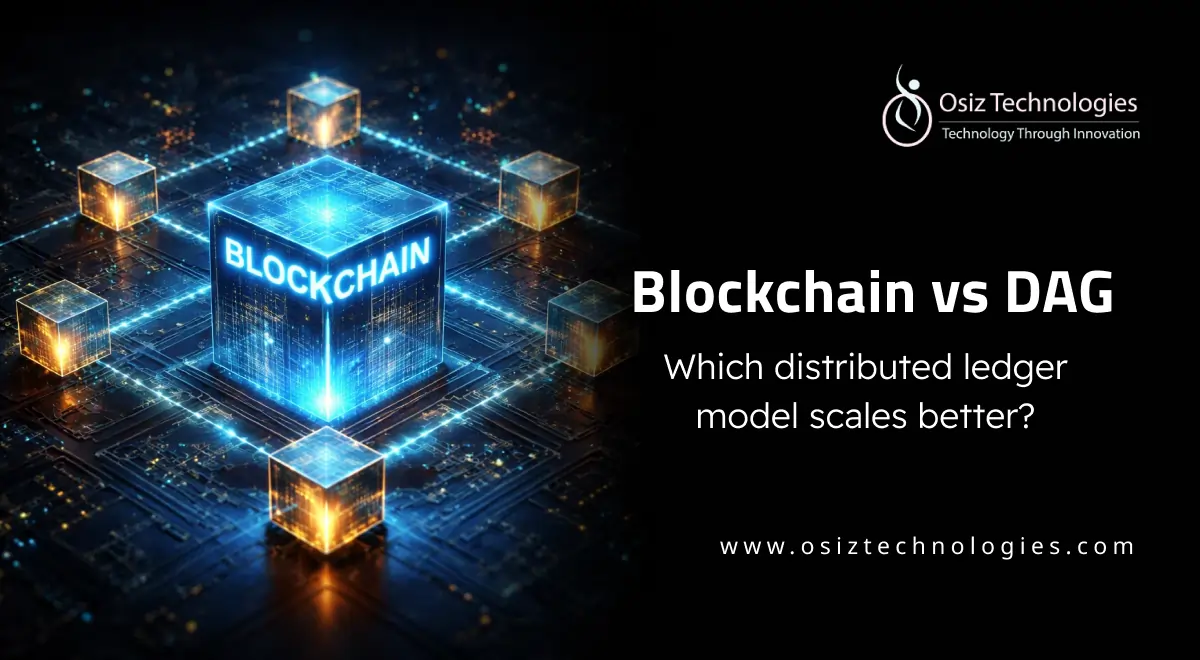
As the digital landscape evolves, two prominent technologies have emerged at the forefront of distributed ledger technology (DLT): Blockchain and Directed Acyclic Graph (DAG). While both aim to provide decentralized solutions, they operate on fundamentally different principles. This article delves into the intricacies of Blockchain and DAG, exploring their architectures, benefits, drawbacks, and real-world applications. By the end, you will have a clearer understanding of which technology might be more suited for specific use cases.
What is Blockchain?
Blockchain is a decentralized, distributed ledger technology that records transactions across multiple computers in such a way that the registered transactions cannot be altered retroactively. Each transaction is grouped into a block and added to a chain of previous transactions, hence the name 'blockchain.' This structure ensures transparency and security, making it a popular choice for various applications, including cryptocurrencies, supply chain management, and more.
How Blockchain Works?
In a blockchain network, transactions are verified by participants known as miners. These miners solve complex mathematical problems to validate transactions and add them to the blockchain. Once a block is added, it becomes part of the permanent ledger, and altering any block would require immense computational power, making it nearly impossible.
What is Directed Acyclic Graph (DAG)?
Directed Acyclic Graph (DAG) is a more recent innovation in the realm of distributed ledger technology. Unlike blockchain, which organizes data in a linear chain, DAG organizes data in a graph structure. Each transaction is a node that can reference multiple previous transactions, creating a web-like structure. This allows for greater scalability and faster transaction speeds.
How DAG Works?
In a DAG network, each transaction verifies one or more previous transactions, eliminating the need for miners. This peer-to-peer verification mechanism allows for parallel processing, significantly increasing the network's capacity and speed. As a result, DAG can handle thousands of transactions per second, making it a suitable choice for high-frequency trading and IoT applications.
Key Differences Between Blockchain and DAG
While both technologies aim to decentralize data management, their approaches differ significantly:
Structure: Blockchain uses a linear chain of blocks, while DAG employs a graph structure.
Transaction Verification: Blockchain relies on miners to validate transactions, whereas DAG allows transactions to validate each other.
Scalability: DAG offers superior scalability compared to blockchain, which can face bottlenecks as the network grows.
Advantages of Blockchain
Blockchain technology has several advantages
- Security: The decentralized nature makes it resistant to attacks.
- Transparency: All transactions are visible to participants, fostering trust.
- Established Ecosystem: Blockchain has a mature ecosystem with numerous applications and tools.
Advantages of DAG
DAG also presents unique benefits:
- Speed: Transactions are processed faster due to the lack of miners.
- Scalability: DAG can handle a large number of transactions without slowing down.
- Lower Fees: The absence of miners reduces transaction fees significantly.
Challenges Facing Blockchain
Despite its advantages, blockchain faces several challenges:
- Scalability Issues: As the number of transactions increases, the network can slow down.
- Energy Consumption: Mining requires significant energy, raising environmental concerns.
Challenges Facing DAG
While DAG offers many benefits, it is not without its challenges:
- Complexity: The technology is still relatively new, and understanding it can be difficult.
- Security Concerns: The lack of miners could lead to potential security vulnerabilities.
Real-World Applications of Blockchain
Blockchain technology has found applications in various sectors:
- Cryptocurrencies: Bitcoin and Ethereum are the most notable examples.
- Supply Chain Management: Companies use blockchain for traceability and transparency.
Real-World Applications of DAG
DAG technology is also being adopted in various domains:
- IoT: Its speed and scalability make it ideal for IoT applications.
- High-Frequency Trading: DAG can handle the rapid transactions required in trading.
Future of Blockchain and DAG
Both technologies have promising futures. Blockchain continues to evolve, with improvements in scalability and energy efficiency. Meanwhile, DAG is gaining traction in sectors requiring high-speed transactions. As industries increasingly adopt decentralized solutions, understanding the strengths and weaknesses of each technology becomes crucial.
Conclusion
In conclusion, both Blockchain and DAG bring distinct strengths to the distributed ledger landscape. Blockchain is widely recognized for its strong security, transparency, and trust-driven architecture, while DAG stands out for its high-speed processing and superior scalability. As these technologies continue to advance, businesses must evaluate their specific goals and operational demands to choose the most suitable solution. For expert guidance and tailored solutions, connect with Osiz – a leading Blockchain Development Company, at osiztechnologies.com to explore the right approach for your business.
Listen To The Article

Founder & CEO Osiz Technologies
Mr.Thangapandi, the founder and CEO of Osiz, is a pioneering figure in the field of blockchain technology. His deep understanding of both blockchain technology and user experience has led to the creation of innovative and successful blockchain solutions for businesses and startups, solidifying Osiz's reputation as a reliable service provider in the industry. Because of his unwavering quest for innovation, Mr.Thanga Pandi is well-positioned to be a thought leader and early adopter in the rapidly changing blockchain space. He keeps Osiz at the forefront of this exciting industry with his forward-thinking approach.
Recent Blogs



No 22,Astalakshmi Nagar, Thanakankullam, (Opp Seetha lakshmi Mill gate Bus stop) Thirunagar, Madurai - 625 006.
(Corporate Office)


Canada Office address, 1150, Rue Patrick, Laval, Quebec - H7Y 2C4, Canada.
(Sales Office)


Explore Our
AI Portfolio

 Artificial Intelligence
- AI Development
- AI Predictive Analytics Services
- AI SaaS Development
- RAG Development
- AI Assistant Development
- ChatGPT Development
- Data Analytics Services
- AI Copilot Development
- Adaptive AI Development
- Machine Learning Development
- NLP
- AI Consulting Services
- AI Software Builder
- AI Token Development
- AI Integration Services
- Enterprise AI Solution
- AI As a Service
- AI Marketing Tools
- AI Video Generator
- Computer Vision Services
- Explore AI
- Dataset
- Machine Learning in Healthcare
- Machine Learning in Retail
- Hire AI Engineers
- Hire Prompt Engineers
- Hire ChatGPT Developers
- Hire Stable Diffusion Developers
- Hire Action Transformer Developers
- Blockchain
- Blockchain Development
- Private Blockchain Development
- Smart Contract Development
- Custom Blockchain Development
- Solana Blockchain Development
- Polygon Blockchain Development
- Public Blockchain Development
- DAO Blockchain Development
- Binance Smart Chain (BSC) Blockchain Development
- DApp Development
- Solana DApp Development
- White Label Blockchain Solutions
- Custom Blockchain On Avalanche
- Custom Blockchain On Polygon
- Blockchain Game Development
- Blockchain Consulting Services
- Blockchain Explorer Development
- Ethereum Blockchain Development
- TRON Blockchain Development
- Prediction Market Platform Development Company
Layer 1 & 2 Solutions- Layer-1 Blockchain Development
- Cross Chain Bridge Development
- Data Availability Layer Development
- Ethereum Layer 2 Scaling Solutions
- Cross-L2 DEX Solution
- Layer 2 Token Development
- Layer 2 Token Marketing
- Layer 2 Cryptocurrency Development
- Layer 2 Solutions For Blockchain Games
- Layer 2 Solutions For Web3 Gaming
- Layer 2 Blockchain Solutions
- Rollups As A Service
- Optimistic Rollups Development
- ZK Tech Development
- Bitcoin Layer 2 Solutions
Crypto Exchange- Cryptocurrency Exchange Development
- White Label Crypto Exchange
- Decentralized Exchange Development
- P2P Exchange Development
- Crypto Derivatives Exchange Development
- Centralized Exchange Development
- Crypto Exchange Clone Script
- Cryptocurrency Exchange App Development
- OTC Exchange Development
- Exchange Listing Services
- Binance Like Exchange Development
- Bitstamp Like Exchange Development
- Crypto Exchange Script
CryptoCrypto WalletToken Standards- Token Development
- AI Token Development
- RWA Tokenization Development
- Coinremitter Clone Script
- Asset Tokenization
- Real Estate Tokenization
- Tokenization Platform Development
- Crypto ETF Development
- Solona Token Development
- Semi-Fungible Token Development
- BEP20 Token Development
- Ethereum Token Development
- ERC1400 Token Development
- ERC998 Token Development
- ERC 721 Token Development
- ERC20 Token Development
- Defi Token Development
- ERC1155 Token Development
- BEP721 Token Development
- Utility Token Development
- ERC 777 Token Development
- ERC 827 Token Development
- Social Token Development
- Metaverse Token Development
- Tron Token Development
- ERC404 Token Development
- Governance Token
- Shibarium Token
- polygon Token
- BRC-20
- TRC20 Token Development
- TRC10 Token Development
- Soulbound Token Development
- NFT Token Development
Trading BotsClone- Crypto Exchange Clone Script
- Binance Clone Script
- Metamask Clone Script
- Coinbase Clone Script
- Kucoin Clone Script
- Paxful Clone Script
- Remitano Clone Script
- Wazirx Clone Script
- ByBit Clone Script
- Bitfinex Clone Script
- MEXC Clone Script
- Bitget Clone Script
- Cointool App Clone Script
- Trust Wallet Clone App
- Coinmarketcap Clone Script
- Changelly Clone Script
- BingX Clone Script
CybersecurityApp SecurityDigital Forensics & Incident ResponseAudit & ConsultingEducation & TrainingSolutionsWeb 3DeFi- Decentralized Finance (DeFi) Development
- DeFi Lending/ Borrowing Platform Development
- DeFi Staking Platform Development
- DeFi Token Development
- DeFi Wallet Development
- DeFi Smart Contract Development
- DeFi DApp Development
- Decentralized Exchange Development
- DeFi Insurance Development
- DeFi Crypto Synthetic Assets Development
Game Development- Game Development
- Android Game Development
- IOS Game Development
- Metaverse Game Development
- VR Game Development
- AI Game Development
- Unity 3D Game Development
- Unreal Engine Game Development
- Mobile Game Development
- Blockchain Game Development
- NFT Game Development
- Play to Earn Game Development
- Move to Earn Game Development
- Casino Game Development
- Slot Game Development
- Poker Game Development
- AAA Game Development
- AR Game Development
- Social Network Game Development
- Gamification Services
- Decentralized Sports Betting Platform
- Sports Betting Dapp Development
- Blockchain Casino Game Development
- Game Asset Creation
- Baccarat Game Development
- Rollbit Clone Script
- Fortnite Clone Script
- Slot Game Development
- Tap to Earn Game Development
- Slot Game Development
Metaverse Platforms- Metaverse Game Development
- Metaverse Event Platform Development
- Metaverse Virtual Mall Development
- Metaverse NFT Marketplace Development
- Metaverse Token Development
- Metaverse Virtual Land Development
- Metaverse Avatar Development
- Metaverse 3d Space Development
- Metaverse Real Estate Development
- Metaverse Social Media Platform Development
- Top 10 Metaverse Development Company
- Metaverse Business Ideas
- Metaverse Launchpad Development
- Metaverse App Development
- Metaverse Casino Game Development
NFT SolutionsNFT Platforms- NFT Minting Development
- NFT Token Development
- NFT Exchange Platform Development
- NFT Launchpad Development
- NFT Fashion Marketplace Development
- NFT Art Marketplace Development
- NFT Music Marketplace Development
- Carbon Credits NFT Marketplace Development
- Binance NFT Marketplace Development
- Polygon NFT Marketplace Development
- Solana NFT Marketplace Development
- Influencers NFT Marketplace Development
- NFT Ticketing Marketplace Development
- DeFi NFT Marketplace Development
- NFT Fantasy Sports Platform Development
- NFT Storage Development
- NFT Lending Platform Development
- Top10 NFT Business Ideas
NFT Game ClonesSustainabilityServiceNow - Blog
- Contact Us
- Works